
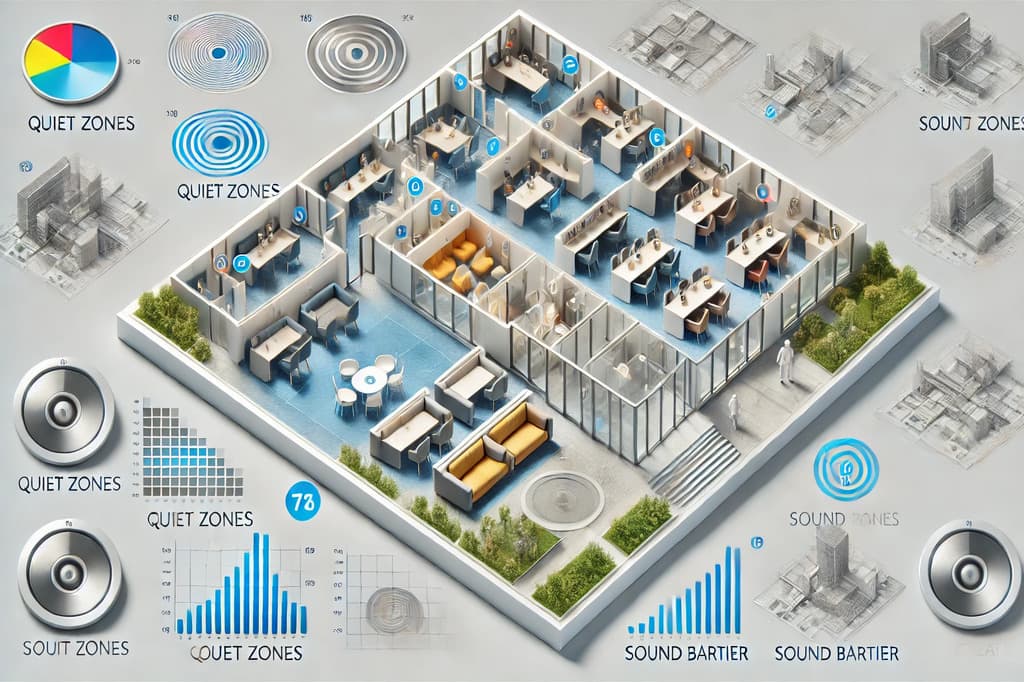
Acoustics in building design: sound absorption, insulation & noise control to improve comfort and productivity in residential & offices.
Acoustics are a critical aspect of modern architecture. It determines how sound behaves within spaces, impacting comfort, productivity, and functionality. Buildings with poor acoustic design can lead to noise disturbances, communication issues, and even health problems. Addressing these challenges begins with understanding how sound interacts with materials, surfaces, and structures.
The Basics of Acoustics

Sound travels in waves, bouncing off surfaces, or being absorbed by materials. The behavior of these waves influences the sound quality in a room. Soft materials like carpets and curtains absorb sound, reducing echoes. Hard surfaces, such as glass and concrete, reflect sound, creating reverberation.
Acoustic design aims to manage these interactions. The goal is to create spaces where sound is clear and free of unwanted noise. Architects and engineers consider factors such as reverberation time, sound insulation, and noise control when planning buildings.
Importance of Acoustic Design
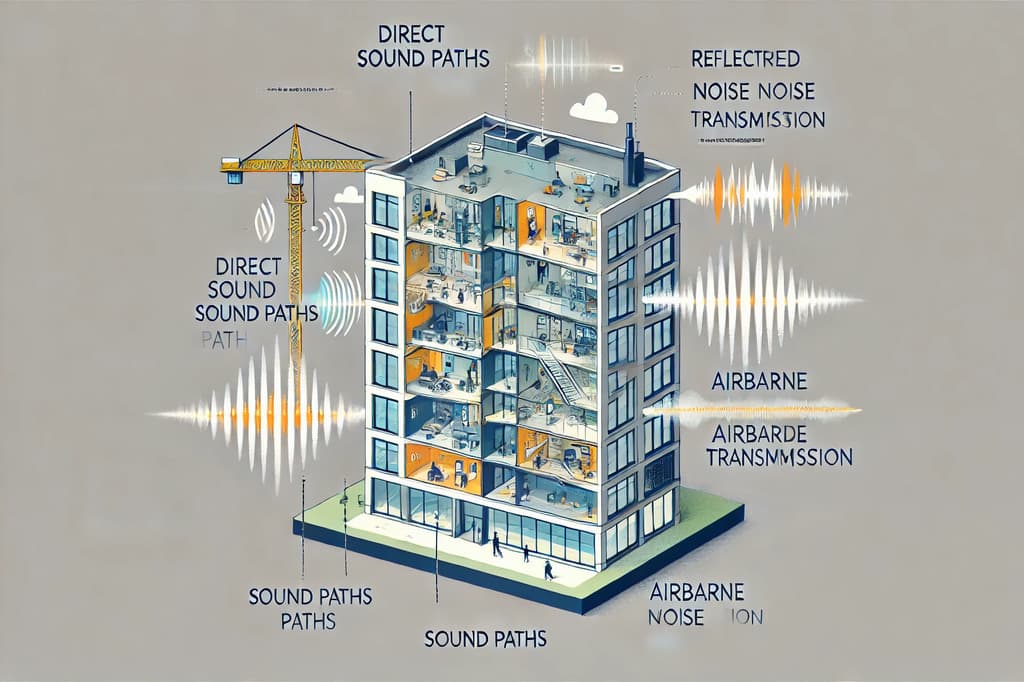
The role of acoustics extends beyond soundproofing. It impacts how people experience spaces. A well-designed conference room allows clear communication. A theater delivers immersive audio experiences. Homes with good acoustics feel quieter and more peaceful.
Ignoring acoustics can lead to problems. Echoes in classrooms affect learning. Excessive noise in hospitals disrupts healing. Poor sound control in offices reduces productivity. For these reasons, acoustic considerations should be part of every building design.
Types of Acoustic Design Solutions
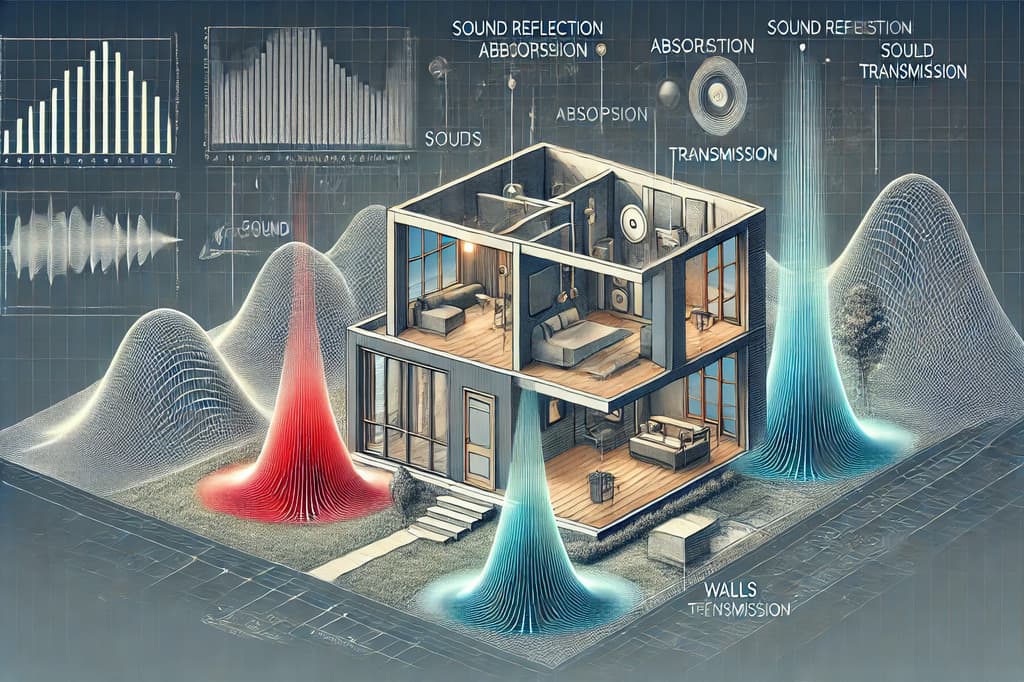
Different strategies address varying acoustic needs. The choice depends on the type of building and its intended use. Below are common methods for improving acoustics:
1. Sound Absorption
Materials that absorb sound are used to minimize echoes. Acoustic panels, ceiling tiles, and fabric surfaces are popular options. These solutions are often found in offices, theaters, and classrooms.
2. Sound Insulation
Preventing noise from traveling between rooms requires insulation. Dense materials like concrete, gypsum, or specialized soundproofing layers are used. Insulated walls, floors, and ceilings help create quieter spaces.
3. Noise Reduction
Controlling external noise is essential in urban areas. Double-glazed windows, acoustic doors, and sealing gaps in structures block unwanted sounds. These measures are common in homes near busy streets.
4. Diffusion
Diffusers scatter sound waves, creating a balanced audio experience. This technique is ideal for spaces like auditoriums and concert halls. It ensures that sound reaches every corner evenly.
Key Factors in Acoustic Design

Successful acoustic planning considers several elements. Below are the most important factors:
Room Size and Shape
The dimensions and geometry of a space influence sound behavior. Large rooms often require additional sound absorption. Irregular shapes can help reduce echoes compared to square or rectangular designs.
Material Choices
Every material affects acoustics differently. Hard surfaces reflect sound, while soft materials absorb it. Choosing the right mix of materials ensures balanced sound control.
Building Location
External noise sources like traffic or construction can impact interior acoustics. Designers often analyze site-specific conditions to implement noise reduction strategies.
Usage of the Space
The purpose of a building determines its acoustic needs. A music studio requires precise sound isolation. Restaurants benefit from reduced background noise for conversations. Understanding these requirements helps guide design decisions.
Common Applications of Acoustic Design
Different types of buildings benefit from acoustic solutions. Below are examples of how acoustics enhance various spaces:
Homes
Residential spaces prioritize comfort and privacy. Acoustic solutions reduce noise from neighbors, traffic, and appliances. Insulated walls and soundproof windows are common choices.
Offices
Workplaces benefit from reduced distractions. Open-plan offices use acoustic panels and dividers to manage noise levels. Meeting rooms often include soundproofing for confidentiality.
Education
Classrooms need clear acoustics for effective learning. Reducing echoes and external noise helps students focus. Acoustic ceilings and wall panels are widely used in schools and universities.
Healthcare
Hospitals require quiet environments for recovery. Acoustic measures minimize disruptions from machinery, alarms, and foot traffic. Soundproofing patient rooms is a key focus.
Entertainment Venues
Theaters and concert halls prioritize sound clarity and distribution. Acoustic designs ensure audiences experience high-quality audio. Materials like wooden panels and fabric walls are popular in these settings.
Hospitality
Hotels and restaurants focus on creating pleasant atmospheres. Acoustic treatments prevent noise from traveling between rooms or overpowering conversations. Background music systems are often integrated into designs.
Acoustic Design Trends

Innovative solutions continue to emerge in the field of acoustics. Architects and designers now explore advanced materials and technologies to achieve better results.
Sustainable Materials
Eco-friendly options are gaining popularity. Cork, wool, and recycled fabrics are used for sound absorption. These materials align with the growing focus on sustainable construction.
Integrated Acoustic Systems
Technology plays a growing role in acoustic management. Smart sound systems and automated controls adjust audio settings for different scenarios. These systems are ideal for multipurpose spaces.
Invisible Solutions
Modern designs emphasize aesthetics alongside function. Acoustic treatments are now hidden within walls, ceilings, and furniture. This approach maintains visual appeal while improving sound quality.
Challenges in Acoustic Design
Achieving optimal acoustics is not always straightforward. Several challenges must be addressed during the design process:
Balancing Aesthetics and Acoustics
Some acoustic solutions may clash with visual design goals. Finding materials and methods that complement aesthetics requires creativity.
Budget Constraints
Acoustic treatments can increase construction costs. Prioritizing key areas helps manage budgets without compromising quality.
Retrofitting Existing Buildings
Upgrading acoustics in older structures often requires significant modifications. Engineers must work around existing limitations to implement solutions effectively.
Compliance with Regulations
Building codes and standards often include acoustic requirements. Designers must ensure compliance while meeting client expectations.
Final Thoughts
Good acoustics improve the way people interact with spaces. Whether designing homes, offices, or public buildings, sound control should never be an afterthought. Investing in the right solutions enhances comfort, productivity, and well-being.
Explore Related Topics
Acoustic design integrates best in design-build. See how integrated delivery improves technical coordination.
Commercial spaces have unique acoustic needs. Explore workspace design that balances collaboration and focus.
Work With Capital Associated Building Contracting LLC
Professional fit-out contractors UAE understand acoustic requirements and how to achieve them within budget. Our technical construction works UAE include sophisticated sound isolation and acoustic treatment systems.
Solve acoustic challenges in your building design.
FAQ
1. What is architectural acoustics?
Architectural acoustics focuses on controlling how sound behaves within a building to improve clarity, comfort, and noise management.
2. Why is acoustic design important in offices?
It reduces distractions, improves speech privacy, and supports productivity in shared workspaces.
3. How can external noise be minimized?
Double glazed windows, insulated walls, and sealed openings help reduce outside noise intrusion.
4. What materials improve sound absorption?
Acoustic panels, fabric surfaces, cork, wool, and specialized ceiling tiles are commonly used.
5. Can acoustics be improved in existing buildings?
Yes. Retrofitting with panels, insulation, and diffusers can significantly enhance sound performance.