
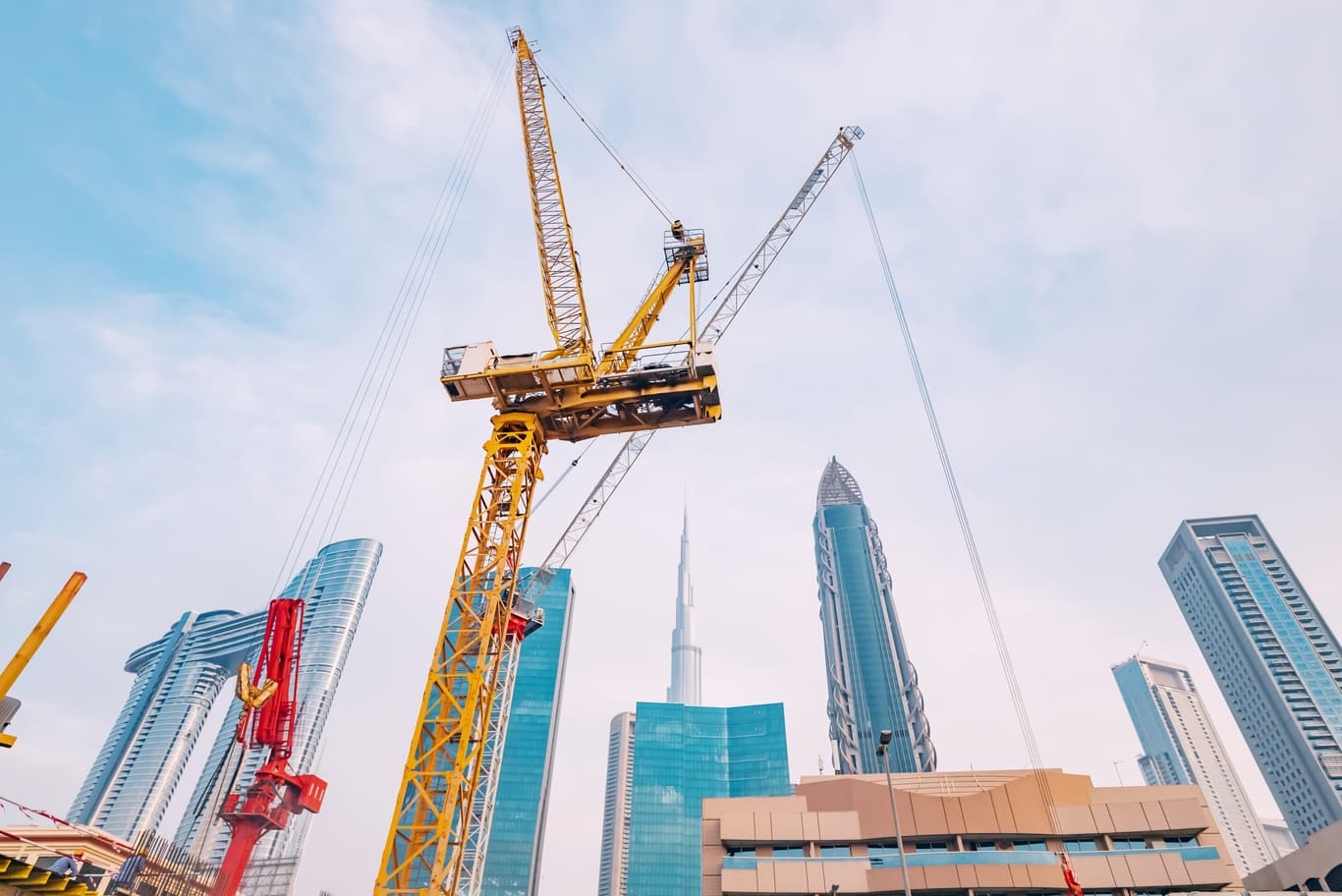
Dubai building permits decoded — zoning, approvals, inspections, and everything contractors need to break ground legally in 2026.
Every construction project in Dubai begins long before the first concrete pour. It begins with paperwork — and getting that paperwork wrong can stall your timeline by months, inflate your budget, and in some cases, halt work entirely.
Dubai's building permit system is one of the most structured in the Gulf region. The framework protects developers, residents, and the built environment alike. But for contractors and project owners navigating it for the first time, the process can feel like a maze of authorities, codes, and approval stages.
This guide breaks it all down. Whether you are planning a villa extension, a commercial tower, or a hospitality fit-out, here is what you need to know about obtaining building permits and staying compliant in Dubai.
Who Issues Building Permits in Dubai?
One of the first things that trips up newcomers to the Dubai construction market is that there is no single authority issuing all permits. The regulatory body you deal with depends on where your project is located.
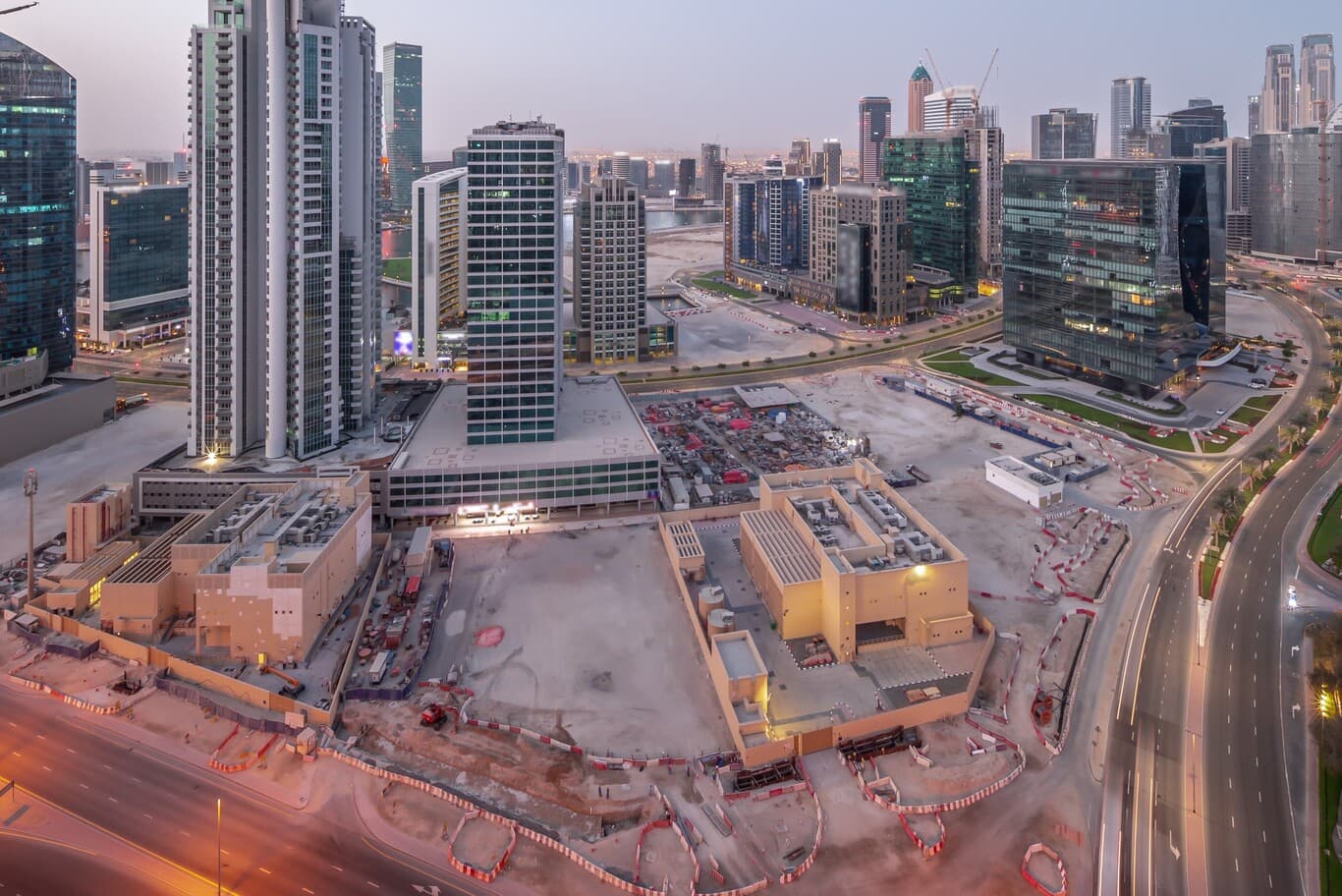
Dubai Municipality (DM) handles the majority of mainland Dubai. If your project sits in areas like Jumeirah, Al Barsha, Deira, or Business Bay, DM is your primary point of contact. They oversee everything from initial planning approval to the final completion certificate.
TRAKHEES, a regulatory arm of the Ports, Customs and Free Zone Corporation, governs developments in Jebel Ali, Palm Jumeirah, Dubai World Central, and other free zone areas. Their process mirrors DM's in many ways, but there are differences in documentation, fee structures, and inspection protocols that catch teams off guard if they have only worked on mainland projects.
Nakheel and other master developers also maintain their own approval layers for communities they manage. A project on Palm Jumeirah, for example, may require TRAKHEES permits and Nakheel design approvals simultaneously.
Understanding this jurisdictional split early is essential. A reliable contracting company in Dubai will know which authority applies to your plot and can navigate the submission process without unnecessary back-and-forth.
The Permit Application Process: Step by Step
While each authority has its own portal and timelines, the overall permit process in Dubai follows a recognisable structure.
Step 1 — NOC Collection. Before you submit a permit application, you need No Objection Certificates from relevant service authorities. These typically include DEWA (electricity and water), Etisalat or du (telecommunications), Dubai Civil Defence (fire and life safety), and the Roads and Transport Authority (for projects near public roads). Depending on the project, you may also need environmental or aviation NOCs. Each NOC confirms that your proposed design does not conflict with existing infrastructure or safety requirements.
Step 2 — Design Submission. Architectural, structural, mechanical, electrical, and plumbing drawings are submitted to the relevant authority through their online platform. Dubai Municipality uses the ePlan system, while TRAKHEES has its own portal. Drawings must comply with the UAE Fire and Life Safety Code, local zoning regulations, and accessibility standards.
Step 3 — Review and Revisions. Authorities review submissions and issue comments. It is rare for a submission to pass without at least one round of revisions. Common sticking points include plot boundary setbacks, parking ratios, fire escape distances, and facade material compliance. Projects that invest in thorough pre-construction planning tend to experience far fewer revision cycles at this stage, because potential issues get resolved before drawings are finalised.
Step 4 — Permit Issuance. Once all comments are cleared and fees are paid, the building permit is issued. This authorises construction to begin, subject to conditions listed in the permit. Work cannot legally commence before this document is in hand.
Step 5 — Construction Inspections. During construction, authorities conduct periodic inspections at predefined milestones — foundation, structural frame, waterproofing, and MEP rough-in are the common checkpoints. Failing an inspection means rectifying the issue and rebooking, which directly impacts project timelines.
Step 6 — Completion Certificate. After construction wraps up, a final inspection leads to the issuance of a completion certificate (sometimes called a building completion certificate or BCC). This document is required before the property can be connected to utilities permanently or occupied.
Key Regulations Contractors Must Understand
Beyond the permit process itself, several regulatory areas catch contractors off guard.
Zoning and land use. Every plot in Dubai has a designated use — residential, commercial, mixed-use, industrial. Building outside your permitted use triggers permit rejection. Zoning also dictates maximum building height, floor area ratio (FAR), and plot coverage. These numbers are non-negotiable and must be reflected in your design from day one.
Green building requirements. Dubai introduced Al Safat, its green building evaluation system, to rate buildings on energy efficiency, water conservation, materials, and indoor environmental quality. Certain project types are required to meet minimum Al Safat ratings. Ignoring these requirements means your design will not pass review. Projects that factor sustainability into their planning from the outset — rather than treating it as a bolt-on — consistently move through approvals faster. There is growing evidence that sustainable design is becoming a sound long-term investment for commercial and residential builds alike.
Civil Defence compliance. Fire and life safety requirements in Dubai are stringent and enforced. They cover fire-rated construction materials, sprinkler systems, smoke extraction, emergency lighting, fire alarm systems, and evacuation routes. Civil Defence sign-off is needed before your building permit is issued and again before the completion certificate. Non-compliance here is one of the most common reasons for permit delays.
Accessibility standards. Dubai has been steadily strengthening its accessibility requirements. Buildings must provide ramps, lifts, accessible washrooms, and parking for people of determination, following the UAE's national building code. These are reviewed during the design stage, and non-compliant submissions are returned.
Common Reasons Permits Get Delayed
Experienced contractors in Dubai will tell you that most delays are preventable. Here are the patterns they see repeatedly.
Incomplete documentation. Submitting without all required NOCs or with outdated title deed information is the most frequent cause of rejection. A single missing clearance sends the entire application back to square one.
Design non-compliance. Submitting drawings that exceed plot coverage limits, violate setback distances, or ignore parking minimums creates revision loops. Each round can add two to four weeks to the timeline.
Consultant coordination failures. In Dubai's construction ecosystem, the design consultant, the contractor, and the project manager must be tightly aligned. When the MEP consultant designs a system that conflicts with the structural engineer's layout, the authority reviewer catches it — and everyone loses time. Teams that prioritise strong project management from the outset reduce these clashes dramatically.
Choosing the wrong contractor. Not every contractor is equally fluent in Dubai's regulatory landscape. Firms that regularly work across DM and TRAKHEES jurisdictions develop institutional knowledge — they know which reviewers flag which issues, which NOCs take longest, and how to sequence submissions for the fastest turnaround. Doing your homework on how to evaluate and select the right firm for your project type is one of the most consequential decisions you will make.
Free Zone vs. Mainland: What Changes?
Projects in free zone areas face some differences that are worth highlighting.
TRAKHEES-governed areas often have their own design guidelines on top of the UAE building code. Palm Jumeirah villas, for instance, must comply with master developer aesthetic requirements that go beyond what DM would review on a mainland plot. JLT towers follow DMCC guidelines. JAFZA warehouses answer to JAFZA's own safety and structural standards.
The inspection process also varies. Some free zone authorities are more prescriptive about which testing laboratories and third-party inspectors you can use. If your contractor has limited experience in these zones, expect learning-curve delays.
For commercial projects in emerging free zone areas, understanding these nuances early in the planning phase prevents costly redesigns mid-project.

How Value Engineering Interacts with Permits
A lesser-discussed reality is that value engineering decisions made during design can trigger permit complications. Swapping a facade material to save cost, for example, might move the building out of compliance with Civil Defence fire-rating requirements. Reducing a slab thickness could violate structural code minimums.
The best practice is to run any value engineering proposals through a compliance check before finalising them. Teams that understand how value engineering works within regulatory constraints make smarter trade-offs — ones that save money without creating downstream permit issues.
What Happens If You Build Without a Permit?
It is worth stating plainly: building without a valid permit in Dubai carries serious consequences. Authorities can issue stop-work orders, impose fines, require demolition of non-compliant work, and blacklist the responsible contractor. These penalties are not theoretical — they are enforced.
Even minor alterations to an approved design require a modification permit. Adding a mezzanine, changing a room layout, or altering the facade from what was approved can all trigger violations during inspection. The cost of a modification permit is always less than the cost of a stop-work order.
Final Thoughts
Dubai's building permit process is thorough by design. It exists to ensure that every structure in the emirate meets safety, quality, and environmental standards — and that is ultimately a good thing for everyone involved. The contractors and developers who succeed here are the ones who treat regulatory compliance as a core competency, not an afterthought.
If you are planning a project in Dubai and want to make sure your permit process runs smoothly from the start, working with a team that has deep experience managing complex builds across multiple jurisdictions makes all the difference.
Ready to start your next project on the right foot? Book a free consultation with Capital Associated Building Contracting LLC.