
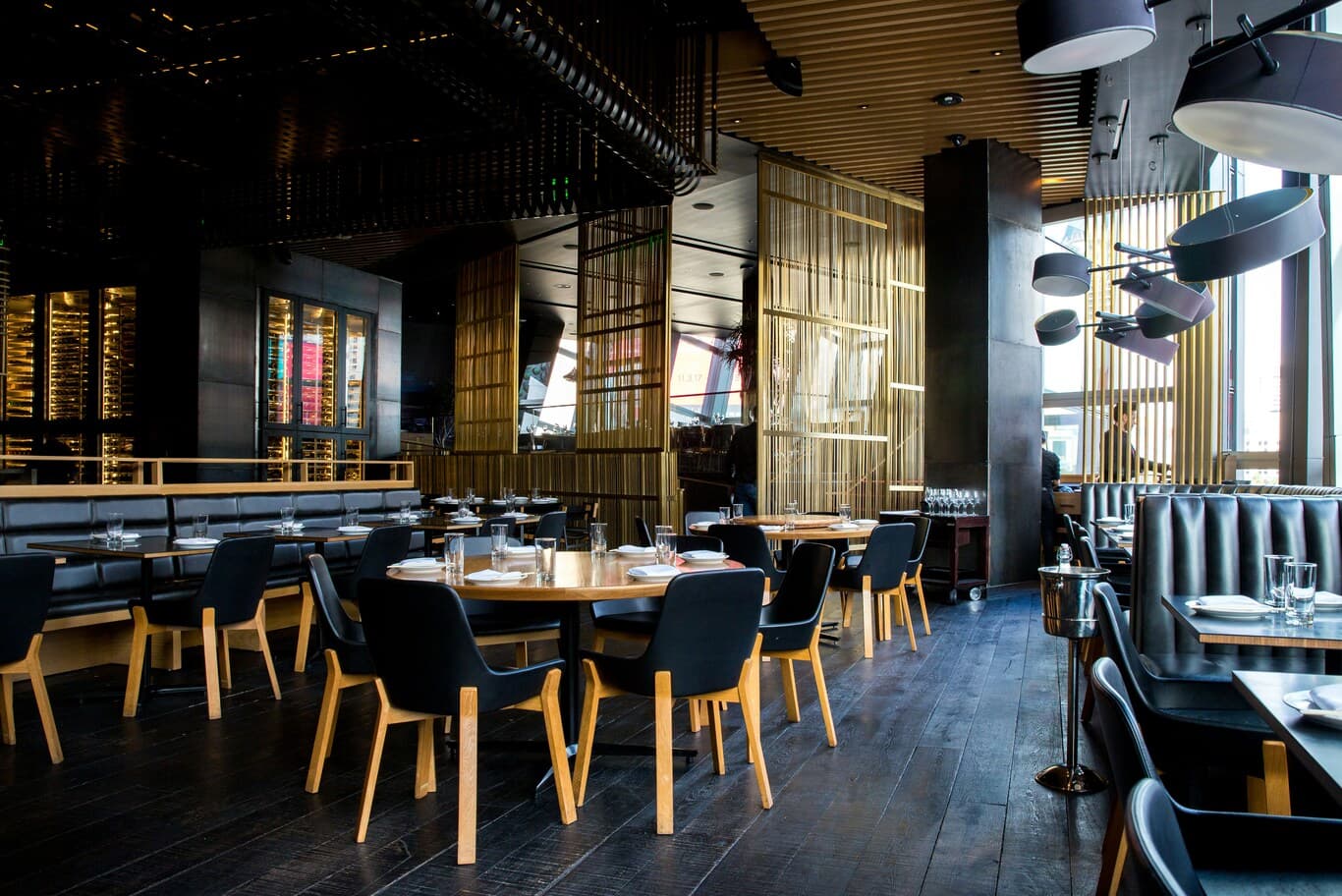
A practical guide to restaurant fit-out in Dubai covering concept, permits, MEP, costs, and construction through to opening day.
The UAE’s food service market is projected to grow at roughly 9.7 percent annually through 2035, and Dubai sits at the centre of that growth. With over 13,000 restaurants and cafes already serving a population of 3.8 million, the bar for new openings has never been higher. Standing out requires more than a strong menu. It demands a space that is purpose-built for your concept, compliant with local authority requirements, and constructed to a standard that can handle the operational intensity of commercial food service from day one.
A restaurant fit-out in Dubai involves a sequence of interconnected decisions — from trade licensing and kitchen layout approvals through to MEP engineering and final Civil Defence sign-off. Each step carries regulatory requirements, cost implications, and scheduling dependencies that, if mishandled, can delay your opening by weeks or cost tens of thousands of dirhams in rework. This guide walks through every phase so you can plan the process with clarity and confidence. For a broader view of how hospitality construction programmes are structured from a developer’s perspective, our guide to reducing time-to-market in hotel and hospitality builds covers the strategic framework that applies equally to F&B projects.
Start With a Clear Concept and Feasibility Assessment
Before you sign a lease or brief a designer, your concept needs to be defined in enough detail to drive every decision that follows. This means more than choosing a cuisine. You need to establish your target covers per service, your average ticket size, your peak throughput requirements, and the kitchen equipment those targets demand. A 60-seat casual dining concept with a charcoal grill menu needs a fundamentally different kitchen infrastructure than a 30-seat fine dining venue with a cold preparation focus.
Location feasibility goes beyond footfall counts. In Dubai, the unit’s position within a building or development determines whether you can connect into a shared exhaust riser or need a standalone rooftop system, whether your grease trap drainage has gravity fall or needs a pump, and whether the landlord’s tenant coordination office controls your construction access hours. These are engineering realities that shape both cost and programme from the outset.
When we delivered a 2,500 sq ft restaurant build at City Walk for a growing F&B brand, the Meraas tenant coordination guidelines dictated strict controls on contractor access, delivery scheduling, and hoarding standards. Every noisy trade had to be scheduled through the developer’s management office. Understanding those constraints before signing the lease allowed the client to build a realistic programme rather than discovering bottlenecks after mobilisation. You can see how that project came together here.
Licensing, Permits, and Regulatory Approvals
Dubai’s restaurant licensing process involves multiple authorities, and the sequence matters. You start with trade name reservation and initial approval from the Department of Economy and Tourism (DET). You then register your tenancy contract through Ejari before moving to the Dubai Municipality’s Food Safety Department for your food permit. Each step has prerequisites — you cannot apply for the food safety licence without a registered lease, and you cannot pass the food safety inspection without a compliant kitchen build.
Your kitchen layout drawings must be submitted to Dubai Municipality for approval before construction begins. These drawings need to show separate zones for cooking, cold preparation, washing, and storage, along with ventilation plans, grease trap locations, and pest control provisions. Civil Defence approval covers fire safety — including the kitchen suppression system, fire-rated ductwork penetrations, and emergency exits. In managed retail destinations, the developer’s own approval layer sits on top of the municipal requirements.
A trade licence for a mainland restaurant in Dubai typically costs between AED 10,000 and AED 50,000, depending on size and jurisdiction. Our detailed breakdown of building permits and regulatory requirements covers the full approval landscape across project types, including the authority having jurisdiction in different zones.
Kitchen Design and MEP Engineering
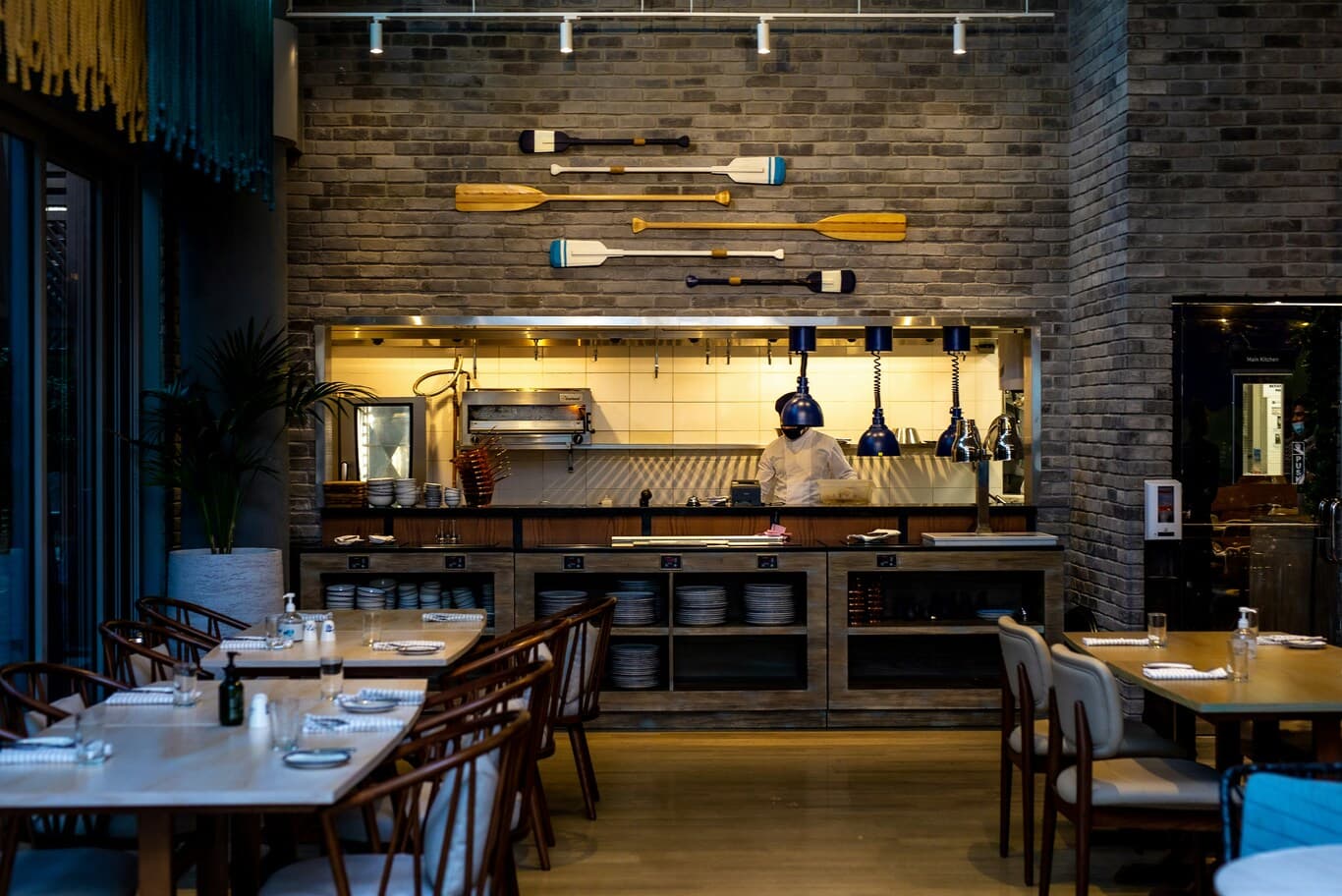
The kitchen is the most technically demanding element of any restaurant fit-out. In a commercial food service environment, the MEP systems — mechanical ventilation, electrical distribution, plumbing, gas supply, and drainage — must be designed around the specific equipment list and menu requirements before any construction starts. Getting the drainage wrong means tearing up finished floors to fix grease trap falls. Getting the ventilation wrong means cooking smells reach the dining area, or worse, neighbouring tenants.
A standard commercial kitchen requires a dedicated fresh air supply and a grease-rated exhaust system. In a mall or managed retail environment, the exhaust typically connects into the building’s main riser through fire-dampered duct runs. In a standalone unit, you may need a rooftop exhaust fan with external ductwork that must be insulated, fire-rated at the roof penetration, and positioned so the discharge does not affect adjacent units. Dubai Municipality and Civil Defence both inspect these systems before the kitchen can be commissioned.
We faced exactly this distinction across two restaurant projects we delivered for the same brand in 2024. The standalone unit in Al Khawaneej required a complete independent exhaust system with external ductwork running up the rear facade, while the managed retail unit connected into a shared building riser. Both met the same compliance standards, but the standalone build carried more MEP scope and required independent signage approvals through Dubai Municipality. The Al Khawaneej project details illustrate how the shell-to-finish conversion worked in practice across 2,800 sq ft.
Gas supply, electrical load calculations, cold room construction, and floor drainage all need to be sequenced correctly. Kitchen equipment typically has the longest procurement lead time in a restaurant project, so orders should be placed as early as demolition begins. The hood and ductwork must go in before the ceiling, the cold room panels before the wall finishes, and the drainage before the screed. Any sequencing error means dismantling completed work.
Interior Design and Dining Area Fit-Out
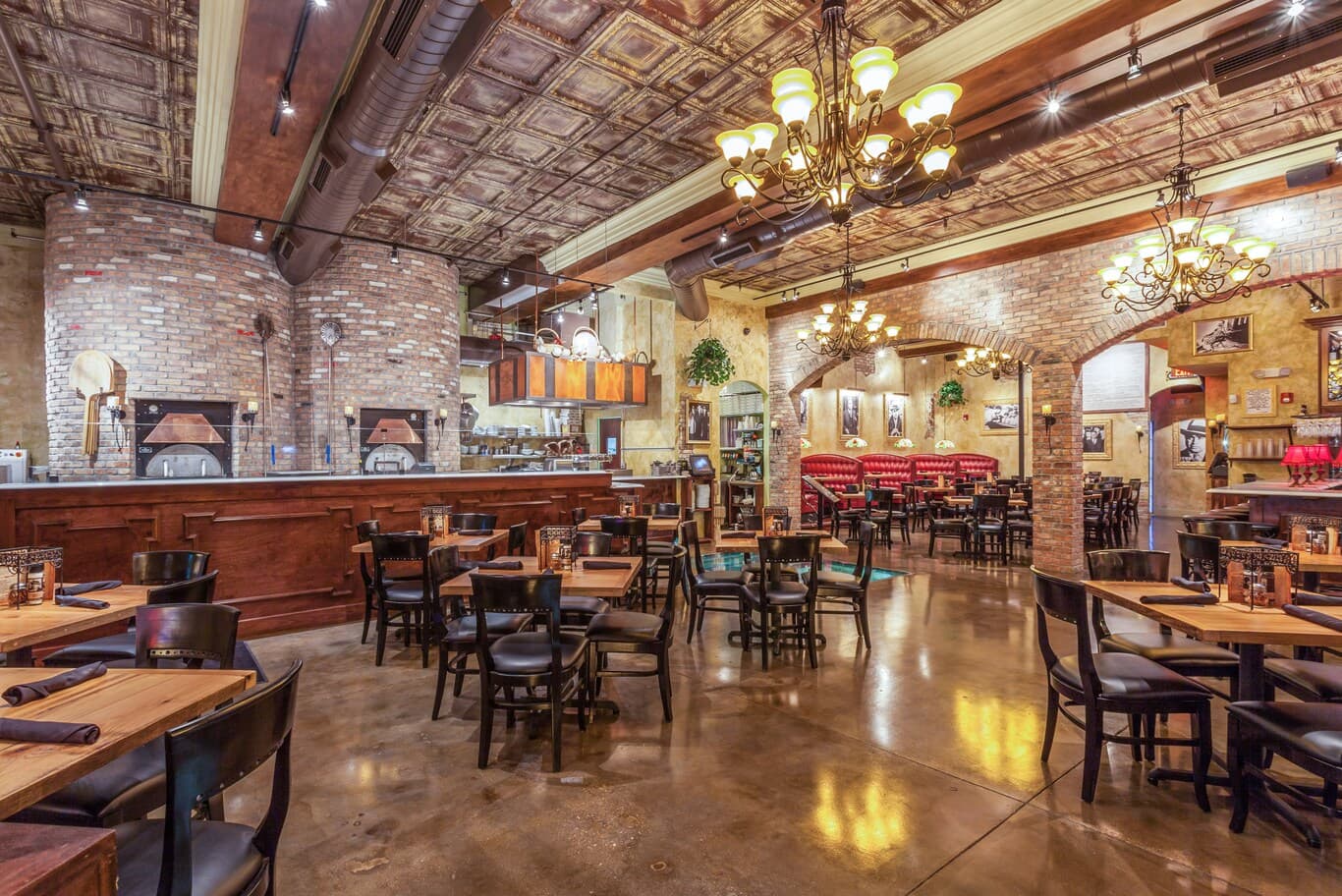
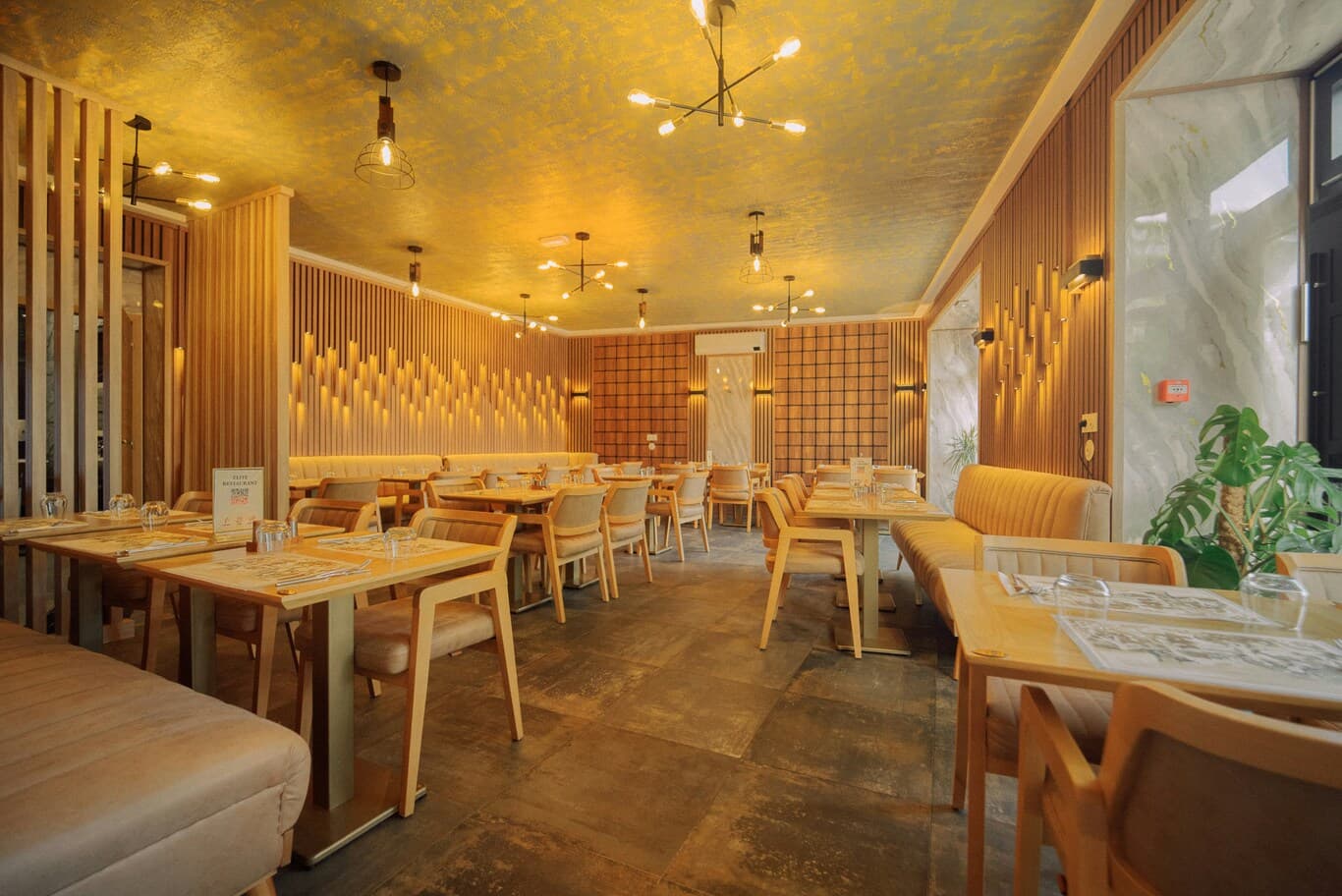
The dining area is where your brand identity becomes physical space. Material selections, lighting design, furniture specifications, and spatial planning all contribute to the guest experience and need to reflect both your concept and the operational demands of a commercial restaurant. Flooring must be rated for heavy foot traffic and easy to clean. Wall finishes need to withstand the humidity and temperature differentials that come with proximity to a working kitchen. Seating layouts must comply with Civil Defence egress requirements while maximising covers.
Acoustics are an underestimated element of restaurant design. Hard surfaces — tile floors, exposed ceilings, glass facades — amplify noise, which can push guests out faster and damage online reviews. Acoustic panels, soft furnishings, and strategic ceiling treatments help control ambient noise levels without compromising the design language. Lighting similarly needs to shift through the day, supporting a bright lunch service and a more intimate dinner atmosphere.
For a comprehensive understanding of how fit-out budgets work across commercial spaces, including the distinction between Category A and Category B scopes, our budgeting guide covers the full process. Restaurant projects sit at the higher end of commercial fit-out complexity because they combine hospitality-grade finishes with heavy MEP infrastructure.
When we built a 3,200 sq ft beachfront restaurant at JBR, the coastal location added environmental challenges that shaped every material decision. Salt air accelerates corrosion on exposed metal, so all external ductwork fittings were specified in marine-grade stainless steel, and condensing units were rated for coastal environments. The design also included a bi-fold glazing system that opened the full frontage onto The Walk, with an outdoor timber deck terrace that extended the dining capacity during the cooler months. You can review the beachfront build in detail here.
Cost Planning and Budget Structure
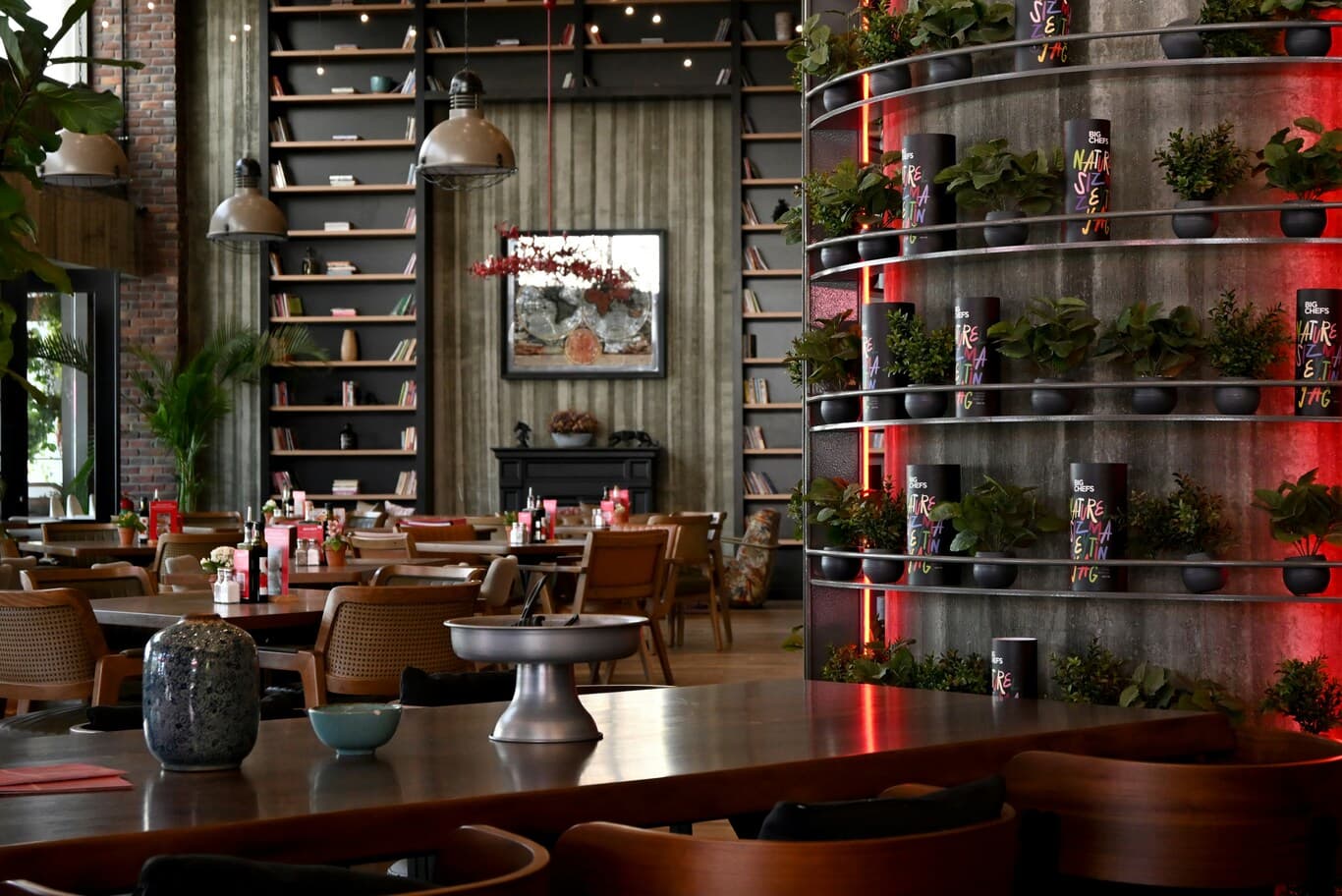
Restaurant fit-out costs in Dubai vary significantly based on concept, location, and specification level. As a general benchmark, standard restaurant fit-outs range from AED 700 to AED 1,200 per square foot, while premium and themed concepts with imported materials, bespoke joinery, and high-spec kitchen equipment can exceed AED 2,000 per square foot. A recent benchmark report by Compass Project Consulting placed premium F&B fit-out costs in Dubai between AED 10,500 and AED 15,500 per square metre, reflecting the rising expectations around design quality and MEP integration in hospitality projects.
Your budget needs to account for more than the construction contract. Trade licensing and food safety permits, Ejari registration, DEWA deposits, furniture, fixtures, and equipment (FF&E), technology systems (POS, kitchen display, reservation platforms), pre-opening marketing, and working capital for the first three months of operation all sit outside the fit-out cost but must be funded before you open the doors.
Location also plays a significant role in total project cost. Units in premium destinations like DIFC, City Walk, and JBR carry higher fit-out costs due to stricter landlord design codes, complex logistics in dense developments, and premium material expectations. Our commercial fit-out cost guide for 2026 breaks down pricing by district and category with current market data.
For a broader view of what drives construction pricing in the current market — including material costs, labour rates, and regulatory compliance overheads — our analysis of construction cost benchmarks in Dubai for 2026 will cover the full picture across project types. Understanding these market-level trends helps you negotiate contractor pricing from a position of knowledge rather than assumption.
Construction Programme and Timeline Management
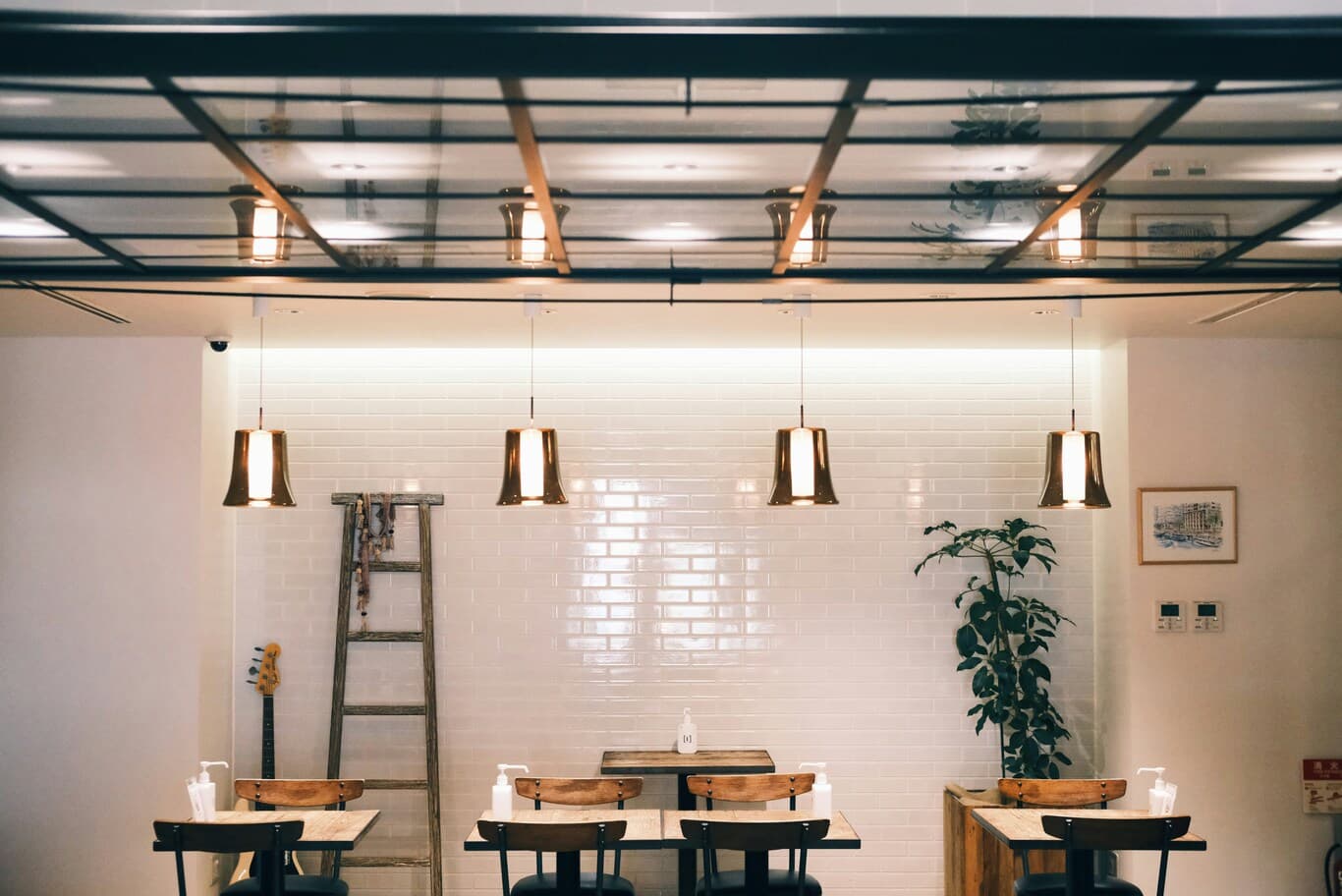
A typical restaurant fit-out in Dubai runs between 8 and 16 weeks depending on the scope, the unit’s starting condition (shell-and-core versus previous tenant strip-out), and the complexity of the landlord’s approval process. The critical path almost always runs through the kitchen — equipment procurement lead times of 6 to 10 weeks anchor the programme, and MEP rough-in must be complete before finishes begin.
Sequencing discipline separates projects that open on time from those that overrun. In our experience delivering multiple restaurant projects across different Dubai locations, the pattern is consistent: demolition and enabling works come first, then MEP first-fix (drainage, ductwork, electrical containment), followed by partitions and screeding, then second-fix MEP (equipment installation, final connections), then finishes, furniture installation, and snagging. Inspections by Dubai Municipality, Civil Defence, and the landlord’s tenant coordination team are staged throughout this sequence, not saved for the end.
Every week of construction delay is a week of rent without revenue. That pressure makes programme management the single most consequential discipline in a restaurant project. Procurement decisions made in week one — when to order kitchen equipment, when to submit material submittals, when to schedule authority inspections — determine whether you open on schedule or absorb weeks of dead rent.
Choosing the Right Fit-Out Partner
Restaurant projects demand a contractor who understands hospitality construction, not just general commercial fit-out. The MEP complexity, the authority approval sequence, the coordination with kitchen equipment suppliers, and the speed requirements all differ from a standard office or retail build. Look for a contractor with documented experience across multiple F&B projects, particularly in Dubai’s managed retail destinations where developer guidelines add a layer of coordination that general contractors often underestimate.
The value of working with a team that has built your type of project before shows up in procurement efficiency, faster shop drawing turnarounds, established supplier relationships, and fewer surprises on site. When we delivered three branches of the same restaurant brand across City Walk, Al Khawaneej, and JBR within the same year, the material specifications, kitchen equipment suppliers, and trade relationships carried forward from one project to the next. That continuity reduced lead times and gave the client consistent build quality across all three locations.
A capable fit-out partner manages the full process under one roof — from initial space planning and budgeting through procurement, construction, authority approvals, and handover. This end-to-end approach to hospitality and commercial construction eliminates the coordination gaps that occur when design, construction, and project management are split across separate firms.
Frequently Asked Questions
How long does a restaurant fit-out take in Dubai?
Most restaurant fit-outs run between 8 and 16 weeks from mobilisation to handover. The timeline depends on the unit’s starting condition, the complexity of the kitchen infrastructure, and the speed of authority approvals. Projects in managed retail destinations like City Walk or JBR may take longer due to developer coordination requirements.
What does a restaurant fit-out cost in Dubai?
Standard restaurant fit-outs range from AED 700 to AED 1,200 per square foot, and premium concepts can exceed AED 2,000 per square foot. A 2,000 sq ft mid-range restaurant typically costs between AED 1.4 million and AED 2.4 million for the construction scope alone, before FF&E, licensing, and pre-opening costs.
What permits do I need to open a restaurant in Dubai?
You need a commercial trade licence from the Department of Economy and Tourism (DET), a food safety licence from Dubai Municipality, Ejari registration for your lease, Civil Defence approval for fire safety systems, and landlord or developer approval if the unit sits within a managed destination. Kitchen layout drawings must be approved before construction begins.
Do I need separate approvals for the kitchen exhaust system?
Yes. The grease exhaust system requires approval from both Dubai Municipality (for environmental compliance) and Civil Defence (for fire safety at duct penetrations). In managed retail buildings, the developer’s tenant coordination office may also need to approve the connection into the shared building riser.
Can I phase the fit-out to open faster?
Phased openings are possible but require careful planning. The kitchen and back-of-house must be fully commissioned and approved before any food service begins. Some operators open with partial seating while finishing secondary dining areas, but all life-safety systems and authority inspections must be complete before any guests enter the space.
What is the biggest risk in a restaurant fit-out?
Sequencing errors in the kitchen build. If drainage, ductwork, or equipment installation happens out of order, finished work must be demolished and rebuilt. The second most common risk is late procurement of kitchen equipment, which anchors the entire programme timeline.
Plan Your Restaurant Fit-Out With Confidence
Opening a restaurant in Dubai is a significant investment, and the fit-out phase determines whether that investment delivers a space that works operationally, complies with every authority requirement, and opens on schedule. Whether you are launching your first concept or expanding an existing brand across multiple locations, the planning decisions you make before construction starts define the outcome.
If you are planning a restaurant or F&B project in Dubai and want to discuss your concept, budget, or timeline with a team that has delivered multiple hospitality builds across the city, get in touch with us. We will walk you through the process, identify the risks specific to your site, and give you a realistic programme and cost framework before any commitment.