
How the urban heat island effect shapes design-build practices. Reflective materials, green roofs & climate-responsive city planning.
Urbanization is transforming city centers at a rapid pace. As the population in urban areas grows, the demand for new buildings and infrastructure increases. However, this development comes with its challenges, one of which is the Urban Heat Island (UHI) effect. The UHI effect refers to the temperature difference between urban areas and their rural surroundings. In densely populated areas, temperatures can be significantly higher due to the concentration of buildings, roads, and other infrastructure. This increase in heat has important implications for design-build practices in city centers.
What Causes the Urban Heat Island Effect?
Urban areas are made up of materials like asphalt, concrete, and steel, all of which absorb and retain heat. Natural landscapes, on the other hand, are typically covered in vegetation, which cools the environment through evapotranspiration. In cities, the replacement of greenery with buildings and roads significantly alters the heat balance. These surfaces absorb more sunlight, raising the temperature in city centers.
Air conditioners, vehicles, and industrial activities also contribute to the problem by releasing additional heat into the atmosphere. As cities continue to grow, the heat generated in urban areas exacerbates the UHI effect. This has led to an increasing focus on how design-build practices can mitigate its impacts.
Impact on Design-Build Practices
The UHI effect is not just an environmental concern. It has direct consequences on how buildings are designed, constructed, and maintained in urban centers. Architects, builders, and planners must take this phenomenon into account when planning new developments.
Designers must consider how to create spaces that remain comfortable for people to live and work in, despite higher surrounding temperatures. This often involves rethinking the materials used for construction, the layout of buildings, and even the amount of vegetation in urban areas.
Green Building Materials
Traditional building materials like asphalt and concrete absorb a significant amount of heat. In response, design-build teams are turning to alternative materials that reflect sunlight instead of absorbing it. This can include reflective roofing materials, permeable pavements, and other surfaces that help reduce the absorption of heat.
Innovative materials like cool roofs, which are designed to reflect more sunlight and absorb less heat, are increasingly being incorporated into urban projects. These materials have a direct impact on reducing the overall temperature of urban spaces. In addition, energy-efficient insulation plays a crucial role in reducing the need for air conditioning, thereby lowering the heat emitted from buildings.
Vegetation and Green Spaces
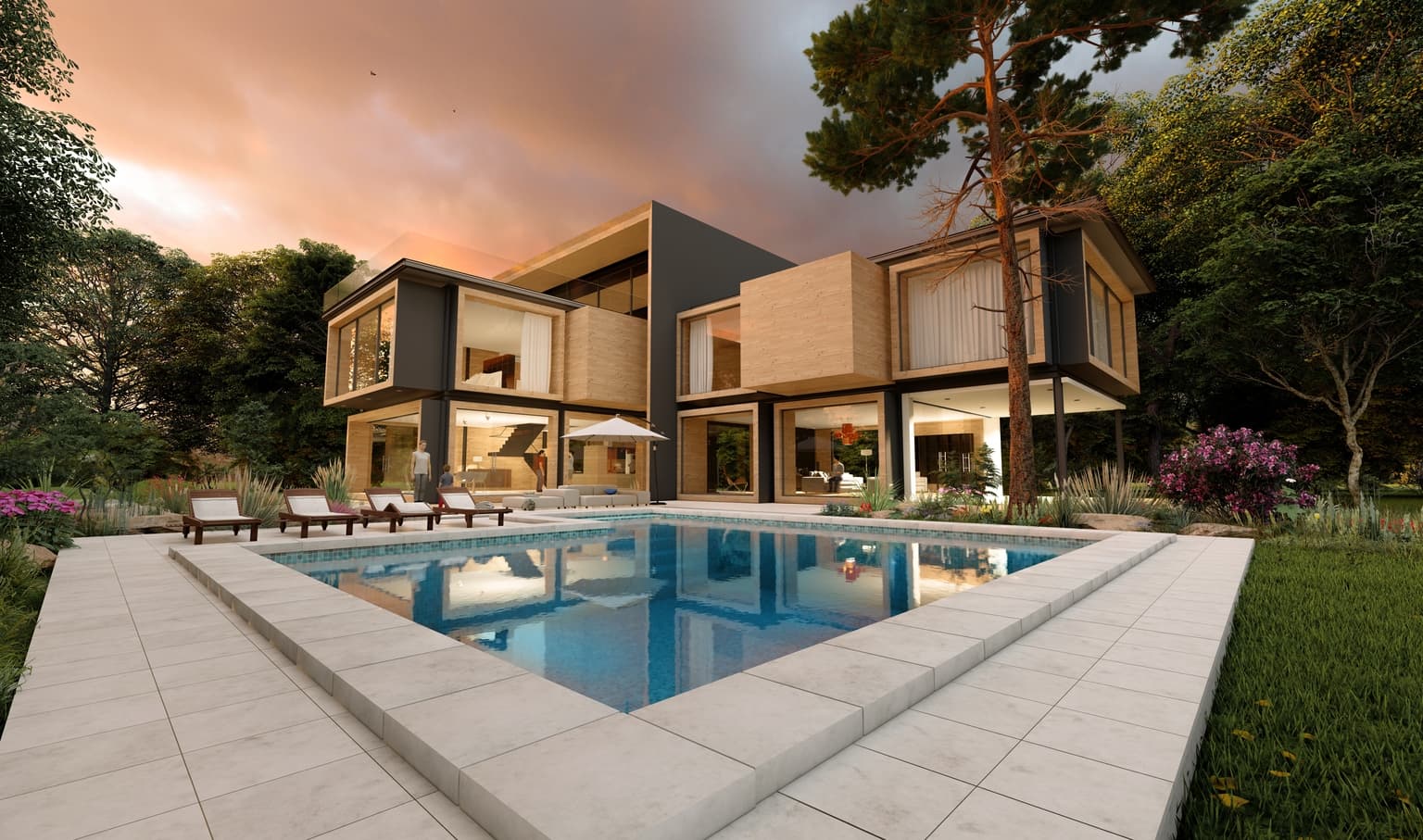
The inclusion of green spaces in city centers has become a critical aspect of urban planning and design-build practices. Parks, green roofs, and vertical gardens are being integrated into urban landscapes to mitigate the UHI effect. Plants not only provide shade but also cool the air through evapotranspiration, helping to reduce the overall temperature of urban areas.
Placing trees strategically around buildings can also help shield them from direct sunlight, reducing the heat inside. This, in turn, lowers the energy required to cool the building. Additionally, green roofs and walls are becoming more popular in urban areas as they contribute to cooling the surrounding environment and improving air quality.
Urban Design Considerations
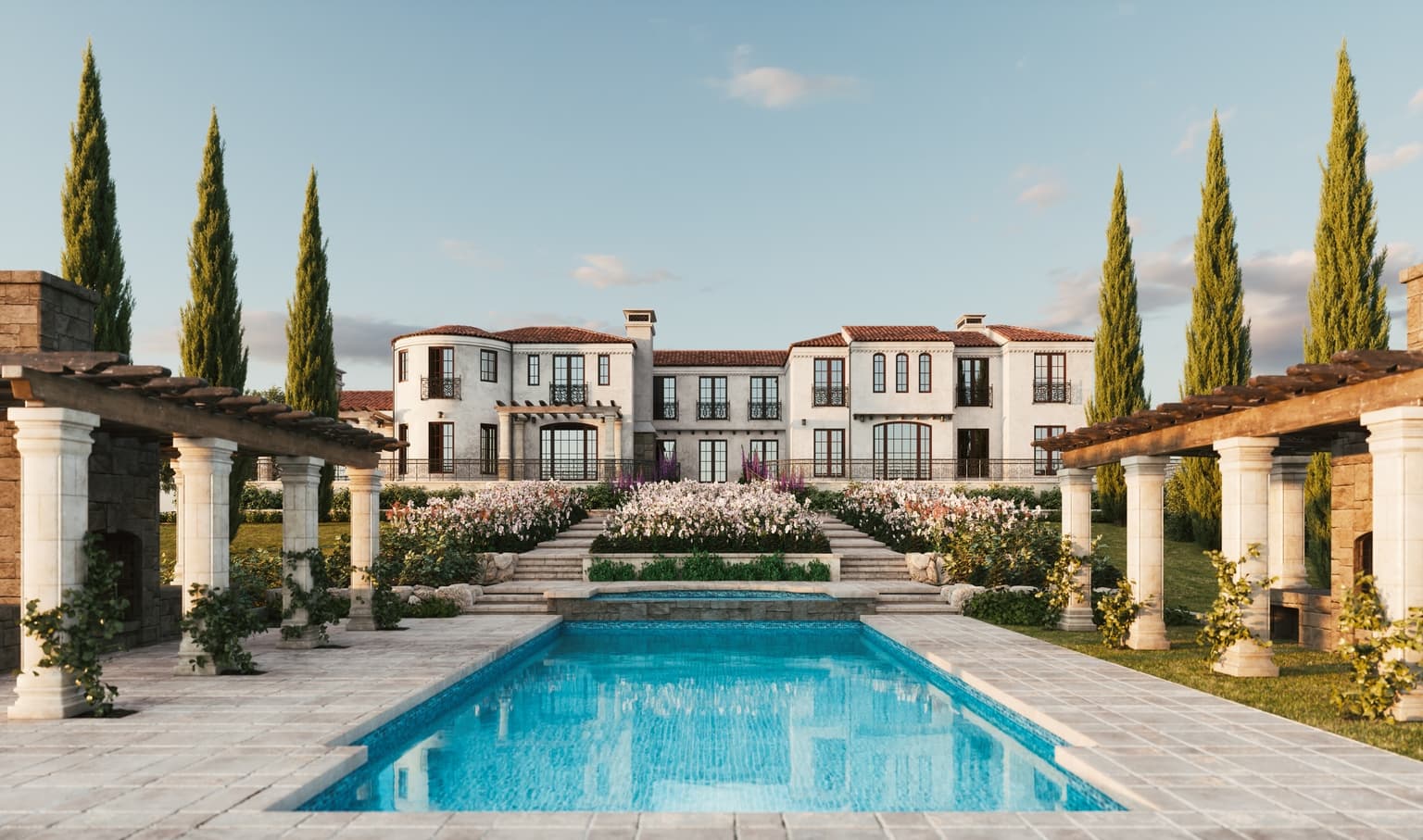
Urban design plays a significant role in addressing the UHI effect. City planners and architects must collaborate to ensure that new developments contribute to reducing heat, rather than amplifying it. One way to do this is by designing narrower streets and ensuring that buildings do not create "urban canyons" where heat gets trapped. Proper ventilation between buildings can help release the hot air that gets trapped in these areas.
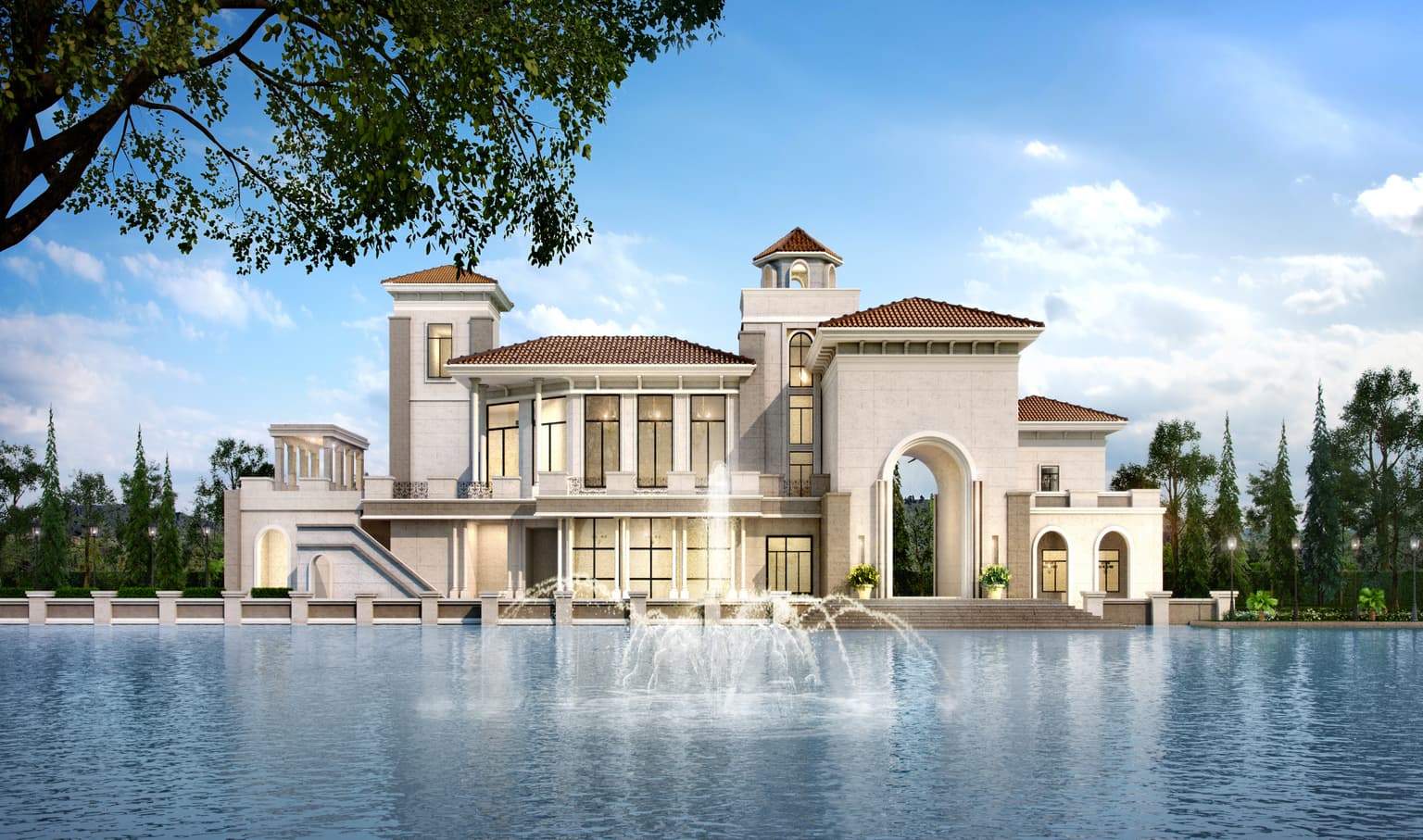
Placing water features, like fountains and small ponds, in public areas is another strategy that can help cool urban centers. Water has a cooling effect and helps counteract the higher temperatures caused by UHI.
Energy-Efficient Systems
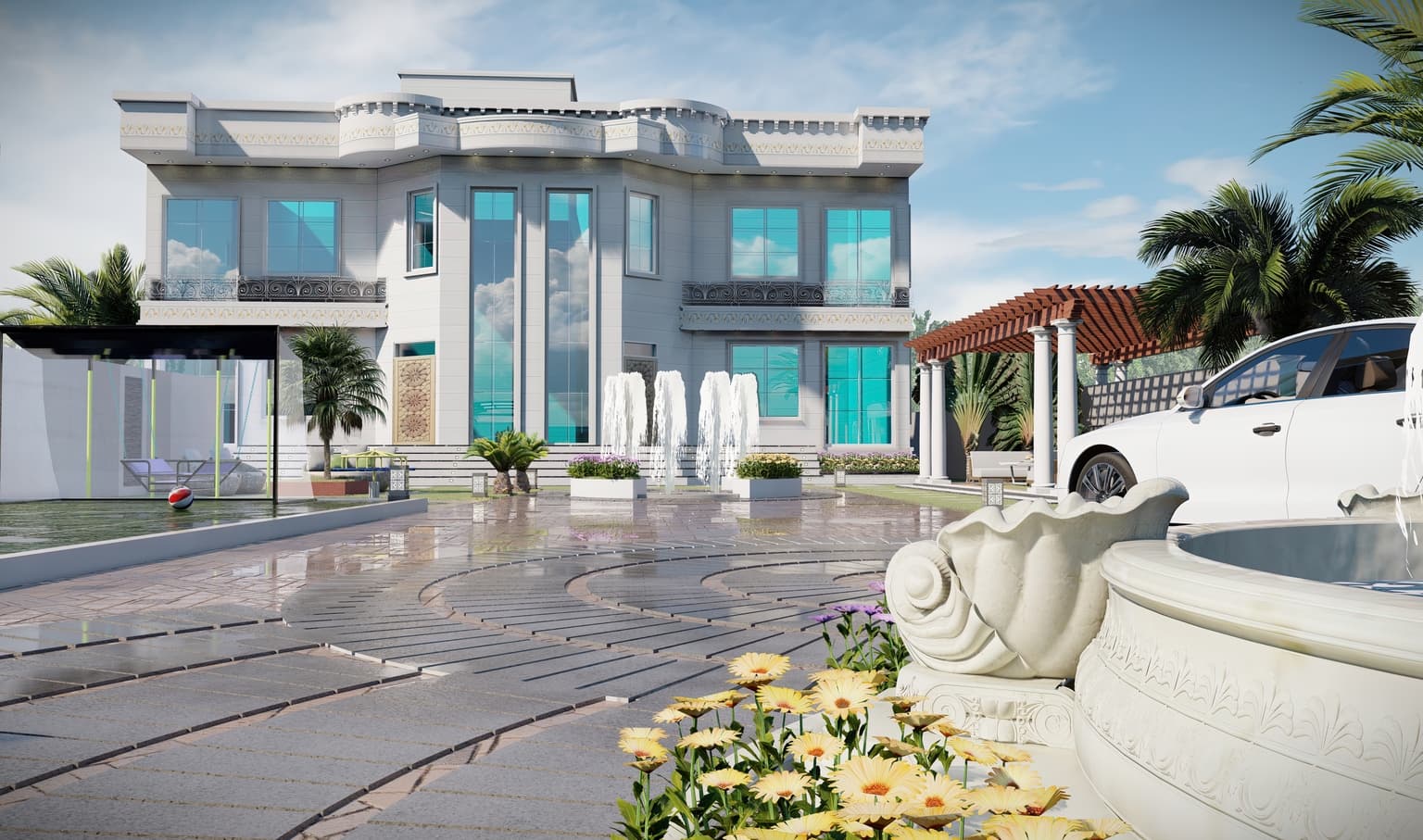
The UHI effect significantly increases the energy demand for cooling in urban buildings. As temperatures rise, so does the reliance on air conditioning systems. Design-build teams are focusing on incorporating energy-efficient systems that reduce this dependency. This includes the use of solar panels, energy-efficient windows, and passive cooling techniques.
The orientation of buildings, for instance, can make a significant difference in energy consumption. North-south-facing buildings receive less direct sunlight, reducing the amount of heat absorbed during the day. Additionally, shading devices such as awnings, pergolas, or external blinds can further block direct sunlight from entering the building.
Public and Private Sector Collaboration
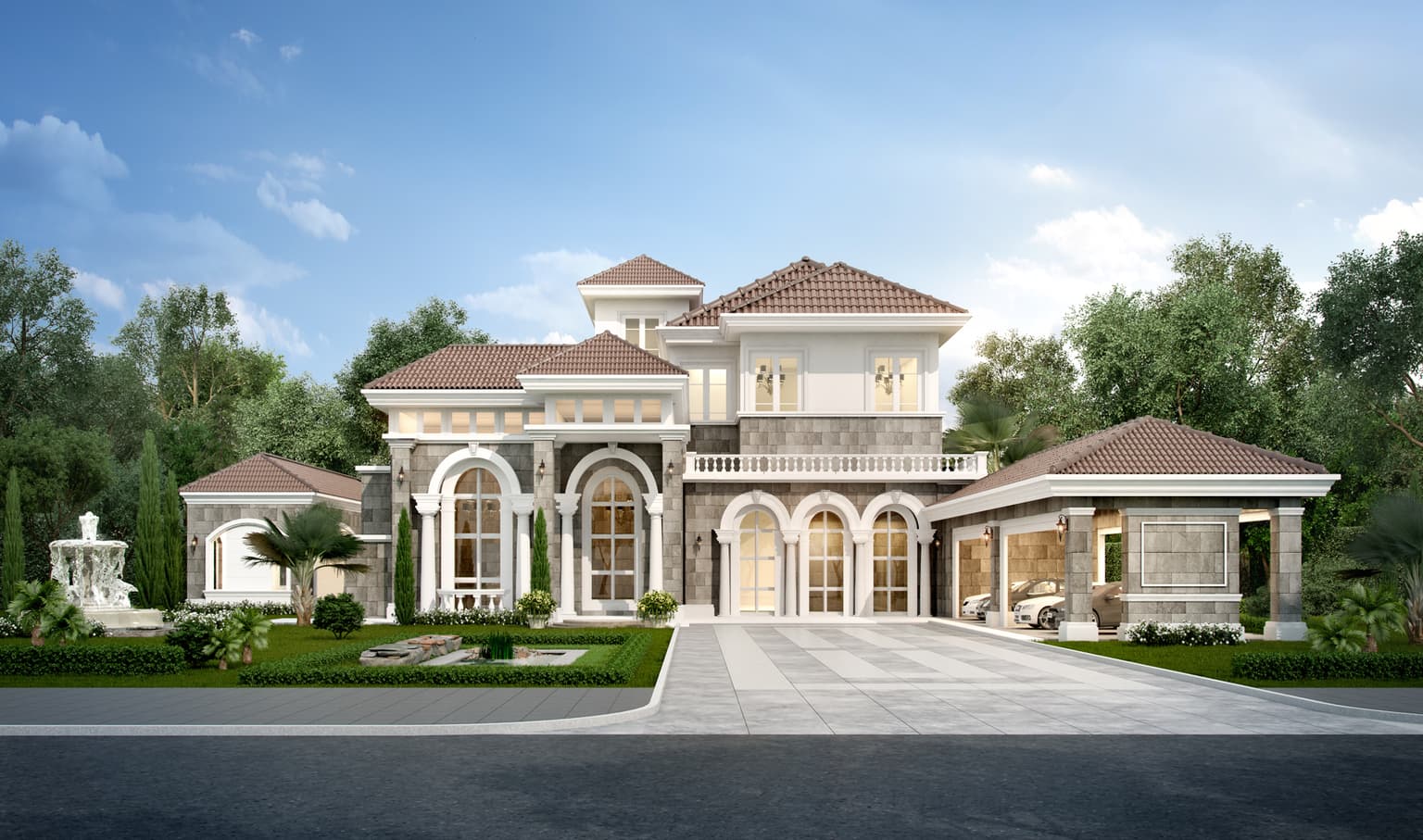
Mitigating the effects of UHI requires collaboration between public authorities and private developers. Government agencies can offer incentives for building projects that incorporate sustainable and energy-efficient designs. Policies promoting the use of green building materials, green roofs, and energy-efficient cooling systems can help reduce the UHI effect over time.
On the other hand, private developers can adopt best practices and technologies to mitigate heat in their construction projects. Working together, the public and private sectors can significantly contribute to cooler, more sustainable urban environments.
Climate-Responsive Design
As climate change intensifies, design-build practices must become more responsive to these challenges. Climate-responsive design involves creating buildings that can adapt to changing environmental conditions. In the context of UHI, this means designing buildings that can remain comfortable in higher temperatures without relying heavily on energy-intensive systems.
Natural ventilation, shading devices, and thermal massing are all techniques that can help buildings respond to the UHI effect. Building orientation, material choice, and landscape design can all work together to create urban spaces that are better equipped to handle heat.
Conclusion
The Urban Heat Island effect presents a significant challenge for city centers around the world. However, through innovative design-build practices, cities can mitigate its impacts and create more comfortable, energy-efficient urban environments. By incorporating green building materials, increasing vegetation, and focusing on energy-efficient systems, developers can help reduce the heat absorbed by urban areas.
In doing so, the negative effects of the UHI effect can be minimized, improving the quality of life for urban residents.
Looking to build or renovate in a city center? Our expert team can help you design solutions that prioritize comfort and lifestyle.
Explore Further
- Urban challenges connect to broader sustainability. Review the investment case for sustainable construction.
- Responsive design addresses multiple environmental factors. Explore comprehensive climate adaptation in building design.
- Material selection affects heat performance. Learn sustainable material options like reclaimed wood.
- Commercial applications: Urban commercial buildings face heat challenges. See trends in commercial construction addressing sustainability.
Work With Capital Associated Building Contracting LLC
Combat urban heat with environmental building contractors Dubai who specify cool roofs, reflective materials, and strategic landscaping. Our design build approach integrates heat mitigation from initial concept.
Address urban heat challenges in your development.
FAQ
1. What is the Urban Heat Island effect?
It is the temperature increase in urban areas compared to surrounding rural regions, caused by heat absorbing materials and reduced vegetation.
2. How does UHI affect building design?
It influences material selection, building orientation, insulation, ventilation, and the integration of green spaces to reduce heat gain.
3. What materials help reduce urban heat?
Cool roofs, reflective coatings, permeable pavements, and light colored surfaces reduce heat absorption.
4. How do green roofs help mitigate UHI?
Green roofs provide insulation, absorb sunlight, and cool the air through evapotranspiration, lowering surrounding temperatures.
5. Why is climate responsive design important in cities?
It reduces energy consumption, improves occupant comfort, and enhances resilience against rising temperatures and climate change.