
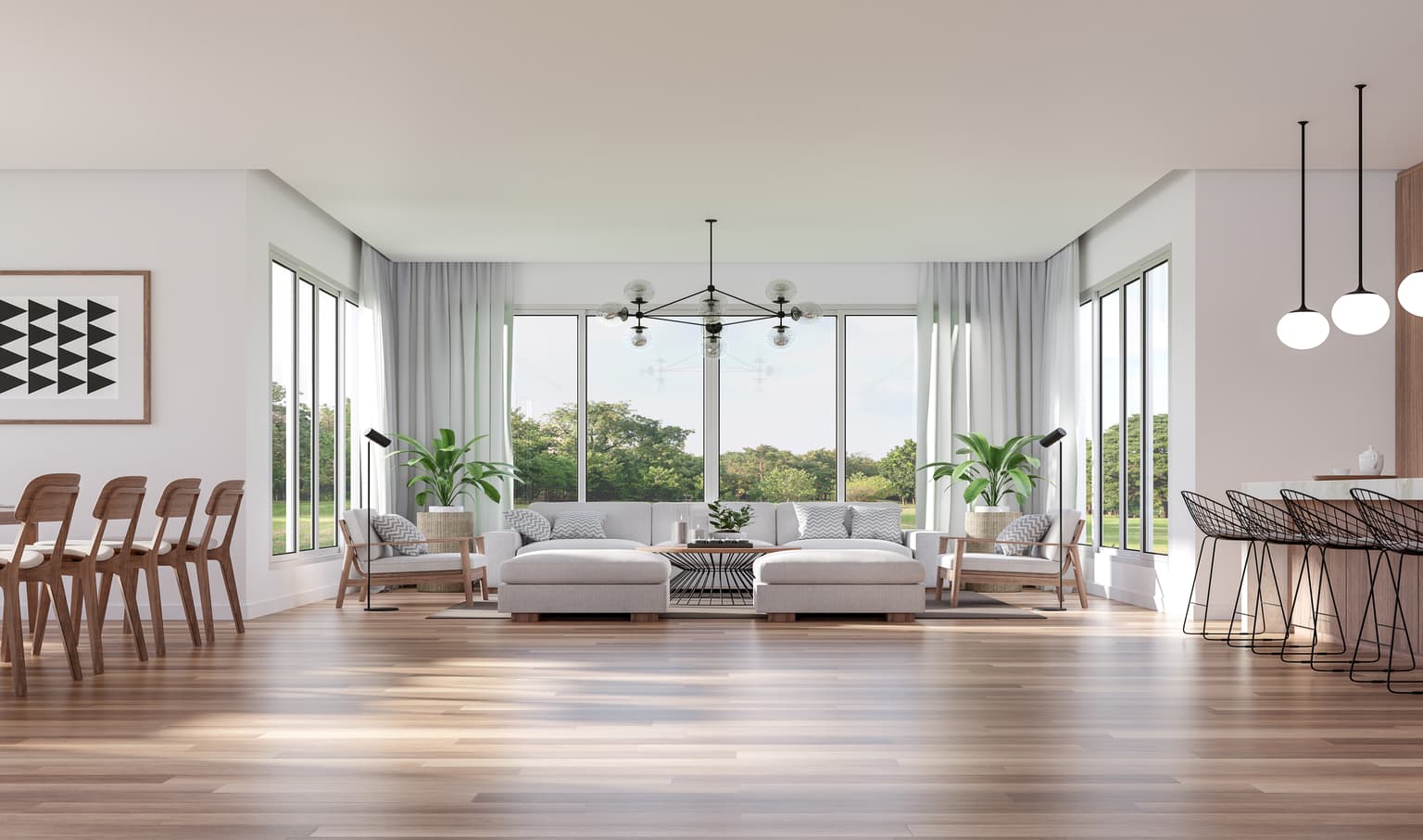
Interior design hacks to make any room feel larger & brighter. Smart furniture placement, natural light & neutral colors for open spaces.
Creating a spacious environment at home is all about clever design techniques. You don't need to expand your floor plan to give rooms an open, airy feel. Small changes in layout, furniture choice, color schemes, and lighting can significantly impact how roomy a space feels. Let's explore these top interior design hacks to achieve that spacious effect in your home.
Maximize Natural Light
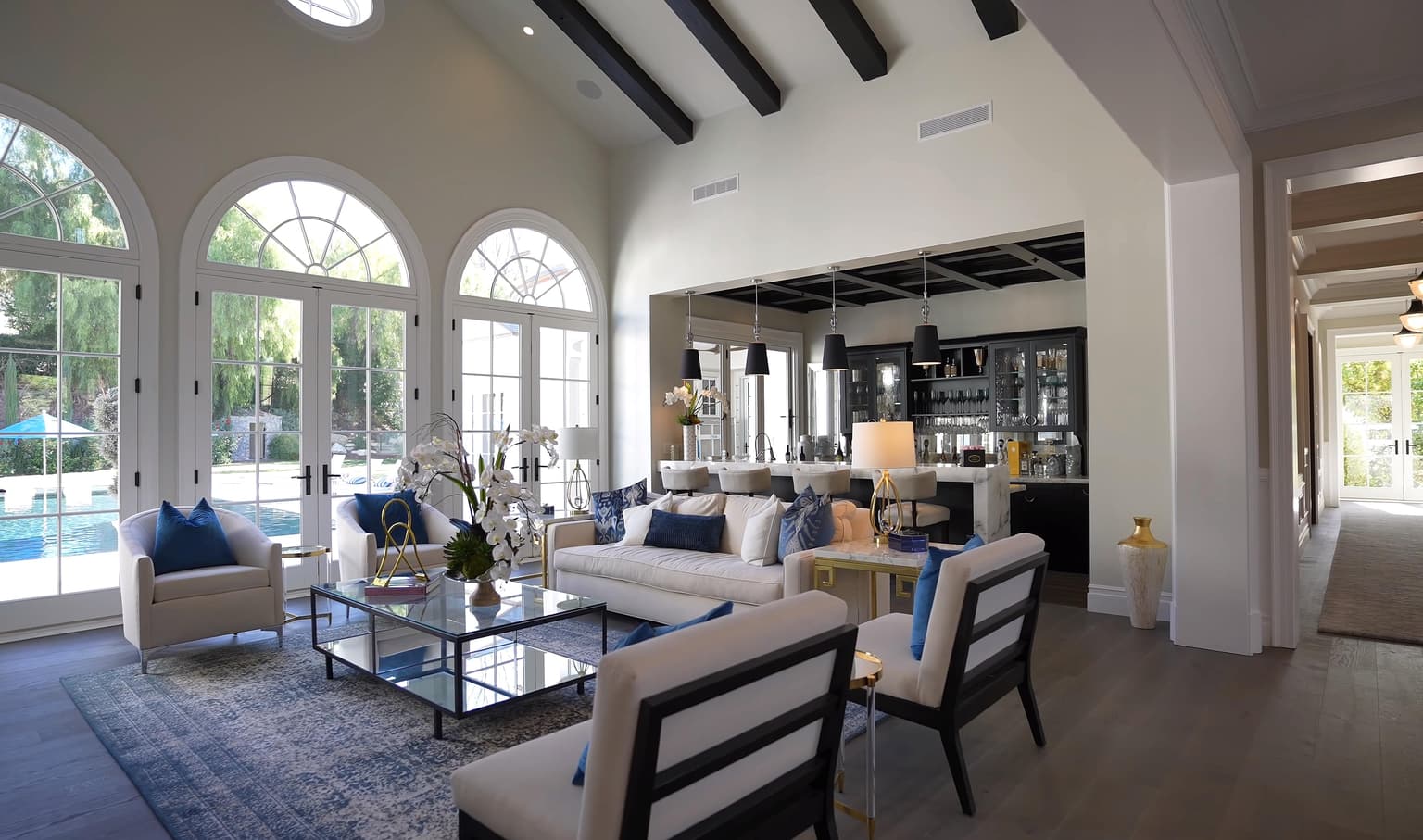
Natural light plays a vital role in making any space appear larger. Rooms filled with sunlight tend to feel more open and inviting. For homes with limited window space, it's essential to maximize the light you already have. Opt for lightweight curtains or shades that allow sunlight to pour in freely. If privacy is a concern, sheer curtains can offer a compromise, providing cover without blocking light.
Mirrors also contribute by reflecting sunlight around the room. Placing them strategically across from windows or near light sources enhances the room’s brightness. Reflective surfaces, whether it’s mirrors, glossy furniture, or metallic decor, can amplify light and open up even the most compact spaces.
Use a Neutral Color Palette
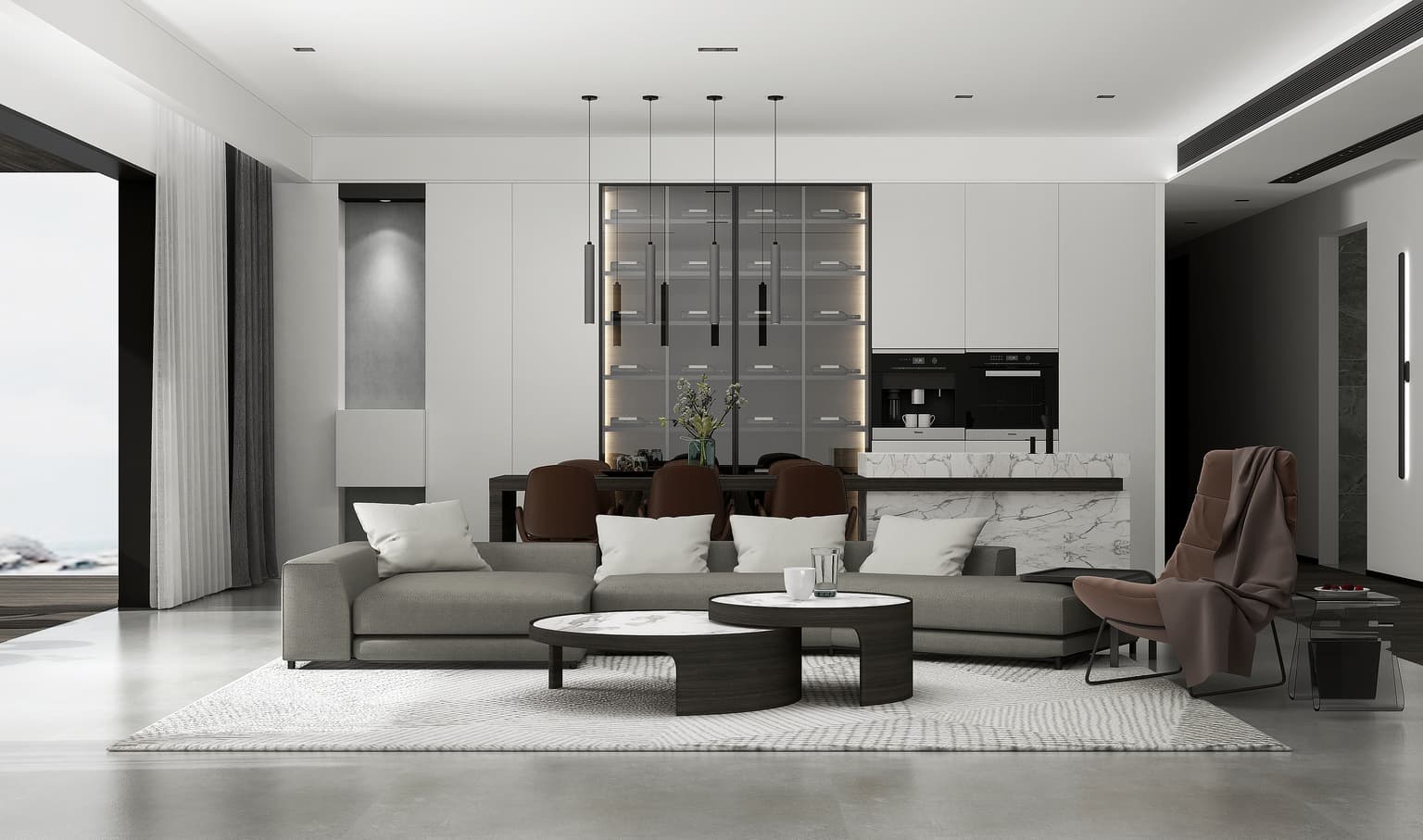
Color can create an illusion of spaciousness. Light, neutral shades such as whites, soft grays, and beiges give walls a receding quality, making the room feel more extensive. Cool colors tend to push the walls out, providing a sense of depth and airiness. For those who want more variety, pastel tones offer a splash of color without sacrificing the open feel.
To add a bit of personality without overwhelming the space, use bolder hues sparingly. Accent walls or colorful decor items can break the monotony while maintaining the illusion of openness.
Optimize Furniture Arrangement
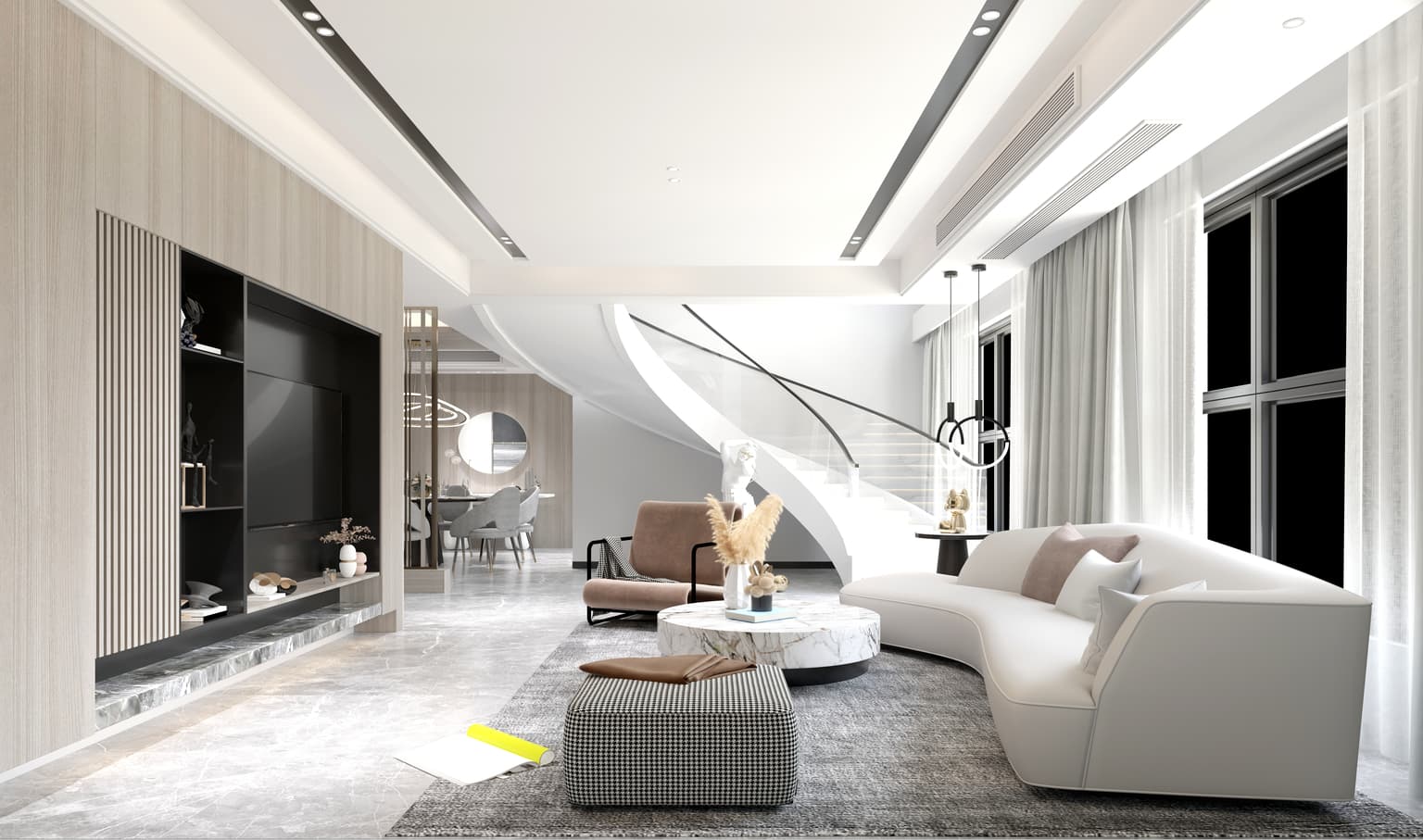
Where you place your furniture can either open up or clutter a room. Avoid pushing all furniture against the walls. Leaving small gaps between the furniture and walls makes the space feel less cramped. Choose multi-functional pieces, such as ottomans with storage or foldable tables, to reduce the amount of furniture needed. This hack is especially effective in smaller living rooms or bedrooms where space is at a premium.
Low-profile furniture helps as well. Sofas, chairs, and tables with lower backs create more visual space, allowing your eyes to travel around the room without obstructions. Avoid bulky or overly ornate pieces that can overwhelm the area.
Play with Scale
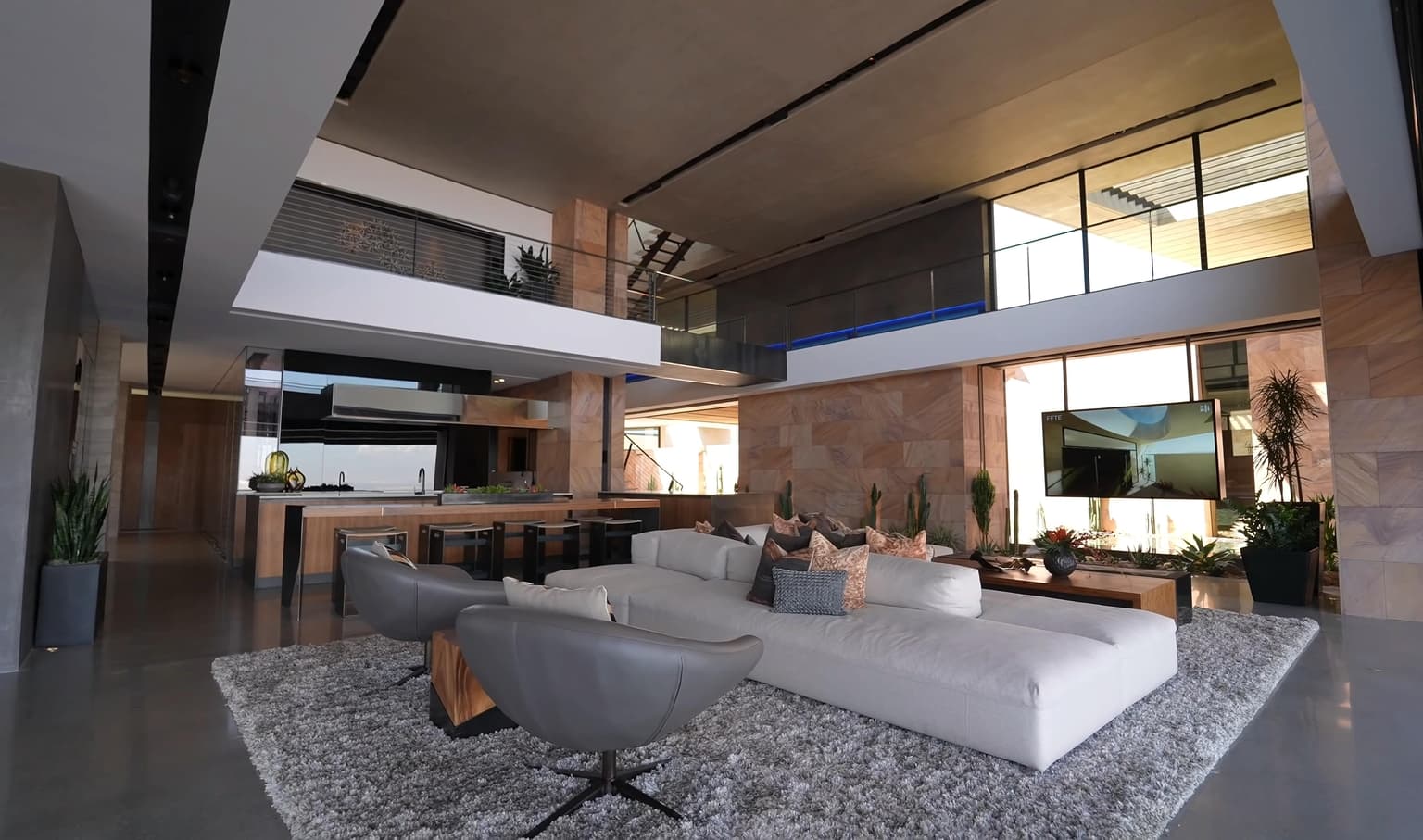
Contrary to what many believe, small furniture doesn't always make a room feel bigger. In fact, tiny pieces can make the room appear cluttered. Instead, opt for a few larger statement pieces, like a sectional sofa or an oversized coffee table. These provide an anchor for the room while still leaving plenty of open space. Remember, balance is key. Mix and match larger items with more delicate ones, ensuring the room doesn't feel overcrowded.
Choose Open Shelving
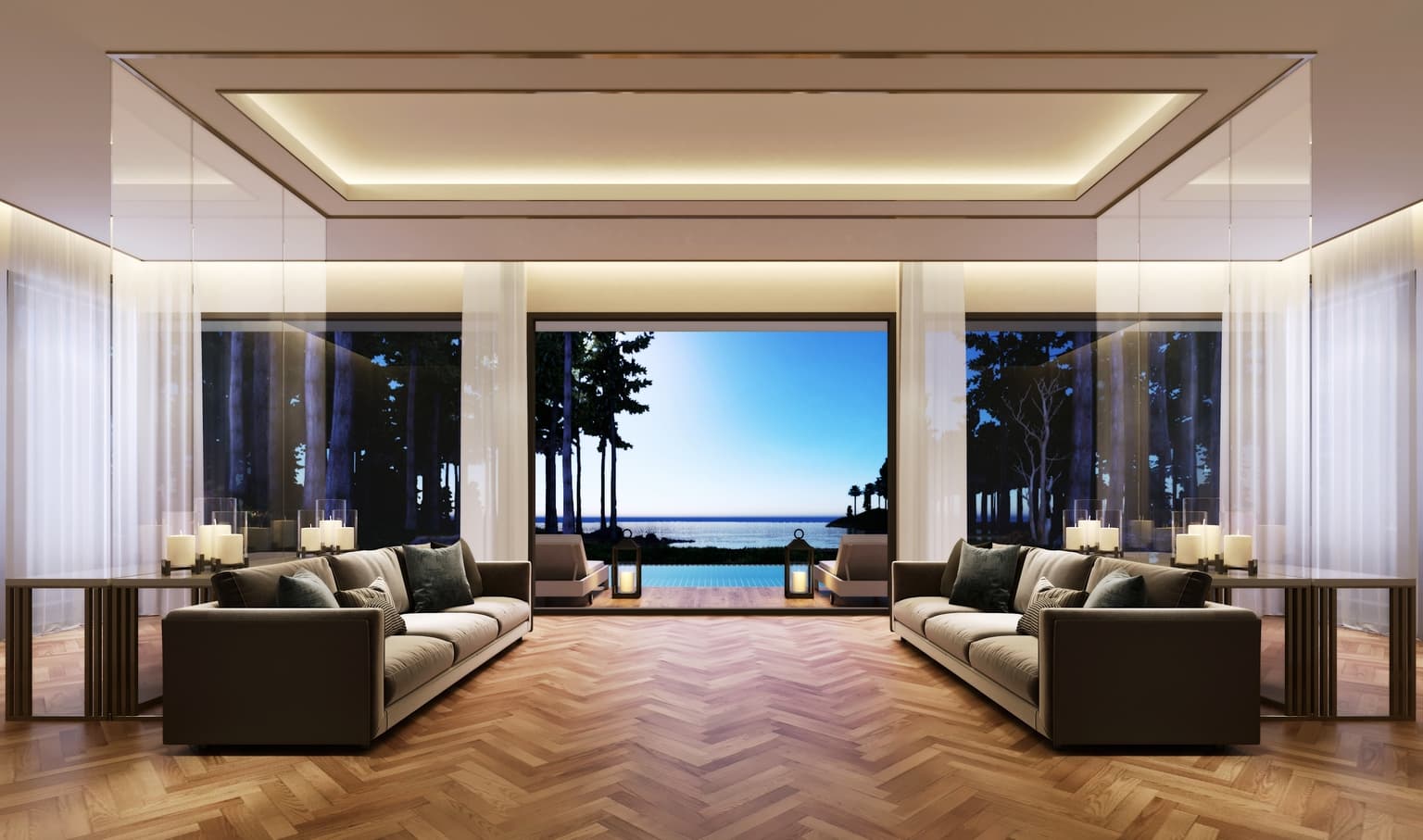
Closed cabinets and heavy furniture can make a room feel confined. Open shelving is an excellent alternative that keeps things light and airy. It adds visual depth, allowing the eye to move freely around the room. It also provides a place to showcase your favorite decor, keeping the room visually interesting without feeling overwhelming.
When using open shelves, keep them neat and minimal. Avoid clutter, as too many items can ruin the sense of openness you’re trying to create.
Use Vertical Space
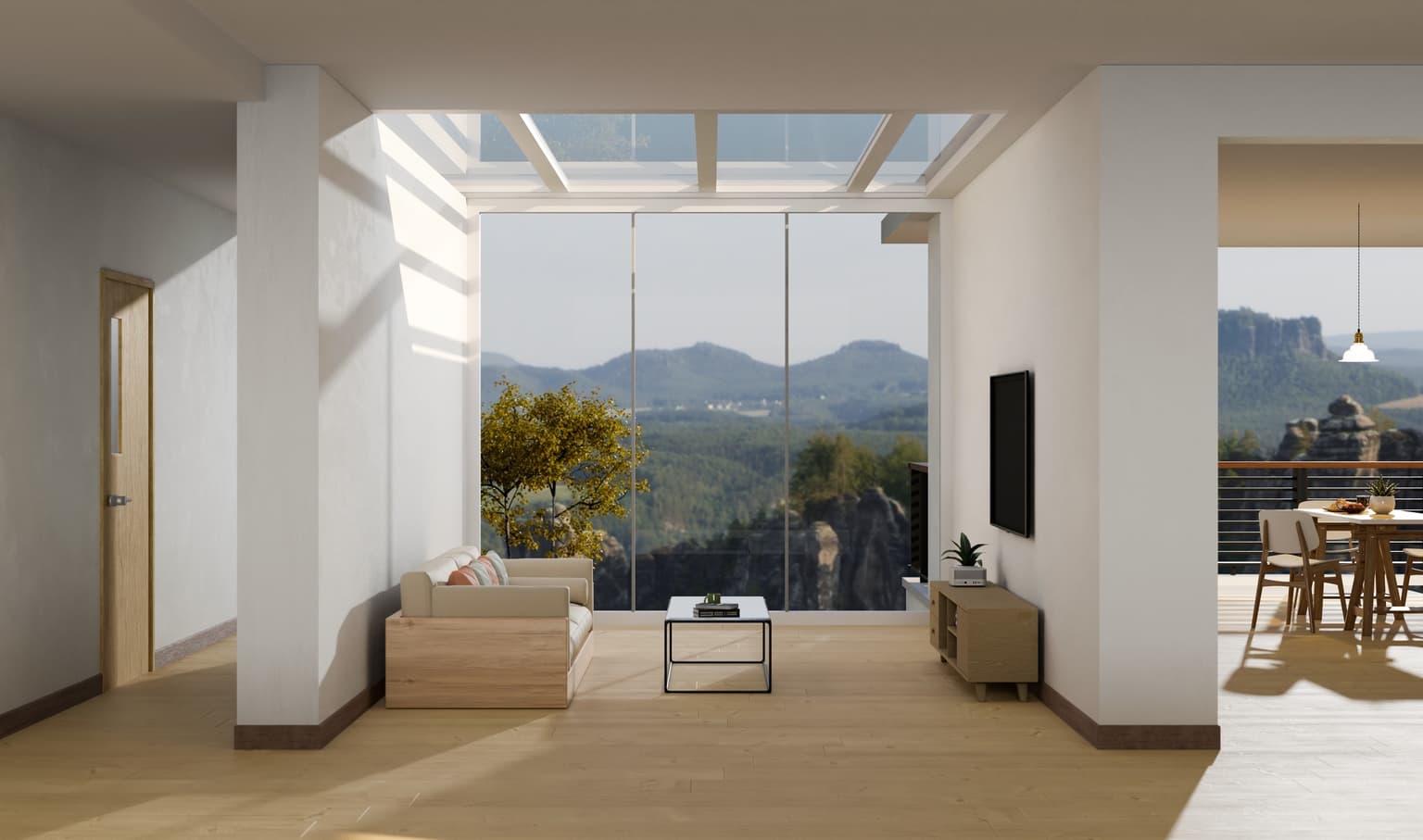
One often overlooked design element is vertical space. By drawing the eye upward, you create the illusion of more height in the room. Floor-to-ceiling bookcases, tall mirrors, or elongated curtains can make ceilings appear higher. Hanging artwork higher than eye level can also give the illusion of extra space. The trick is to emphasize the vertical lines in a room, elongating it visually.
Opt for taller furniture pieces, but be mindful not to overcrowd the walls. Balance is key to maintaining that spacious feel.
Keep the Floor Clear
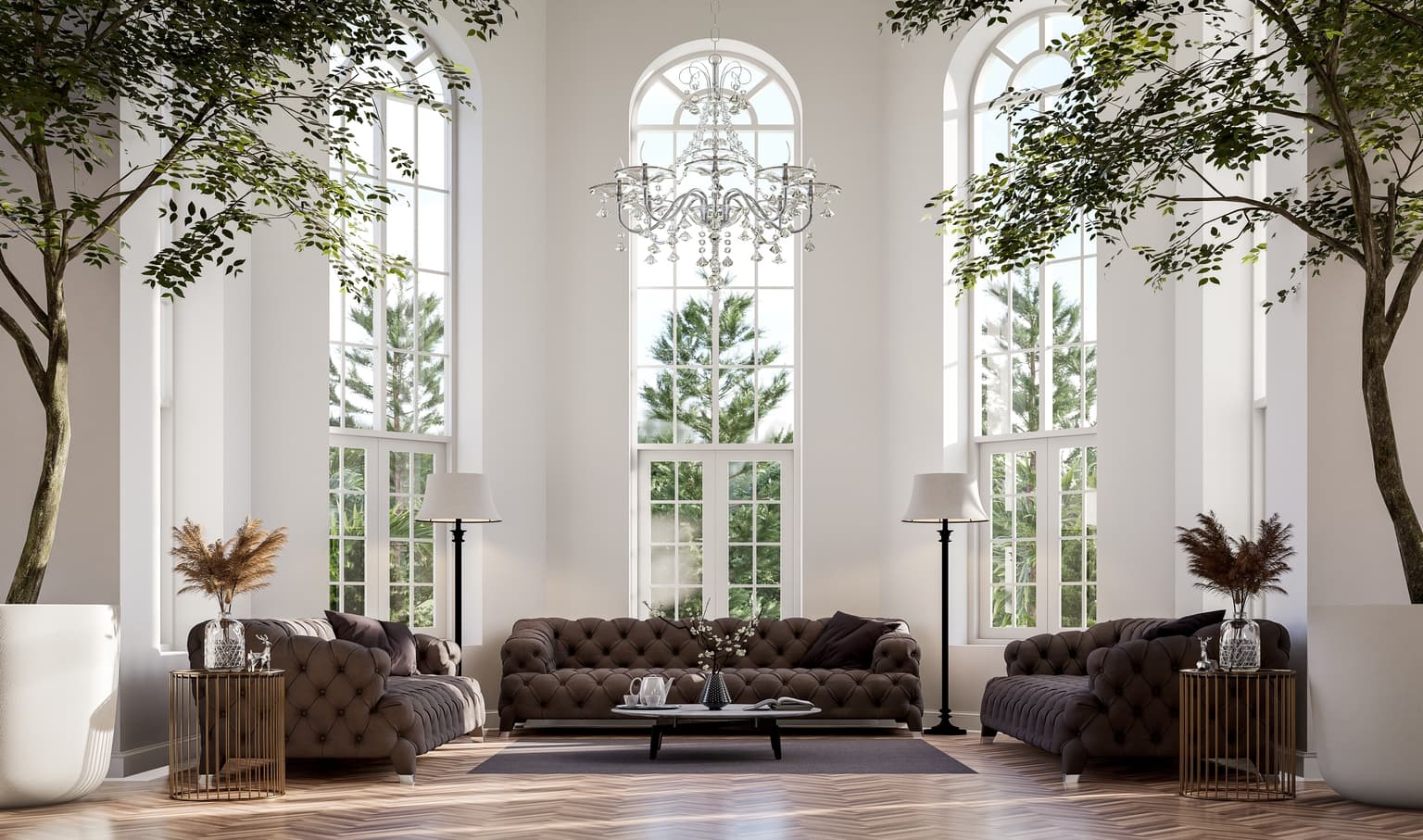
A cluttered floor instantly shrinks a space. Keep the floor as clear as possible by opting for furniture with legs that elevate pieces off the ground. Floating shelves, wall-mounted desks, and compact side tables free up floor space, contributing to a more open feel.
Rugs can help define areas in an open floor plan, but avoid oversized rugs that dominate the space. Instead, opt for smaller, strategically placed rugs that create zones without closing off the room.
Simplify the Decor
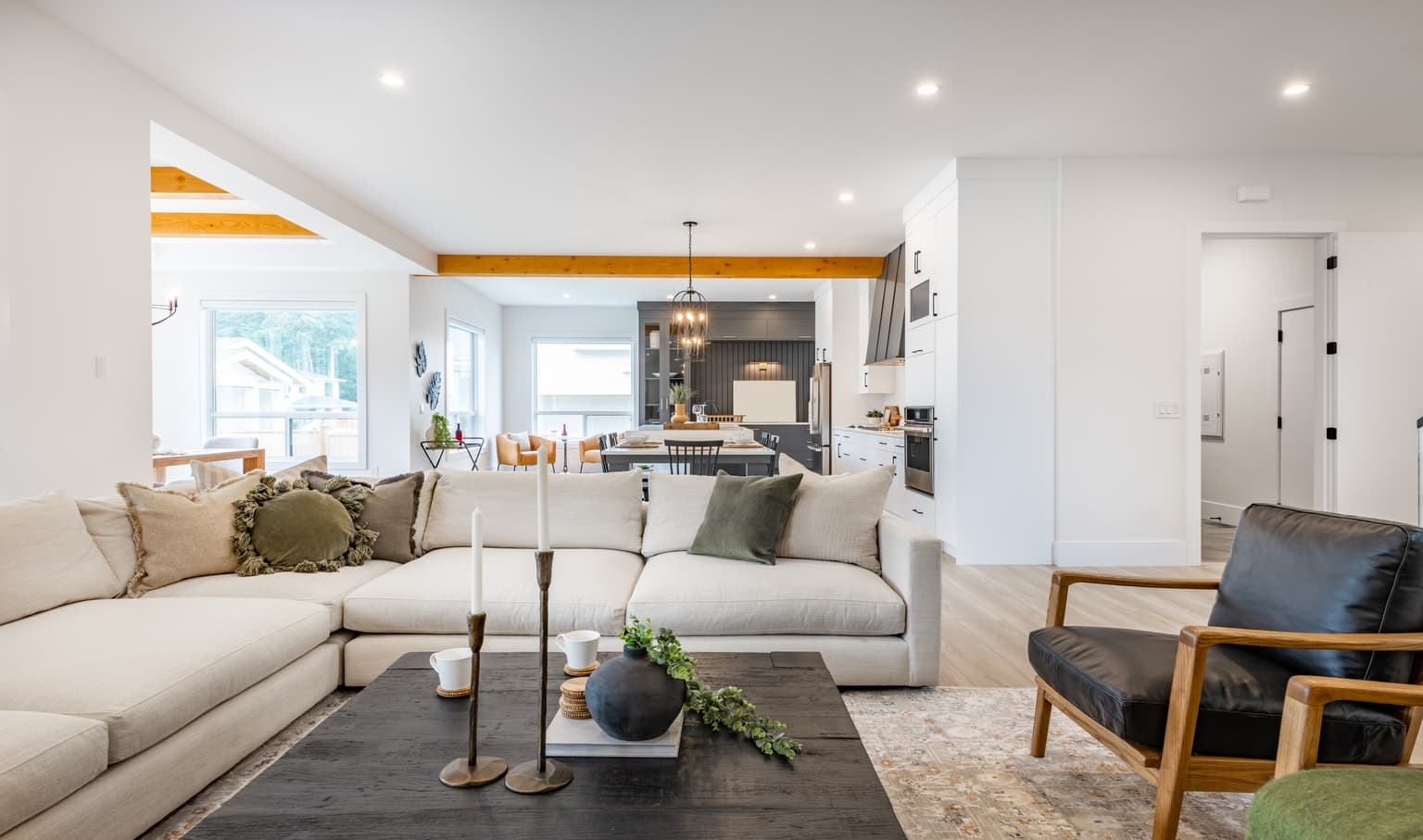
Too many decorative items can make a room feel cramped and chaotic. Simplifying decor keeps things calm and spacious. Opt for a few well-chosen pieces instead of crowding shelves and surfaces. Less is more when it comes to achieving an airy, spacious aesthetic.
Choose decor that complements the room’s color scheme and furniture style without overwhelming the senses. Minimalism doesn’t have to mean cold or impersonal—it's about selecting items with intention.
Use Lighting Wisely
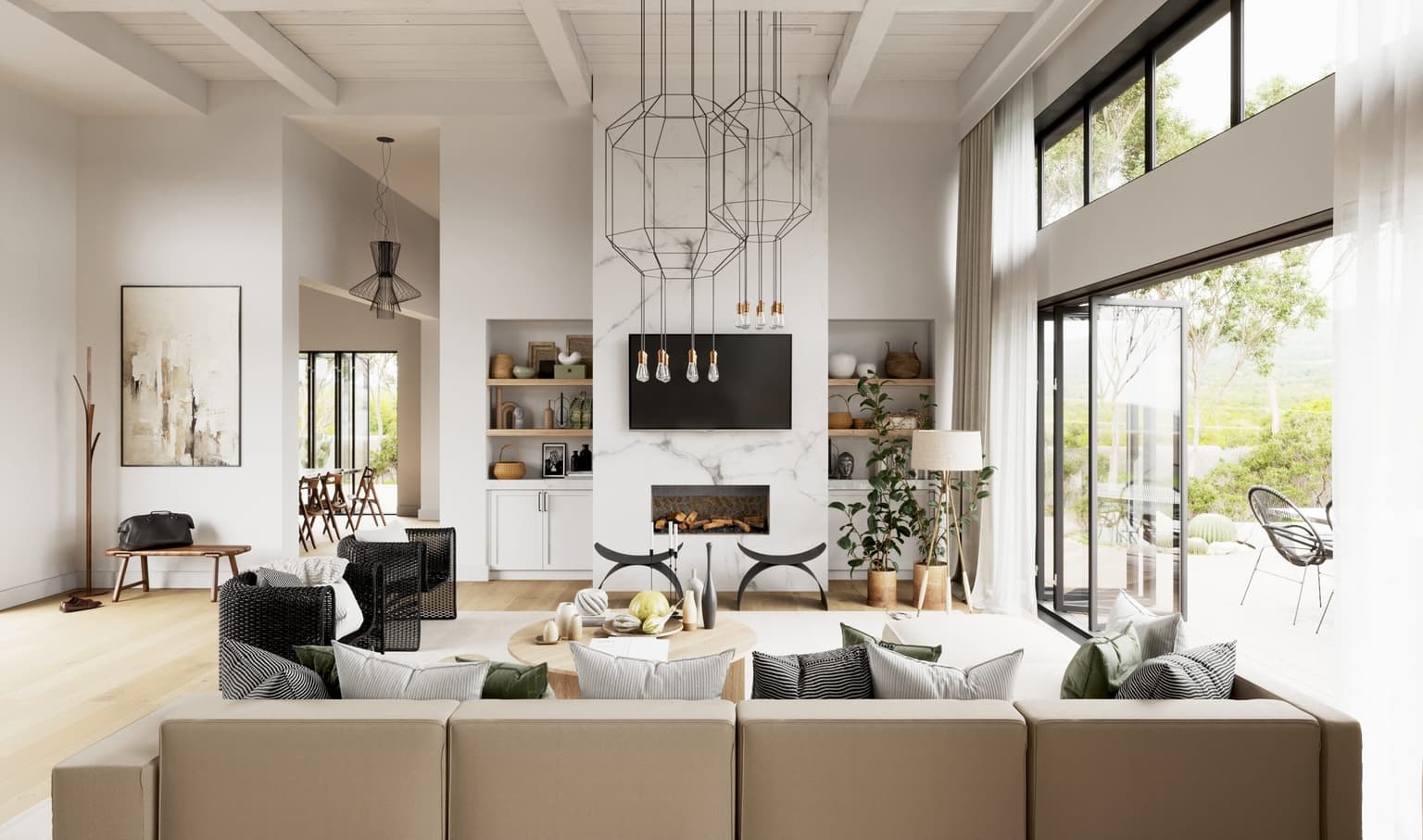
Lighting plays a crucial role in how spacious a room feels. Layering different types of lighting, from ambient to task lighting, helps create a balanced, open atmosphere. Avoid harsh, direct light that can cast deep shadows, making the room feel smaller. Instead, opt for soft, diffused lighting that spreads evenly across the room.
Wall sconces, recessed lighting, and pendant lights are great for keeping surfaces free of bulky lamps while distributing light effectively. Dimmer switches add versatility, allowing you to adjust the ambiance based on the time of day.
Open Floor Plan Approach
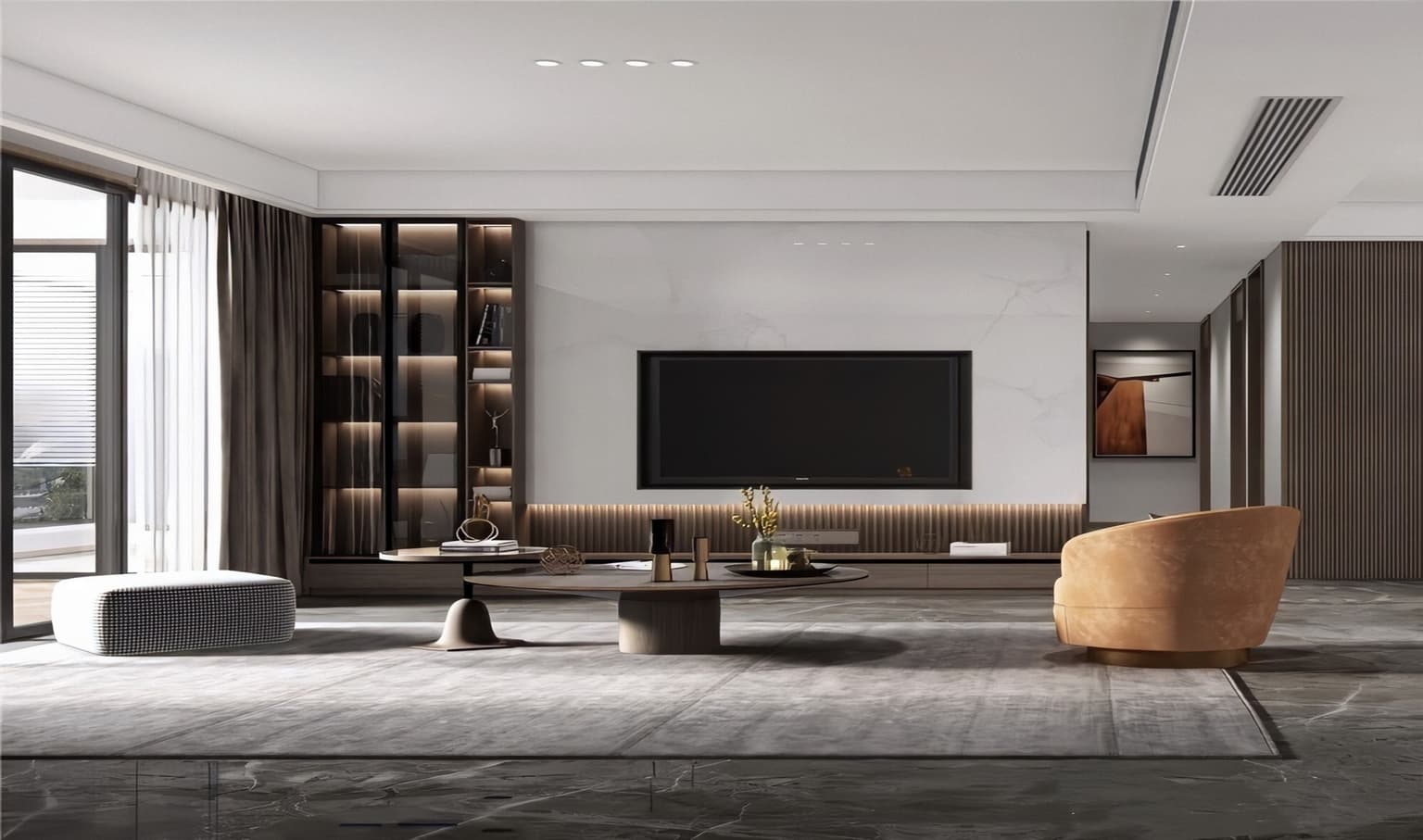
If possible, consider adopting an open floor plan approach. Fewer walls create a seamless flow between rooms, making the entire area feel larger. If you’re not ready for a full renovation, partial wall removal or doorways without doors can create a similar effect.
Rooms with an open layout allow for better circulation, light distribution, and visibility, all contributing to the feeling of spaciousness. The key is to define spaces without enclosing them, using furniture placement or area rugs as subtle separators.
Declutter Regularly
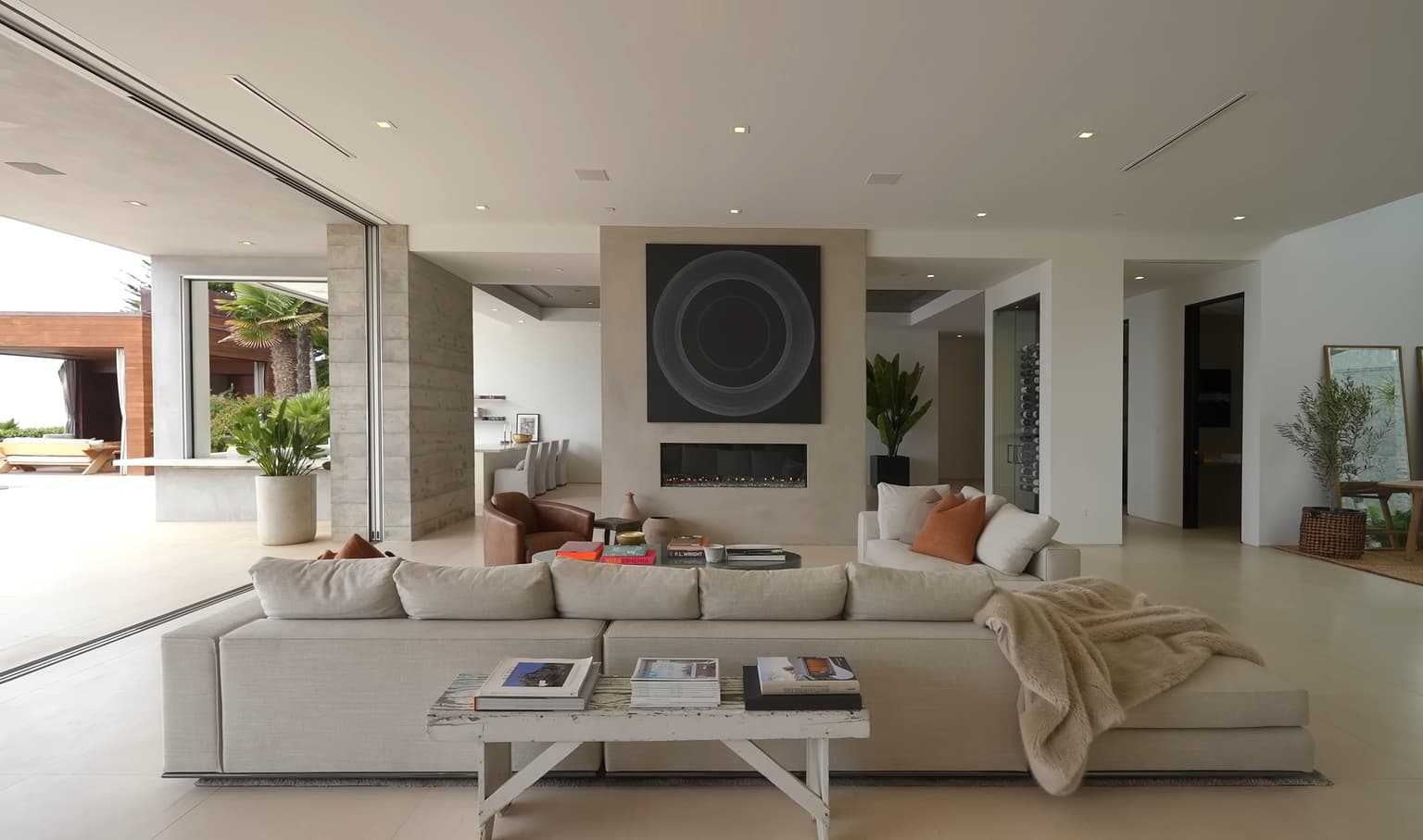
Clutter is the enemy of spaciousness. Keeping surfaces clear and organizing your belongings goes a long way toward maintaining that open feel. Regularly decluttering prevents small spaces from becoming overwhelmed. Storage solutions like built-in cabinets, baskets, and hidden drawers can keep essential items out of sight, ensuring a tidy, uncluttered look.
Decluttering isn’t just about clearing physical space. It also helps create mental clarity, enhancing the overall enjoyment of the space you’ve carefully designed.
Make Use of Sliding Doors
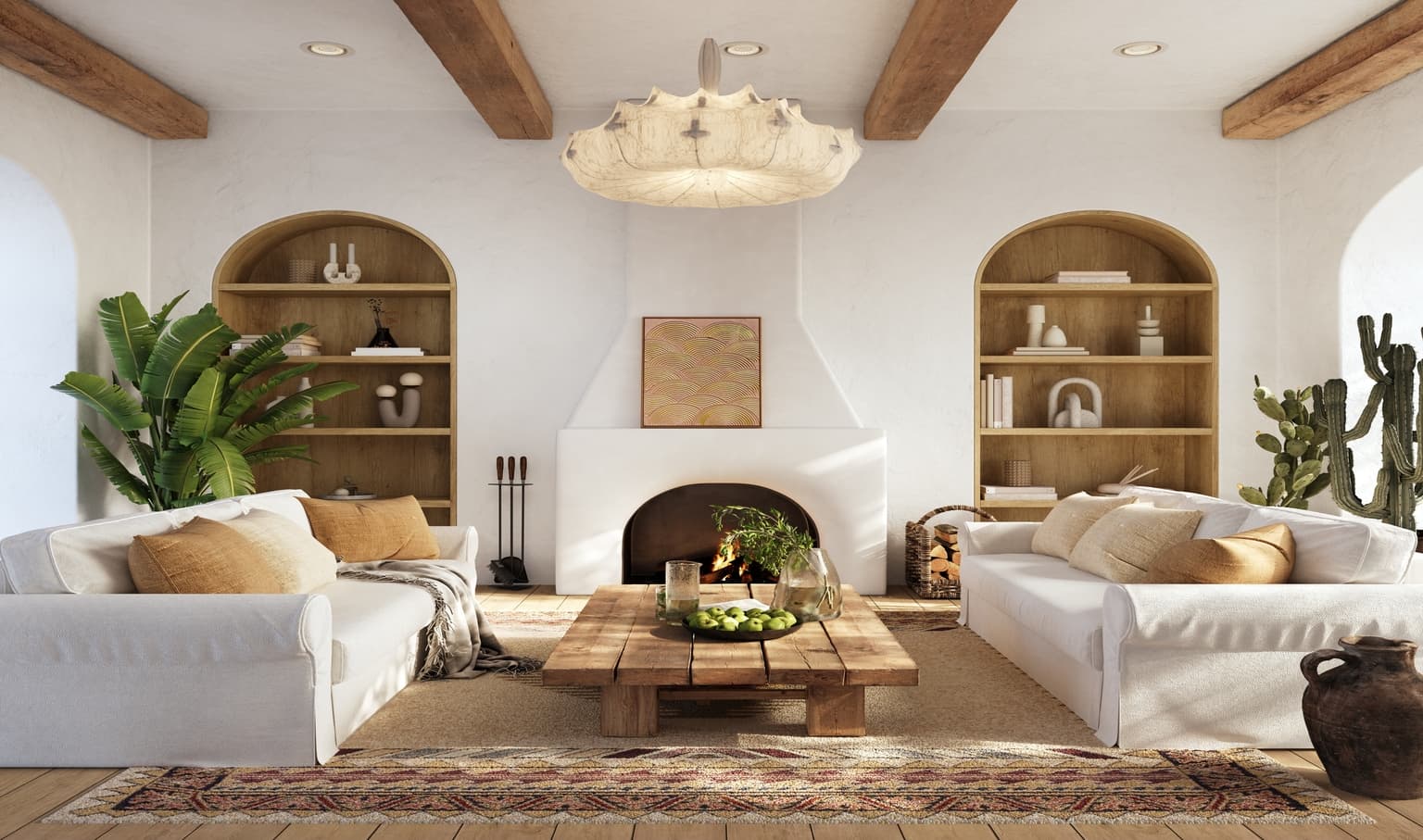
Traditional doors swing open and can take up valuable floor space. Sliding doors, pocket doors, or even bi-fold doors are space-saving alternatives that allow for smooth transitions between rooms without encroaching on the available space.
In areas like bathrooms or closets, where space is often limited, these alternatives can free up several square feet. Glass sliding doors also create a sense of continuity between rooms while allowing natural light to flow.
Final Thoughts
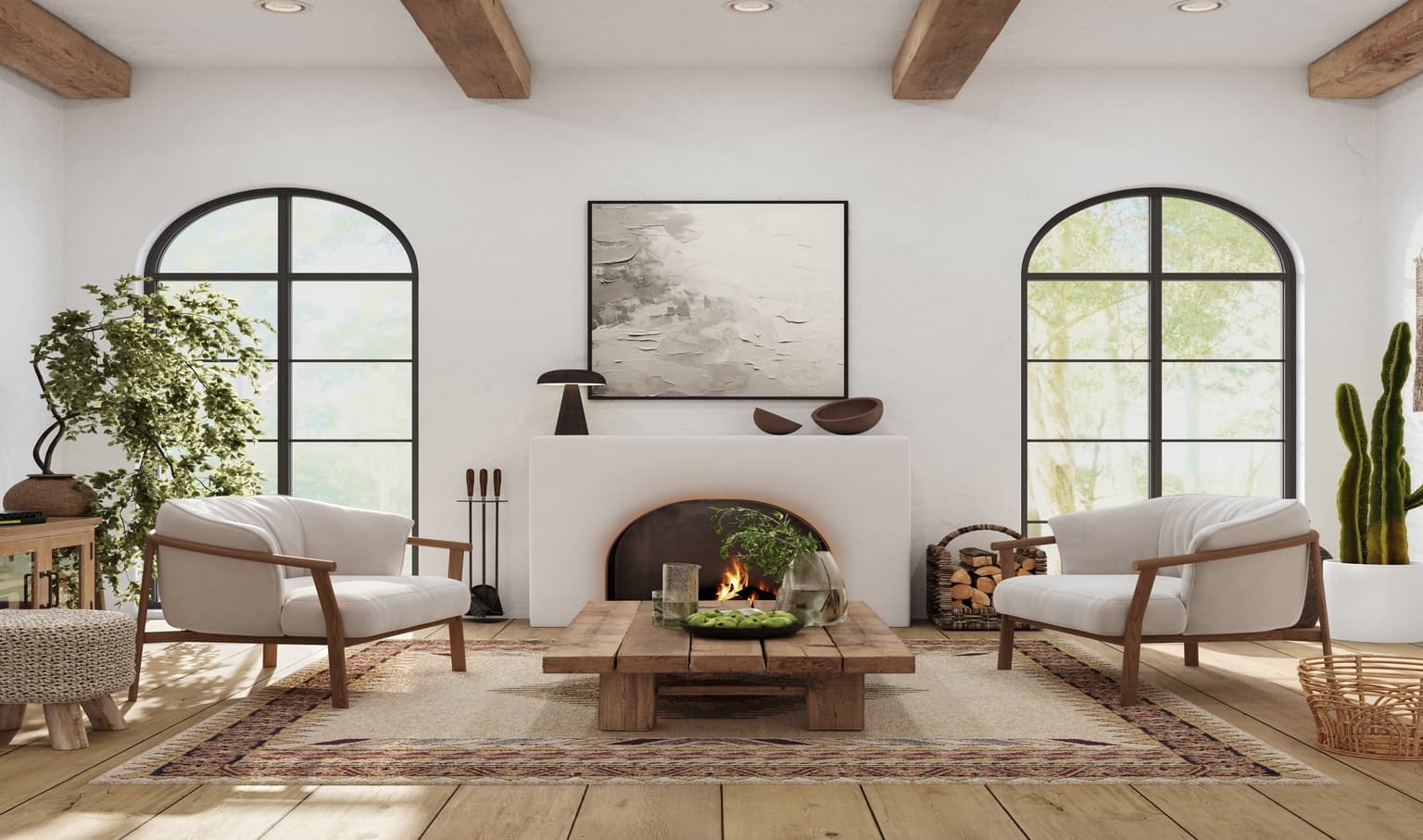
Creating a spacious feel in your home doesn’t require large renovations or drastic changes. By employing simple, effective design strategies, you can make any space feel larger, brighter, and more open. Maximizing natural light, opting for neutral color schemes, and using vertical space are just a few ways to achieve this. With a little creativity and planning, even the smallest spaces can be transformed into airy, inviting areas.
Learn More
- Space enhancement connects to fit-out fundamentals. See essential principles for interior fit-out projects.
- Light expands perceived space. Explore maximising natural illumination in interiors.
- Guest rooms often need space optimisation. Learn creating functional and welcoming guest spaces.
- Renovation opportunities: These hacks apply to renovations. See transforming bathrooms for style and function.
Work With Capital Associated Building Contracting LLC
Maximise your space with space planning contractors Dubai who understand visual expansion techniques. Our interior renovation services transform compact spaces into comfortable environments.
Expand your living space with clever design.