
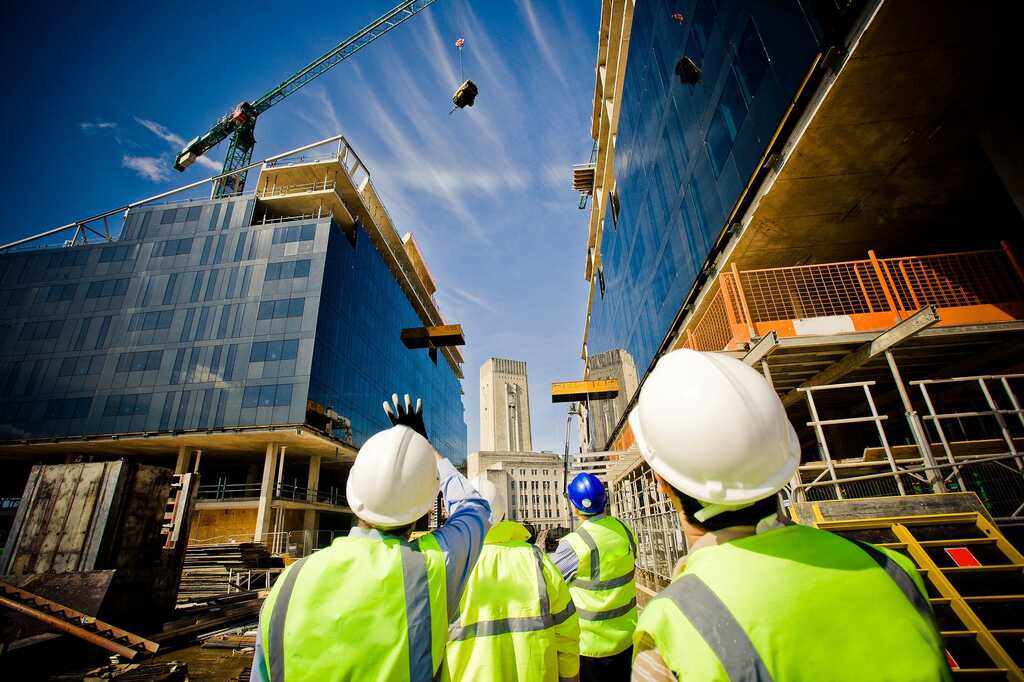
Understand the construction project lifecycle: concept, design, building, commissioning & post-completion management for project success.
The construction project lifecycle can seem complex, but it follows a structured path. This process takes a concept through planning, designing, building, and finally, handing it over. Each phase brings unique tasks and requirements. Knowing each step of the lifecycle can help stakeholders, whether they’re clients, contractors, or architects, understand where they fit in and how they can contribute. Breaking down this lifecycle reveals the process, helping all parties work together efficiently to achieve the project’s goals.
1. Conceptualization
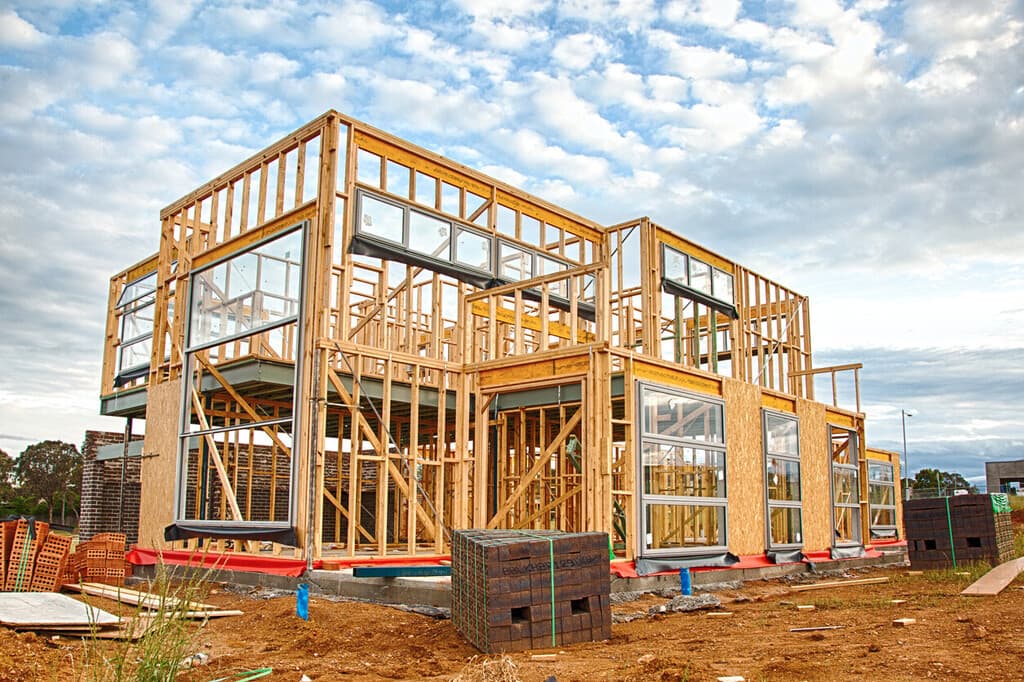
Everything begins with an idea. This is where the client outlines what they envision. Goals, needs, and specific preferences get identified in this stage. A clear understanding of the project's purpose is crucial here. Stakeholders discuss potential outcomes and examine whether the idea is feasible. Initial estimates, budgets, and timelines often form in this phase, offering a rough sketch of what the project could look like. Feasibility studies, preliminary drawings, and financial analysis help decide whether moving forward is realistic.
2. Design and Development
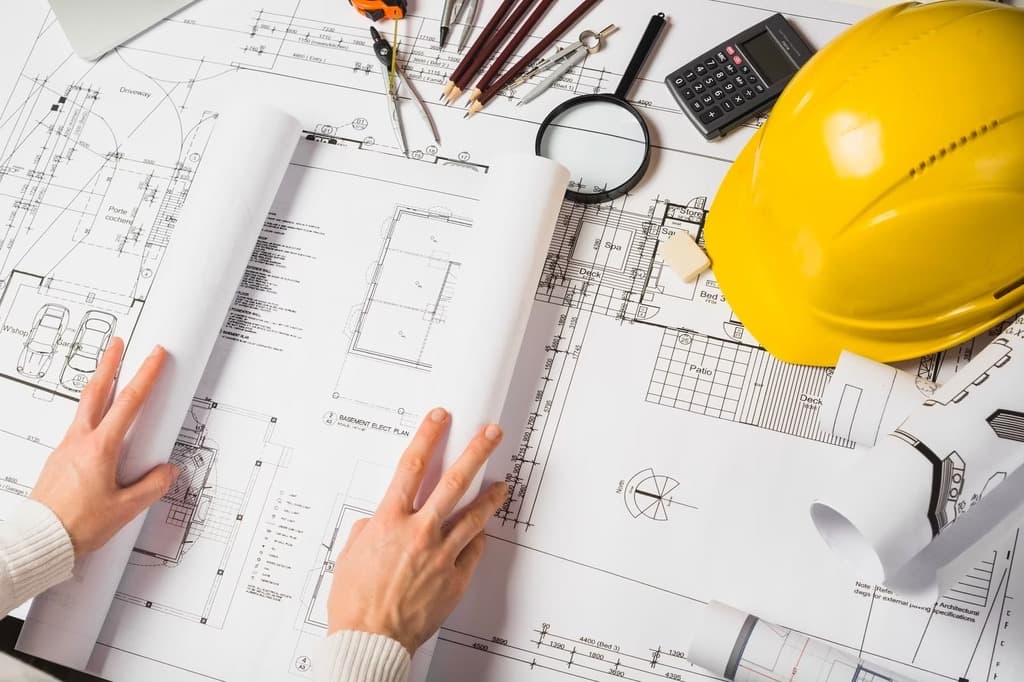
After setting a strong foundation, the project moves into the design phase. Architects and engineers play significant roles in shaping the idea into workable plans. Designers draft blueprints that translate the concept into visual, measurable details. These drafts cover all essential aspects—layout, dimensions, structural details, and even preliminary selections for materials. During this phase, input from other experts, like structural engineers and interior designers, enhances the plans. Revisions often occur as different ideas are explored. Finalizing these designs results in detailed documents that guide the construction phase.
3. Pre-Construction
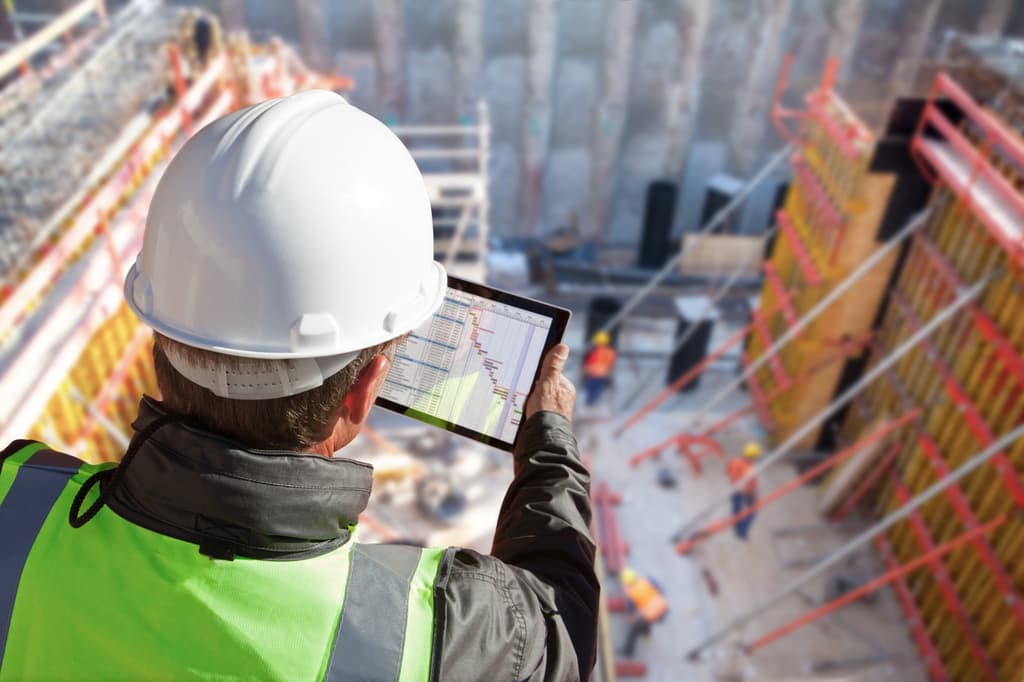
Before any construction begins, preparations need attention. The pre-construction phase ensures everything is in place for a smooth build. Contractors review final plans, secure permits, and schedule the necessary resources. This phase also includes budget finalization, project scheduling, and resource allocation. Safety plans and risk assessments are addressed, ensuring compliance with legal and regulatory requirements. Hiring subcontractors and acquiring materials fall under this stage, as do logistics, like setting up temporary utilities on-site. This preparatory work allows construction to proceed without delays, interruptions, or unforeseen issues.
4. Procurement
Once everything is set, procurement can begin. This phase involves acquiring the labor, equipment, and materials needed. A well-executed procurement process keeps projects on budget and on time. Project managers and procurement specialists collaborate to select reliable suppliers. Ensuring that materials and equipment arrive as needed helps avoid delays. Often, contractors work within budgets established earlier, selecting vendors that can supply quality goods promptly. Effective procurement builds a strong foundation for smooth, efficient construction.
5. Construction
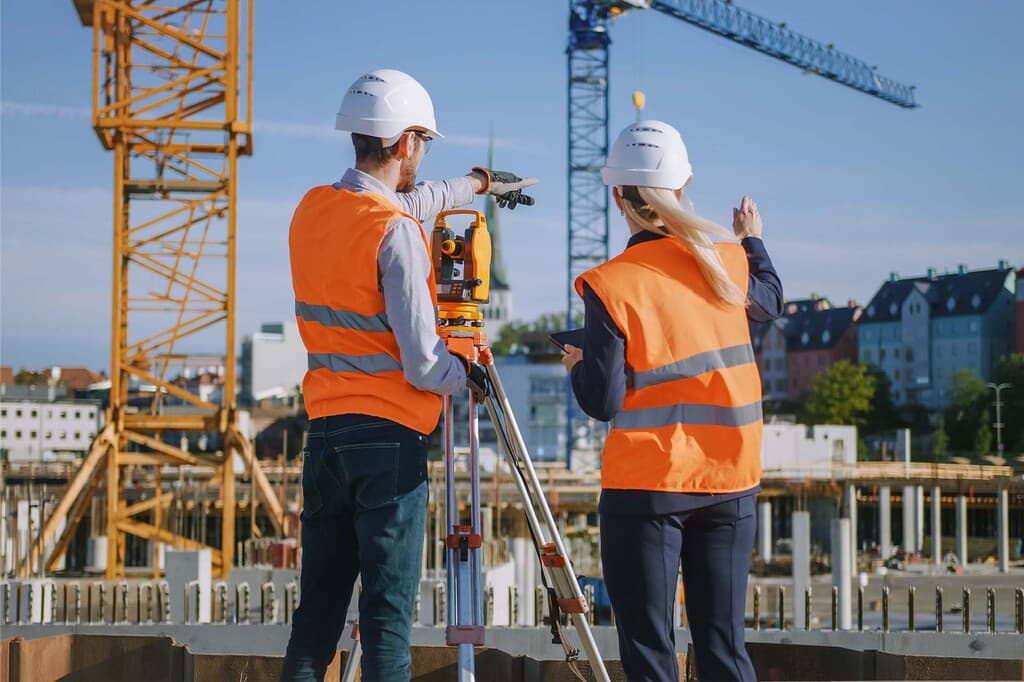
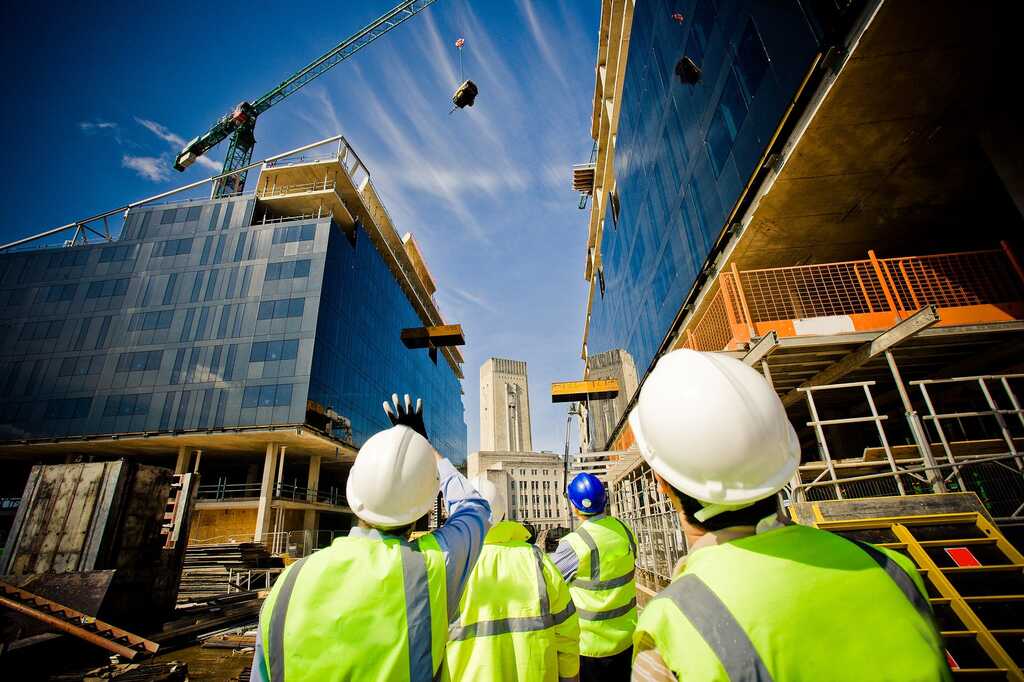
With resources and plans in place, construction begins. This phase often sees several teams working together on-site, from electricians and plumbers to carpenters and masons. Daily site management is essential for monitoring progress, ensuring quality, and addressing issues as they arise. Effective communication between contractors and clients also occurs here, keeping everyone informed about milestones and any changes. Routine inspections help identify potential issues early, maintaining safety and quality standards. This phase transforms the paper plans into a tangible structure, moving closer to completion each day.
6. Commissioning
Once construction wraps up, commissioning begins. This phase focuses on ensuring that every part of the building functions as intended. Systems, including electrical, plumbing, and HVAC, undergo thorough testing. Commissioning also involves ensuring compliance with building codes and safety regulations. Sometimes, independent inspectors review the work, offering an objective perspective on quality. Any adjustments needed are addressed before the building is handed over. Completing this phase ensures that the project is ready for occupancy or operational use.
7. Handover and Closeout
After successful commissioning, the project moves to the closeout phase. This is when the finished building gets formally handed over to the client. Documentation, including warranties, operation manuals, and final reports, is provided to help the client manage the property effectively. Contractors may also conduct training sessions, helping the client understand the operation and maintenance of various systems. Final inspections confirm that all contractual obligations are fulfilled. After this transfer, the client assumes responsibility for the property, and the contractor's role formally concludes.
8. Post-Construction
Even after the project’s completion, some elements continue in post-construction. This phase involves regular maintenance, ensuring the building operates effectively and efficiently. Many clients establish maintenance contracts with contractors or service providers to ensure that upkeep is timely. Periodic inspections and evaluations help assess the structure's long-term performance. Understanding what works well and what needs adjustment provides valuable insights for future projects. This phase, though often overlooked, is vital for the building's longevity and functionality.
Why Understanding the Construction Lifecycle Matters
Each phase of a construction project serves a purpose. From the first idea to the final handover, each stage ensures that the project meets safety, quality, and operational standards. When everyone involved understands these phases, communication improves, expectations match, and collaboration strengthens. This leads to better outcomes and fewer misunderstandings.
Understanding this lifecycle also allows clients to make informed decisions. Knowing the order of events and their purpose gives clients clarity, helping them stay engaged and aware. Contractors benefit from this clarity as well, as clear communication aids in smoother operations and timely adjustments.
Connect with us today for a consultation on how to bring your vision to life!
FAQ
1. What is the first phase of a construction project?
The lifecycle begins with conceptualization, where feasibility, budget, and project goals are defined.
2. Why is pre construction important?
Pre construction ensures permits, budgeting, scheduling, and risk planning are completed before site work begins.
3. What happens during commissioning?
All building systems are tested to confirm they operate according to design and regulatory standards.
4. What documents are provided during handover?
Clients receive warranties, operation manuals, compliance certificates, and final reports.
5. Does involvement end after handover?
Not entirely. Post construction includes maintenance, inspections, and performance evaluations to ensure long term building efficiency.