
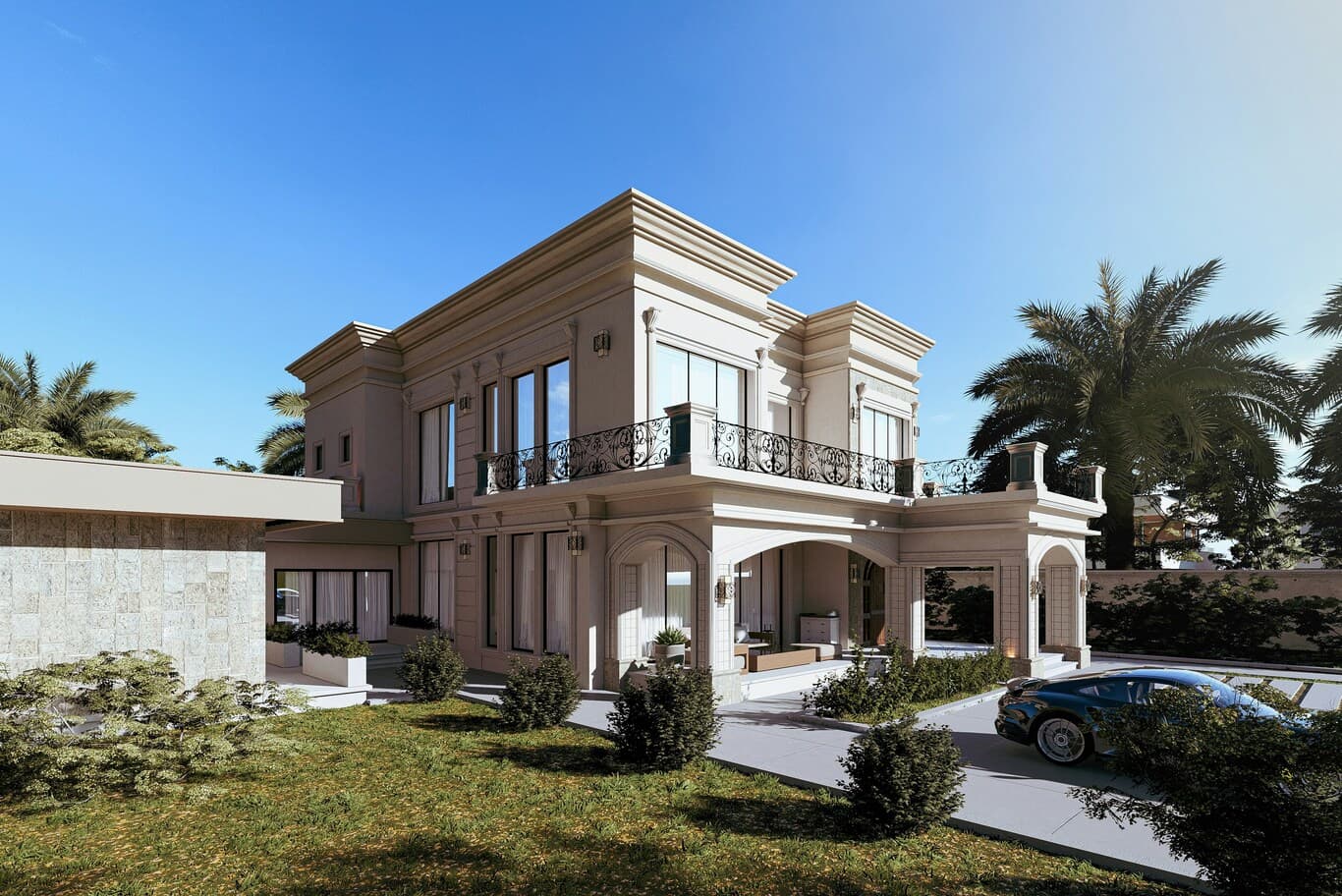
Detailed 2026 cost guide for villa and apartment renovation in Dubai, covering per sq ft rates by finish level, room-by-room budgets, approval requirements, and community-specific cost drivers.
Renovation spending in Dubai has reached a structural high. With villa prices rising 15.16% year-on-year as of December 2025 according to the REIDIN Residential Market Sales Price Index, and secondary market transactions accounting for 28.7% of all January 2026 sales activity, an increasing share of Dubai property owners are choosing to upgrade what they have rather than move. The calculation is straightforward: in a market where well-renovated villas command a 12 to 18% premium over comparable unrenovated stock, the renovation budget is often the most productive capital a homeowner can deploy.
The challenge is that renovation costs in Dubai are genuinely difficult to estimate from first principles. Every project is shaped by the property's starting condition, the community's developer rules, the MEP systems' age, the finish specification, and the approval requirements that apply to the specific scope of work. Two villas of identical size in different communities can carry renovation budgets that differ by 40% before a single design decision is made. The essential guide to successful home renovation and remodelling covers the foundational principles that apply regardless of property type or community.
This guide works through the full cost landscape for 2026 — villa and apartment, room by room, finish level by finish level — with real market benchmarks, the costs that frequently go unbudgeted, and the approval framework that governs what requires a permit and what does not.
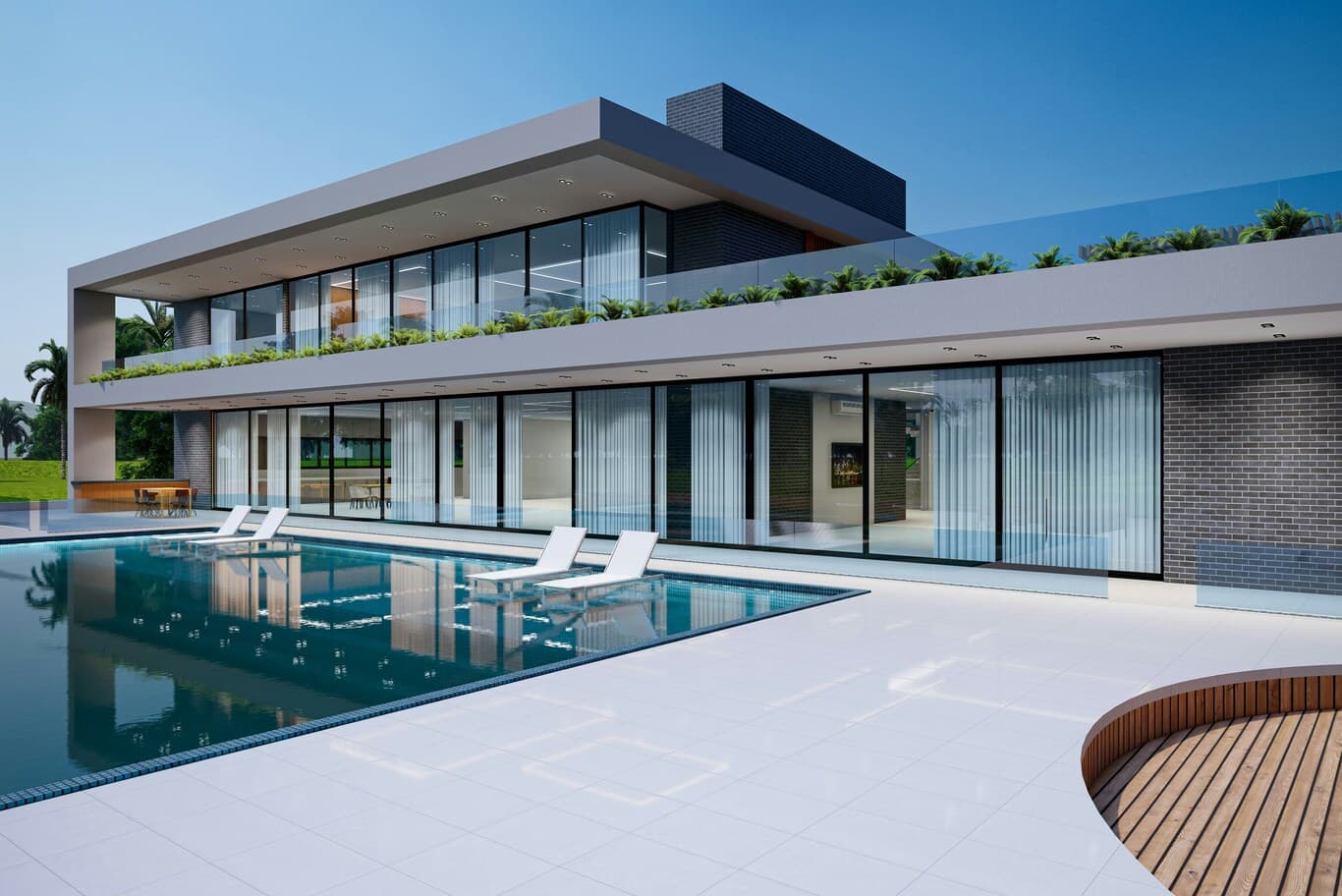
The Dubai Property Market Context for Renovation in 2026
Understanding why renovation is attracting serious investment in 2026 requires a brief look at the market conditions driving the decision.
Dubai's citywide weighted-average residential values reached AED 1,689 per sq ft in December 2025, up 19.8% year-on-year, with villas continuing to outperform apartments according to ValuStrat. Villa and townhouse properties are absorbing quickly due to limited supply, and the supply constraint is driving accelerating prices in established communities. According to Construction Week, prime residential villas have delivered 8 to 15% annual ROI over the past several years, depending on community and build quality.
In this environment, renovation serves three overlapping purposes. For owner-occupiers, it modernises an ageing property to contemporary living standards — open-plan layouts, smart home integration, updated kitchens and bathrooms. For investors, renovation is a yield and capital value tool: a well-executed upgrade in Arabian Ranches, Dubai Hills, or The Springs can justify a rental premium of AED 20,000 to 50,000 per year over comparable unrenovated units. For sellers, condition is now a primary resale differentiator in the secondary villa market.
Approximately 86% of Dubai's upcoming supply pipeline is apartments, which means the villa stock is ageing and the gap between a renovated and unrenovated property continues to widen. This dynamic makes the renovation cost calculation increasingly important for any property owner in a mature community.
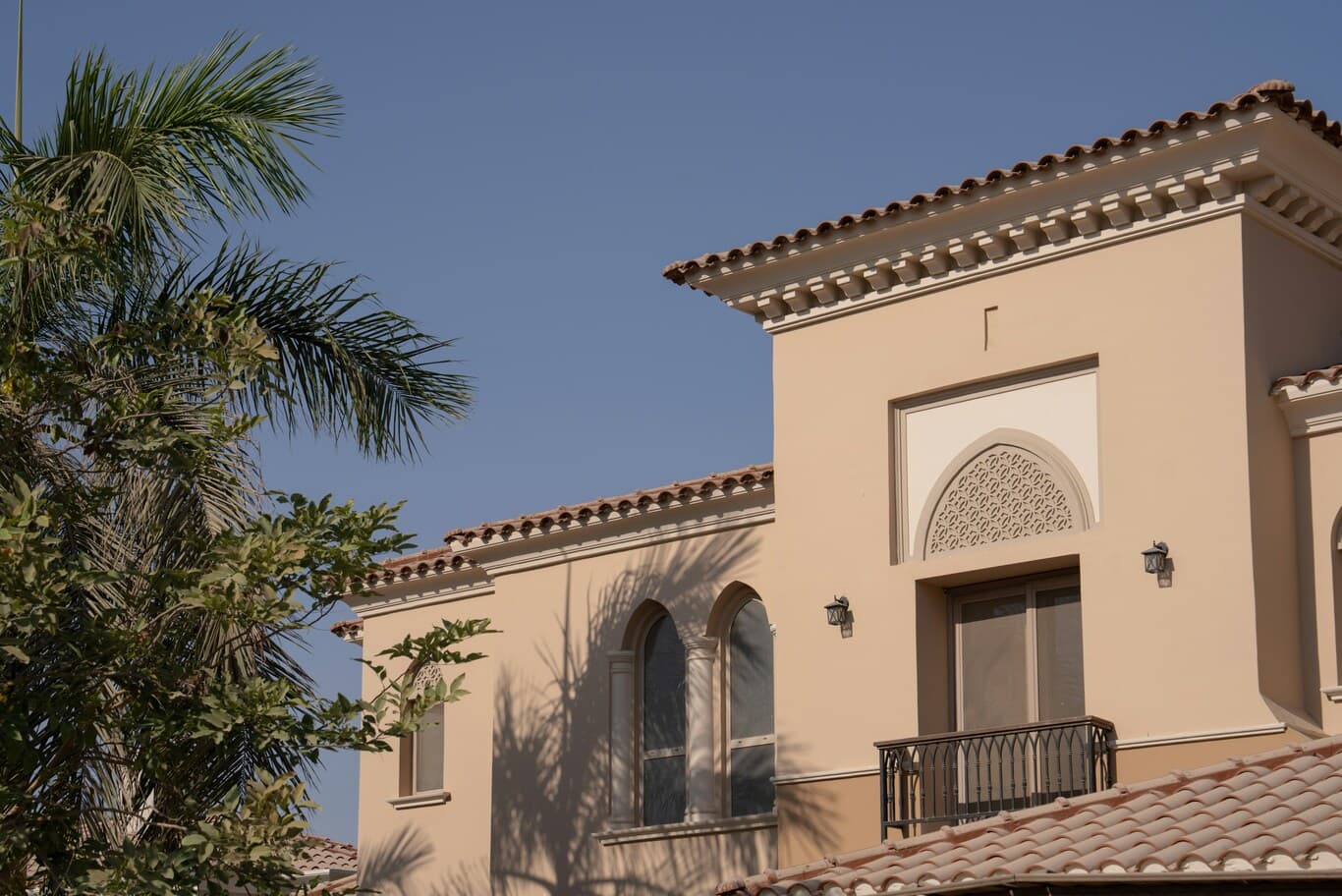
What Drives Renovation Cost in Dubai
Before cost benchmarks make sense, it helps to understand the variables that cause two apparently similar projects to land at very different numbers.
Property type and size. Villas are structurally more complex than apartments. They have private MEP systems — independent air conditioning plant, external drainage, private electrical panels — rather than the centralised building systems that apartments share. MEP upgrades in a villa are scoped and costed entirely by the owner. In an apartment, the building's central infrastructure limits what can be changed. Apartments cost less overall in total budget but more per square foot due to logistics constraints and building restrictions. Lift access rules, working hour restrictions, waste removal protocols, and mandatory protection of common area finishes all add labour time and cost to apartment renovations.
Finish specification. This is the single biggest variable within any project. The difference between locally sourced porcelain tile at AED 45 per sqm and imported Italian Calacatta marble at AED 800 per sqm compounds quickly across a villa. The same logic applies to kitchen joinery, sanitaryware, lighting, and flooring. A budget renovation and a luxury renovation of the same 400 sqm villa shell are genuinely different projects — not variations of the same one.
Community and developer rules. Every established community in Dubai operates under developer design rules that govern the scope of permitted works. Emaar communities — Arabian Ranches, Dubai Hills Estate, The Springs, Meadows — require a NOC from Emaar before works commence and impose restrictions on façade changes, external additions, and structural alterations. Nakheel communities — Palm Jumeirah, Jumeirah Islands, JVC — have their own approval frameworks. Works that exceed community rules, or that begin without the required NOC, can result in stop-work orders and forced reinstatement.
Structural scope. Cosmetic renovation — new flooring, paint, joinery, light fixtures — is the least expensive category. The cost escalates significantly when work moves into structural territory: removing walls, relocating wet areas, modifying drainage runs, reconfiguring the electrical distribution board. Structural changes also trigger Dubai Municipality approval requirements and extend the project timeline.
Property condition and hidden costs. Secondary market properties in mature communities often carry concealed issues that surface only when work begins: waterproofing failures behind tiles, outdated electrical wiring that does not comply with current standards, deteriorated AC ducting, and drainage systems that have not been maintained. A contingency of 15 to 20% above the quoted construction cost is the standard recommendation for any renovation project in Dubai, and it is based on real market experience rather than caution for its own sake. For older properties requiring more substantial structural intervention, the guide to retrofitting old buildings in Dubai covers the technical and regulatory approach to bringing ageing structures up to current standards. Properties near the coast carry additional risk — the guide to effective moisture control in luxury villas by the sea details the waterproofing and ventilation measures that protect coastal properties from humidity-driven deterioration.
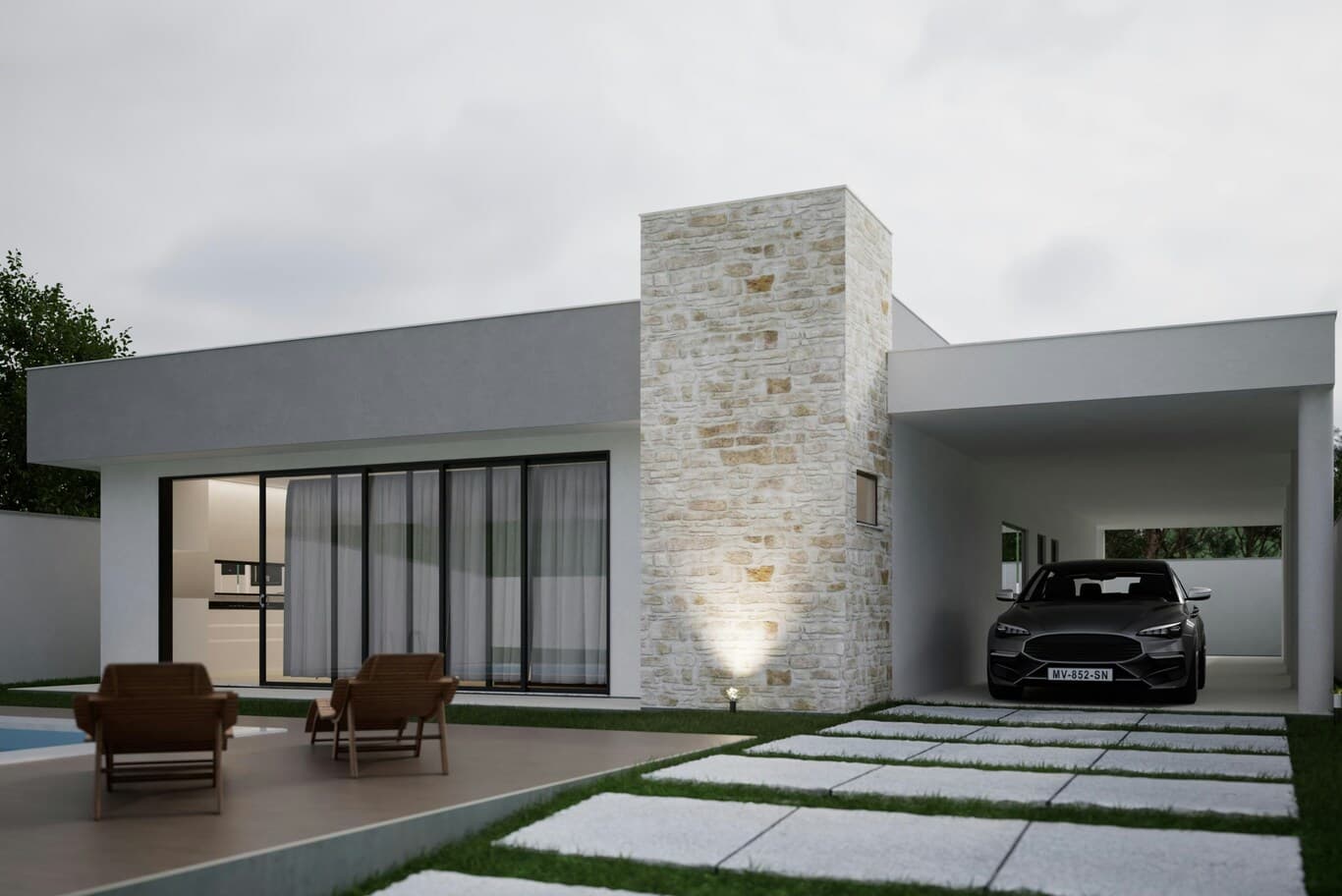
Villa Renovation Costs: Per Square Foot by Finish Level
Villa renovation in Dubai is most reliably estimated on a per-square-foot basis for full renovation scopes, and room-by-room for targeted upgrades.
Basic Renovation — AED 250 to 400 per sq ft
Basic renovation covers functional upgrades without premium materials or structural changes. The typical scope includes replacing floor tiles with locally sourced porcelain or ceramic, repainting all internal surfaces, replacing kitchen cabinetry with prefabricated units, updating bathroom fixtures with mid-market sanitaryware, refreshing electrical sockets and light fixtures, and servicing or replacing AC filters and ducting where deteriorated.
Basic renovation is suitable for villas in communities like The Springs, Meadows, and JVC that are in decent structural condition and where practical upgrades deliver the best return on investment. For a 3-bedroom villa of approximately 2,500 sq ft, a basic renovation at this specification runs AED 625,000 to AED 1,000,000.
Mid-Range Renovation — AED 400 to 650 per sq ft
Mid-range renovation is the most common category for Dubai villa owners who want modern finishes, improved spatial flow, and a premium interior look without sourcing materials exclusively from international suppliers. The scope typically covers a mix of imported and locally sourced flooring — LVT, engineered wood, or better-grade porcelain — custom kitchen joinery with stone countertops, upgraded sanitaryware and shower systems, designer lighting and feature ceiling treatments, glass and aluminium partition works, some structural modifications where layout improvements are warranted, and a full MEP inspection with targeted upgrades.
Mid-range renovation is the appropriate level for established communities including Arabian Ranches, Dubai Hills Estate, and Jumeirah Islands, where the market expects a certain finish quality and buyers and tenants price the condition of the property accordingly. For a 3-bedroom villa of approximately 2,500 sq ft, mid-range renovation runs AED 1,000,000 to AED 1,625,000.
Luxury Renovation — AED 650 to 1,200+ per sq ft
Luxury renovation encompasses fully imported materials, bespoke joinery, architectural lighting design, smart home integration, and complex structural modifications. The typical scope covers Calacatta or Statuario marble flooring and wall cladding, custom millwork kitchen and wardrobe systems to measure, Gessi, Duravit, or equivalent premium sanitaryware, Lutron or Crestron smart lighting and climate control, advanced AV and security systems, and often external works including pool renovation, landscaping, and pergola or terrace additions.
Smart home specification is the area that most frequently creates budget surprises at the luxury level. Cabling infrastructure, conduit runs, and equipment housing all need to be designed into the project before walls are closed — retrofitting automation into a completed renovation is significantly more expensive than installing it during construction. The planning guide for smart home integration during villa construction covers how to sequence these decisions correctly so that infrastructure choices are made before finishing works begin.
Luxury renovation is standard in premium villa communities such as Emirates Hills, Palm Jumeirah, and Dubai Hills Estate's premium plots. For a 4-bedroom villa of approximately 4,000 sq ft in these communities, a full luxury renovation runs AED 2,600,000 to AED 4,800,000 before external works. For owners weighing a full luxury renovation against demolition and rebuild — a calculation that becomes relevant at this cost level — the luxury villa construction process from design to handover sets out how a full high-specification build is structured, which provides the cost comparison baseline.
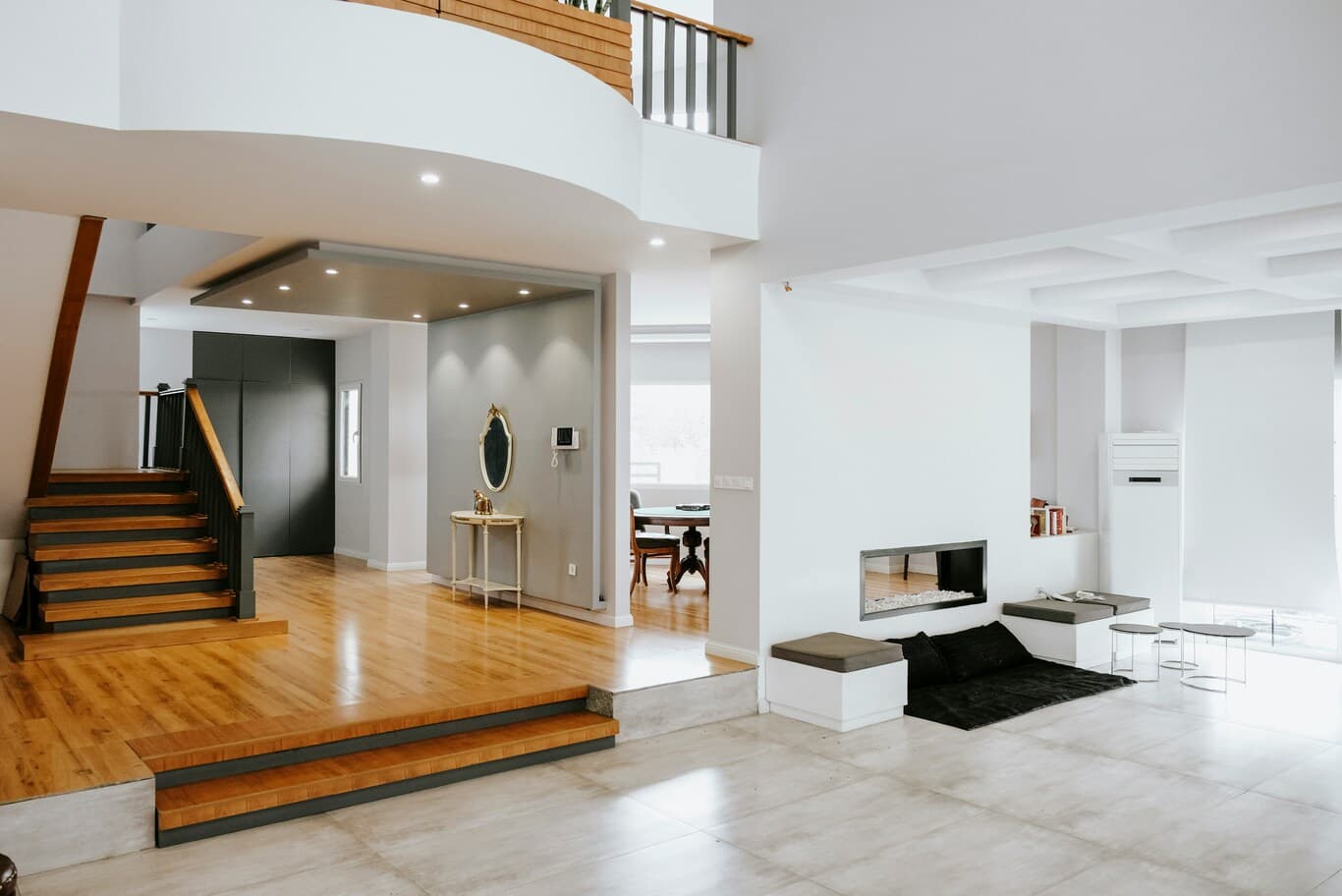
Villa Renovation: Room-by-Room Cost Breakdown
For owners renovating specific areas rather than the full property, the following 2026 benchmarks reflect current market pricing across Dubai.
Kitchen Renovation
The kitchen is the single highest-impact renovation upgrade for both resale value and rental yield. Kitchen renovation is the single most impactful upgrade a Dubai villa owner can make, delivering both lifestyle value and measurable resale uplift.
A basic kitchen refresh — new countertops, splashback, repainting, hardware replacement with the existing layout preserved — runs AED 45,000 to AED 80,000. A mid-range kitchen renovation with custom cabinetry, stone countertops, integrated appliances, and updated plumbing runs AED 80,000 to AED 180,000. A full luxury kitchen replacement with bespoke joinery, premium stone, Gaggenau or Miele appliances, and layout reconfiguration runs AED 180,000 to AED 400,000 and above.
The cost jumps materially when the kitchen layout is being changed — relocating drainage, moving gas connections, and modifying the electrical distribution to support high-draw appliances all require DEWA load assessment and DM approval for the structural elements involved.
Bathroom Renovation
Bathroom renovation in Dubai is frequently the most budget-sensitive room because the market expectation for bathroom finishes in a premium community is high, and the difference between a dated bathroom and a renovated one is immediately apparent to buyers and tenants.
A basic bathroom upgrade — new tiles, fixtures, and shower screen with the existing layout preserved — runs AED 15,000 to AED 35,000 per bathroom. A mid-range renovation with full strip-out, new waterproofing membrane, Duravit or equivalent sanitaryware, stone feature wall, and frameless glass shower enclosure runs AED 35,000 to AED 80,000 per bathroom. A luxury master bathroom with full marble cladding, freestanding bath, smart shower systems, and heated floors runs AED 80,000 to AED 180,000.
The waterproofing membrane under the tile bed is the most consequential cost in any bathroom renovation — and the one most frequently cut by contractors looking to reduce their price. A failed waterproofing system is not discovered until water infiltrates the floor slab, at which point the remediation cost exceeds the original saving by a substantial margin. Any bathroom renovation quote that does not explicitly itemise a new waterproofing membrane application should be queried. A full breakdown of how to approach bathroom renovation planning is covered in the bathroom renovation guide for Dubai properties.
Flooring
Flooring costs in Dubai are driven primarily by material choice and floor area. For 2026:
Locally sourced ceramic or standard porcelain: AED 35 to 55 per sq ft supply and install. Better-grade imported porcelain, large-format tiles (600x1200mm or larger): AED 65 to 110 per sq ft. Engineered wood or high-quality LVT: AED 80 to 140 per sq ft. Natural stone — travertine, limestone, marble: AED 120 to 350 per sq ft depending on grade and origin. Bespoke hand-selected marble with bookmatching: AED 350 to 700+ per sq ft.
These are supply-and-install rates including adhesive, grout, floor levelling compound, and grouting. They do not include demolition of existing floor finishes, which adds AED 10 to 20 per sq ft depending on the depth and adhesion of the existing layer.
One decision that significantly affects flooring cost is tile format. Large-format tiles — 600x1200mm and above — require a flatter substrate, which usually means additional floor levelling compound and longer preparation time. They also generate more off-cut waste on irregular floor shapes. The installation cost for large-format tiles is typically 25 to 35% higher per sq ft than standard 600x600mm tiles at the same material price point, purely due to labour time and skill requirement.
For a broader picture of how material and labour costs stack up across all construction types in Dubai in 2026, the construction cost breakdown guide provides benchmarks across residential, commercial, and infrastructure sectors. Where renovation budgets are under pressure, value engineering in construction is the systematic approach to reducing cost without compromising structural performance or finish quality — it applies directly to material specification decisions like flooring grade and tile format.
Painting
Interior repainting with quality emulsion — Jotun, Dulux, or equivalent — runs AED 10 to 18 per sq ft of wall and ceiling area for a standard two-coat application. Feature wall treatments with textured finishes, specialist paints, or decorative coatings run AED 25 to 60 per sq ft. External painting adds AED 20 to 40 per sq ft depending on the facade area and access equipment required.
AC System Replacement
Air conditioning is frequently the most expensive single system in a villa renovation budget, and the one most consistently underestimated. A full ducted AC system replacement for a 2,500 sq ft villa — including new fan coil units, ducting, grilles, and controls — runs AED 80,000 to AED 150,000 depending on the brand and configuration. Partial replacements and service-only programmes are significantly cheaper, but a 15-year-old AC system in a secondary market villa typically warrants full replacement for energy efficiency and reliability reasons.
The choice of system type materially affects both cost and long-term running expense. A standard split-system replacement is the lowest capital cost option, appropriate for smaller villas or targeted room-by-room upgrades. A ducted central system provides uniform temperature distribution throughout the property and is the market expectation in mid-to-premium communities — the installation cost is higher but the outcome in terms of comfort and resale appeal is substantially better. A Variable Refrigerant Flow (VRF) or VRV system is the premium option: individual zone control, higher energy efficiency, and a significantly lower noise footprint. VRF systems are increasingly specified in luxury renovation projects in Emirates Hills and Palm Jumeirah, where the upfront cost of AED 200,000 to AED 350,000 for a large villa is offset by operating savings and buyer expectations at that market level.
DEWA load implications are a practical constraint. A full system replacement that increases the connected electrical load beyond the property's current DEWA allocation requires a load amendment application — a process that adds cost (AED 5,000 to AED 45,000 depending on the load increase) and several weeks to the programme. This is a critical path item and should be identified during the pre-renovation MEP survey, not discovered after the system has been specified.
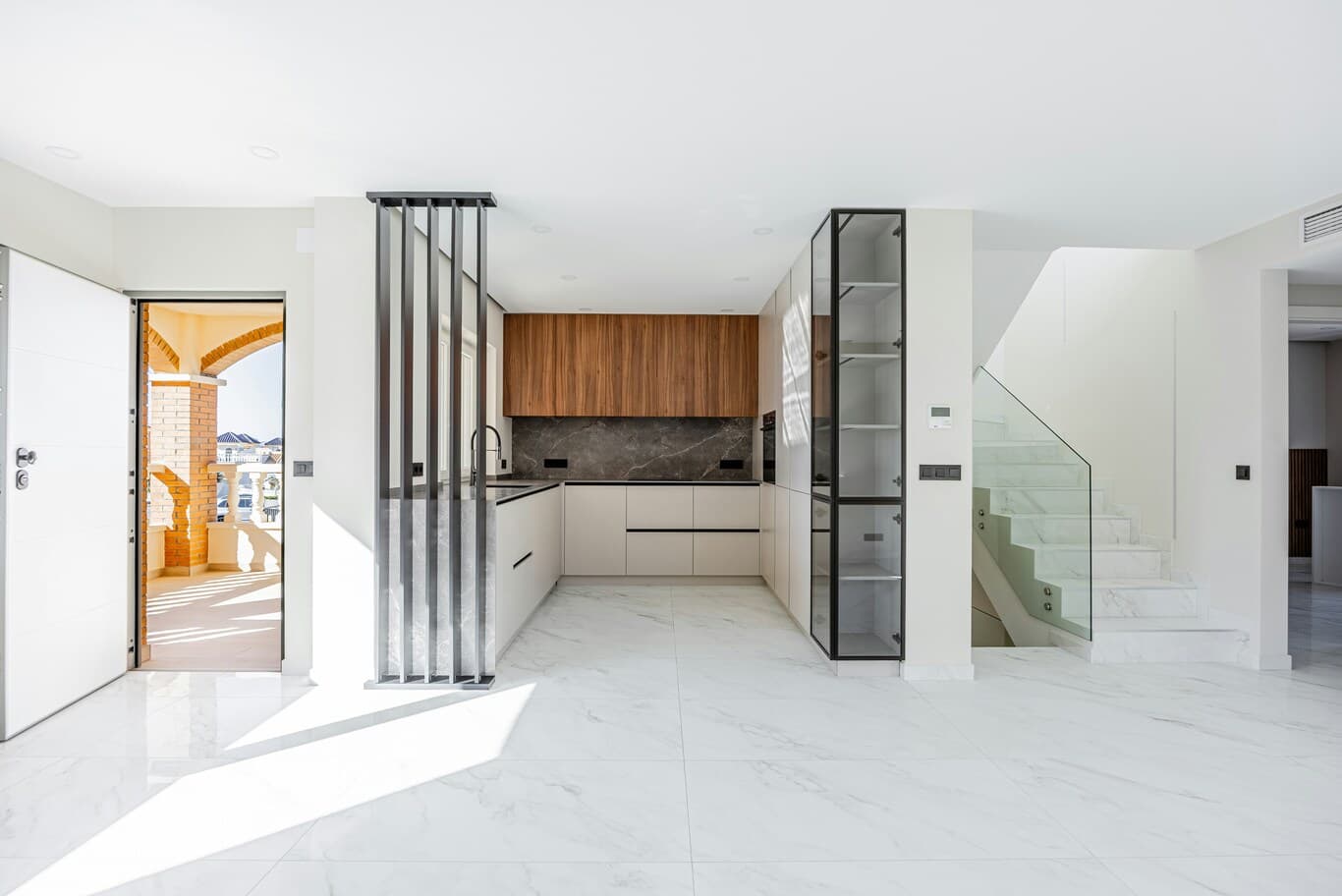
Apartment Renovation Costs: Per Square Foot by Finish Level
Apartment renovation costs operate on a different framework from villa renovation. Cost is shaped by context in Dubai's apartment market — square footage matters, but efficiency matters more. Apartments with clean geometry and logical service zones renovate faster and generate less material waste than smaller units with awkward angles or excessive partitioning.
The building itself is a significant factor that villa renovation does not present in the same way. Every apartment renovation operates within the management rules of the building, the physical constraints of shared service shafts and risers, and the working hour restrictions imposed by the building management. These constraints affect labour cost, programme length, and what is physically possible within the scope. A contractor who has renovated multiple units in the same building brings knowledge of the building's specific quirks — lift access dimensions, waste chute locations, floor screed depth — that reduces both cost and programme risk compared to a contractor working in that building for the first time.
Basic Apartment Refresh — AED 150 to 300 per sq ft
At this level: fresh paint throughout, new flooring in LVT or standard porcelain, updated kitchen hardware and countertops, new light fixtures, and basic bathroom refresh without relocating any drainage. For a 1,000 sq ft one-bedroom apartment, a basic refresh runs AED 150,000 to AED 300,000. This level is well-suited to investors looking to improve rental appeal before re-letting or to owner-occupiers in buildings where the common infrastructure is newer and does not require system upgrades.
Mid-Range Apartment Renovation — AED 300 to 600 per sq ft
Full strip-out and rebuild of kitchen and bathrooms, custom joinery, mid-grade imported tiles, designer lighting, AC service or partial replacement, and electrical distribution update. For a 1,200 sq ft two-bedroom apartment, mid-range renovation runs AED 360,000 to AED 720,000. This level is the most common for Dubai investors targeting the long-stay corporate rental market in Business Bay, Dubai Marina, and JLT, where the quality of the fit-out directly affects achievable rent.
Luxury Apartment Renovation — AED 600 to 1,000+ per sq ft
Premium imported materials throughout, bespoke kitchen and wardrobe joinery, full bathroom renovation with premium sanitaryware, smart home controls, and specialist feature lighting. For a 1,500 sq ft two-bedroom in Downtown Dubai, DIFC, or Dubai Marina, luxury renovation runs AED 900,000 to AED 1,500,000. At this level, the renovation is competing with new-build specification, and the finish quality needs to be commensurate with the rental or resale price the owner is targeting.
A practical note on kitchen renovation in apartments: in most Dubai apartment buildings, gas is not available and cooking is electric or induction. Kitchen renovation in an apartment therefore does not carry the gas connection complexity of a villa kitchen, but the electrical distribution to the hob and oven must be confirmed adequate before joinery is specified — integrated double ovens and induction hobs together may require a 32-amp dedicated circuit that older buildings do not have in place.
Renovation Approval Costs and Requirements in Dubai 2026
Approval requirements are one of the most consistently underestimated cost and timeline items in Dubai renovation budgets. The regulatory framework in 2026 operates under Dubai Municipality's Building Permit System (BPS), with all submissions processed digitally and subject to Al Sa'fat 2.0 sustainability compliance checks. The contractor's complete guide to Dubai building permits and regulations covers the full DM submission process, including document requirements for different project types.
What Requires a Permit
Works that require a Dubai Municipality permit include: any structural modification — removal or addition of walls, changes to floor slab openings; relocation of wet areas — moving kitchen sink drainage, bathroom drainage runs, or toilet positions; changes to the electrical distribution board; new or modified AC systems where ductwork runs are altered; façade changes visible from the street or community; and any work involving the building envelope — roof, external walls, balcony enclosure.
Cosmetic works — repainting, replacing flooring like-for-like, installing new kitchen units in the same position, replacing bathroom tiles and fixtures without moving drainage — do not require a DM permit. A simple permit costs AED 1,000 to 5,000 for the DM application. For works requiring engineering drawings, a licensed consultant must prepare and stamp them, adding AED 3,000 to AED 10,000. For DEWA load amendments — required when adding a pool chiller, home server rack, or significantly upgraded AC system — connection fees can reach AED 45,000 depending on the load increase required.
Community NOC Requirements
In addition to DM approval, any renovation in a managed community requires a No Objection Certificate from the developer or community management before works commence. Emaar, Nakheel, DAMAC, Meraas, Dubai Properties, and Wasl all operate individual NOC processes with different requirements, documentation, and fees.
Emaar community NOCs typically require submission of a scope description, contractor details, DM-licensed contractor confirmation, and a refundable security deposit — typically AED 5,000 to AED 20,000 — held against damage to community infrastructure. The processing time for a standard Emaar NOC runs two to four weeks. Nakheel Palm Jumeirah works require Trakhees clearance in addition to the community NOC, which adds a parallel approval track to the programme.
A permit obtained from DM but used to commence works without the community NOC is still a violation — both approvals are required, and the sequence matters.
Permit Cost Summary for a Typical 4-Bedroom Villa Renovation with Structural Changes
DM permit application and processing: AED 8,000 to AED 18,000. Licensed consultant fees for drawings preparation: AED 12,000 to AED 25,000. Community NOC and security deposit: AED 10,000 to AED 30,000 (deposit refundable). DEWA load assessment (if required): AED 5,000 to AED 45,000 depending on load change. Total approval budget: AED 35,000 to AED 118,000 for a structurally complex villa renovation.
Cosmetic-only renovations where DM permit is not required still need the community NOC — the approval budget for these projects typically runs AED 5,000 to AED 25,000 including the security deposit.
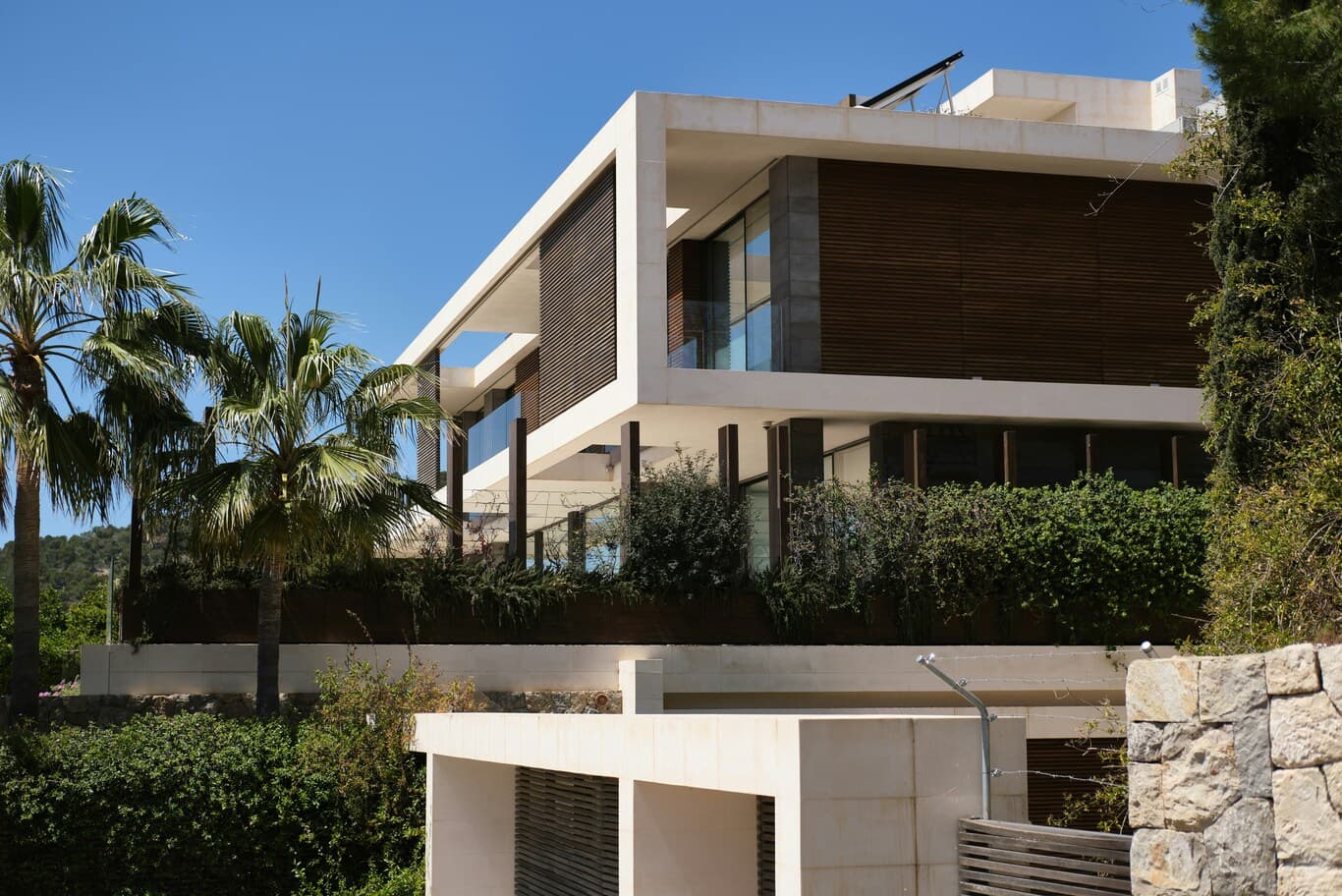
Case Study: Mid-Range Villa Renovation, Arabian Ranches — 3BR, 2,800 sq ft
Property: A three-bedroom villa in Arabian Ranches purchased on the secondary market. Built 2007, last renovated 2014. The owner's brief covered a full interior renovation to contemporary standards, a kitchen upgrade, and a pool resurfacing — no structural changes.
Pre-renovation survey findings: The survey identified two issues that were not visible before work began. The master bathroom had a failed waterproofing membrane — water had been tracking through the floor slab into the garage ceiling below for an extended period. The kitchen's AC supply was insufficient for the reconfigured open-plan layout the owner wanted. Both were addressed in the project scope before finishing works commenced.
Scope and costs:
Full interior flooring replacement — 2,800 sq ft, large-format grey porcelain throughout ground floor and engineered oak on first floor: AED 185,000. Kitchen renovation — custom handleless joinery, Dekton countertops, integrated Bosch appliances, open-plan reconfiguration without moving drainage: AED 145,000. Three bathroom renovations — full strip-out with new waterproofing, Grohe fixtures, Italian tiles in master, mid-grade in secondary bathrooms: AED 170,000 (including waterproofing remediation in master). Interior painting throughout — Jotun Sens two-coat application, feature wall in living room: AED 38,000. AC service and partial duct replacement — full clean and service, replace deteriorated ducting in kitchen zone, two new fan coil units: AED 62,000. Joinery — wardrobes, TV unit, entry console: AED 95,000. Pool resurfacing — pebblecrete finish, new grout, replastering, filter service: AED 95,000. For owners considering a more extensive pool overhaul rather than a surface refresh, the guide to swimming pool construction for Dubai villas covers design options, Trakhees and community permit requirements, and full cost ranges for new builds and comprehensive replacements. Emaar NOC, DM cosmetic permit, security deposit: AED 18,500.
Total project cost: AED 808,500, plus a 15% contingency budget of AED 121,275 — of which AED 44,000 was used on the waterproofing remediation and the kitchen AC upgrade. Total actual spend: AED 852,500.
Post-renovation outcome: The property was listed for rent at AED 195,000 per year — AED 35,000 above comparable unrenovated three-bedroom listings in the same community. The renovation paid back 4.1% of the investment in additional annual yield in year one.
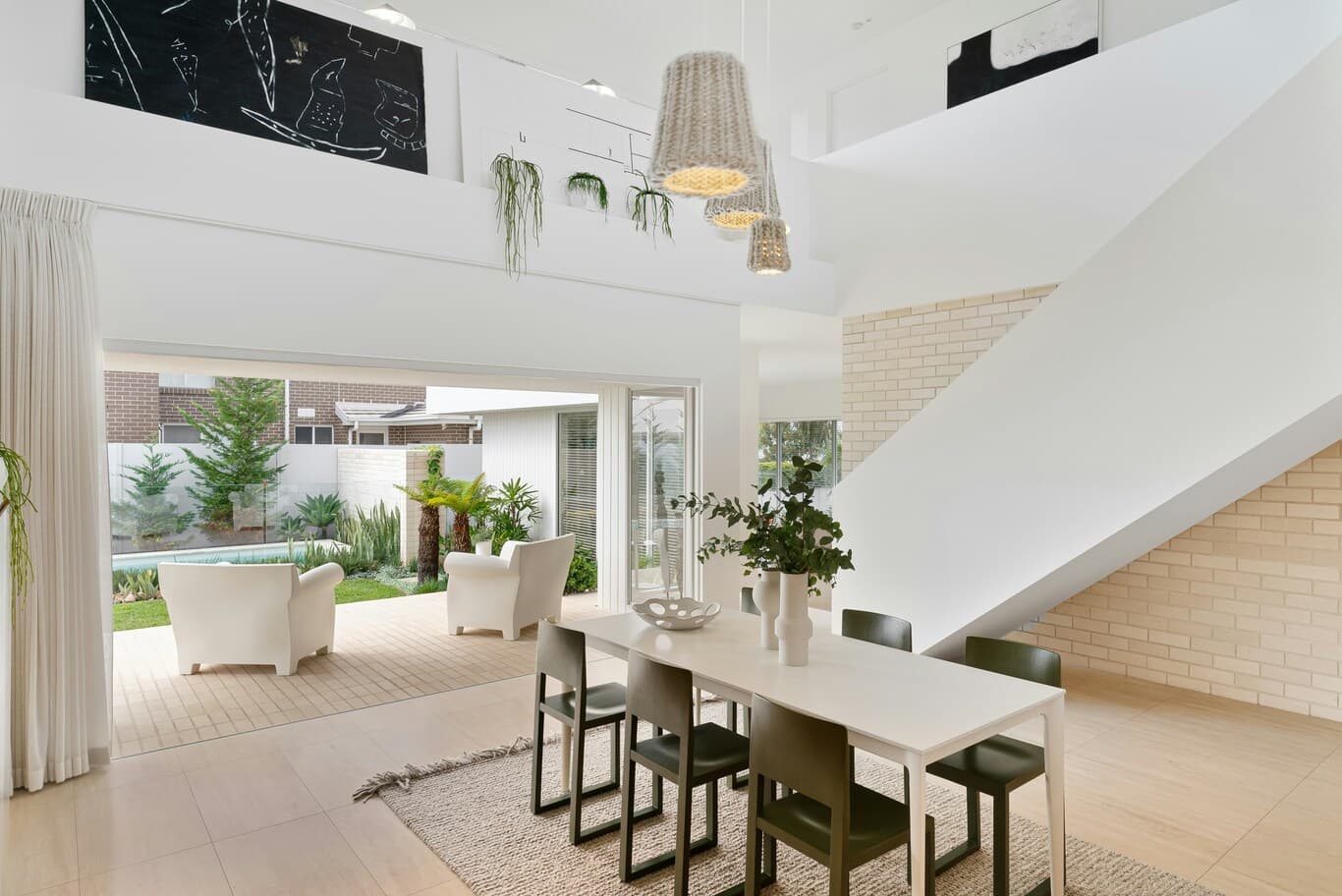
Case Study: Full Luxury Renovation, Palm Jumeirah Signature Villa — 6BR, 7,400 sq ft
Property: A six-bedroom signature villa on Palm Jumeirah purchased for owner-occupation. Built 2010, partially renovated by the previous owner. The new owner required a complete renovation to a premium specification with structural modifications — full open-plan ground floor, new master suite, and landscaping and pool overhaul.
Approval programme: Palm Jumeirah sits under Trakhees jurisdiction with additional Nakheel community NOC requirements. The approval programme ran parallel tracks: Trakhees structural approval for the wall removal and new staircase configuration, Nakheel NOC covering the façade changes to the pool and garden level, and DEWA load amendment for the upgraded home automation, pool heating, and EV charging installation. Total approval timeline: fourteen weeks. Total approval costs: AED 92,000 including DEWA connection fees.
Scope and costs:
Structural modifications — two ground-floor wall removals, new staircase, reinforced beam installation: AED 185,000. Full flooring — Calacatta marble ground floor, wide-plank engineered walnut upper floors: AED 680,000. Kitchen — bespoke island kitchen, custom handleless lacquer joinery, Gaggenau appliances, integrated wine storage: AED 520,000. Six bathrooms — full luxury specification with freestanding bath in master, Fantini fixtures, full marble cladding: AED 740,000. Joinery throughout — wardrobes, dressing room, study built-ins, TV and media joinery: AED 480,000. Smart home — Crestron lighting and climate control, integrated AV, security and camera system: AED 320,000. Interior painting and feature finishes — specialist lime plaster in entry, Jotun throughout: AED 95,000. AC full replacement — new Daikin VRV system, all new ducting and grilles: AED 320,000. External works — pool resurfacing, new decking, landscaping overhaul, pergola: AED 650,000. The guide to outdoor living spaces including pergolas, decks, and terraces for Dubai villas covers structural design, community permit requirements, and material selection for external additions. For landscaping elements specifically, the guide to decorative stonework in villa gardens details how stone pathways, walls, and water features are specified and installed in Dubai's premium communities. Approval costs: AED 92,000.
Total project cost: AED 4,082,000. Per square foot on the 7,400 sq ft internal area: AED 551 per sq ft.
Outcome: At this level of specification, the renovation cost represents a targeted investment in a property in a location where secondary market demand consistently exceeds supply. The owner's decision to renovate rather than purchase a newer property reflected both a specific location preference and a calculation that the renovation cost was substantially below the premium carried by equivalent turnkey stock.
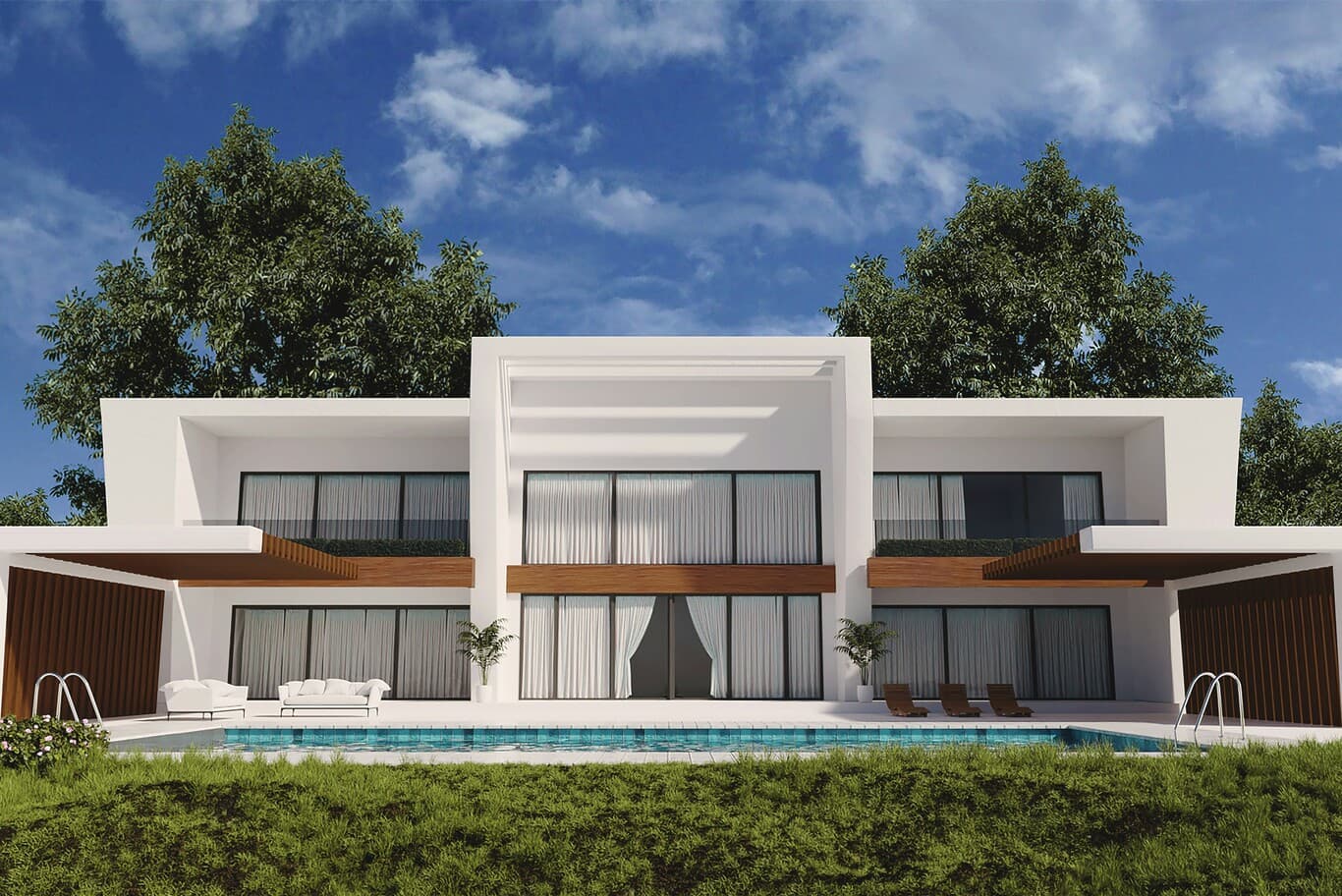
The True Cost of Renovation: What Gets Left Out of Initial Quotes
Years of delivering renovation projects across Dubai's villa communities show a consistent set of items that appear in the final account but were absent from the initial budget.
Demolition and disposal. Strip-out of existing flooring, tiles, kitchen units, bathroom fittings, and joinery generates significant waste volume. Licensed waste disposal in Dubai is a contractual requirement — skip hire and licensed disposal for a full villa strip-out runs AED 8,000 to AED 25,000 depending on volume.
Temporary protection. Renovation in a managed community requires protection of common area infrastructure — lobbies, lifts, corridors, and pavements — from construction traffic and materials. The community management may mandate specific protection standards as a condition of the NOC. Professional protection installation and removal adds AED 5,000 to AED 15,000 to the project cost.
Snagging and defects rectification. A properly structured renovation contract includes a snagging period after practical completion — typically four to six weeks — during which the contractor returns to address items that do not meet the specification. Factoring in a snagging contingency of 2 to 3% of contract value is standard. The guide to post-construction snagging, defects, and handover covers the snagging process systematically.
MEP inspection fees. A professional MEP inspection before work commences on a secondary market property costs AED 2,000 to AED 8,000 but routinely identifies issues that would cost three to five times more to remedy after finishing works are in place.
Professional fees. Interior designer fees for villa projects in Dubai typically run 8 to 15% of construction value. Project management fees for overseeing the contractor on behalf of the owner add a further 3 to 8%. These are not optional for complex projects — the savings from professional coordination almost always exceed the fee.
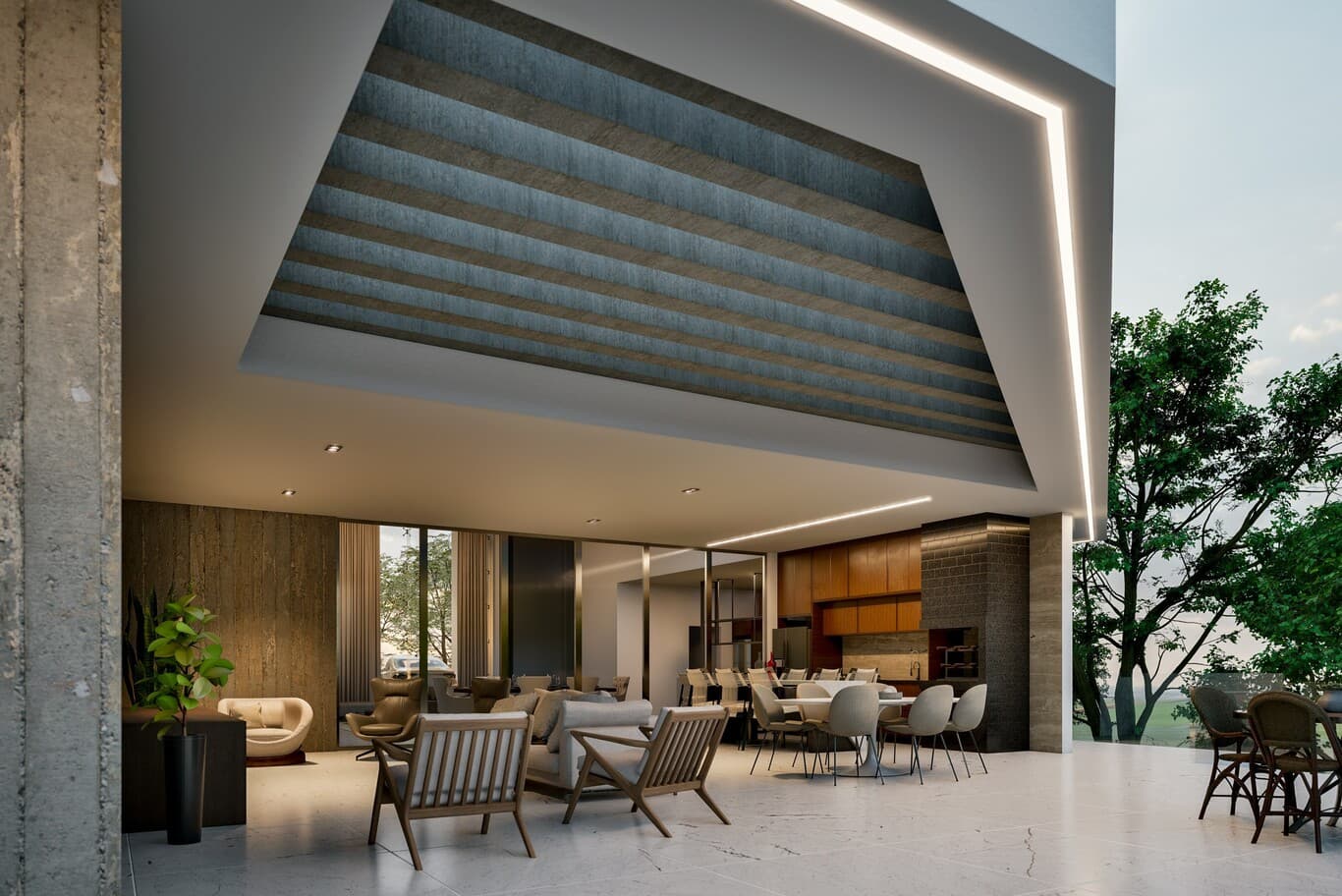
Renovation ROI by Community: Where the Investment Works Hardest
Renovation delivers different returns in different communities because the rental and resale market for each community has a defined ceiling — the maximum price a well-presented property in that area can achieve regardless of specification level.
Understanding what modern buyers and tenants actually want is essential to making renovation decisions that translate into yield and capital uplift. The guide to trends in residential construction and what homeowners want in modern livingcovers the features — open-plan layouts, smart home integration, outdoor living spaces, and wellness design — that the current market consistently rewards. Getting the design direction right before starting on site is equally important. Villa design ideas for city and countryside homes in Dubai illustrates the architectural approaches that translate into strong property appeal across the city's major communities.
Emirates Hills, Palm Jumeirah, Dubai Hills Estate (premium sector): There is no effective rental ceiling for premium specification in these locations. Well-renovated villas achieve AED 250,000 to AED 600,000+ per year in rental income. Luxury renovation investment has the highest ROI ceiling of any community in Dubai — and the buyer profile is sophisticated enough that the quality of finishes and the depth of smart home integration are evaluated rather than assumed.
Arabian Ranches, The Meadows, Jumeirah Islands: These are Dubai's strongest-performing secondary villa communities for renovation ROI. Strong buyer and tenant demand, limited new supply, and a well-established pricing premium for renovated over unrenovated stock make mid-range renovation investment reliable. The 12 to 18% resale premium cited by Knight Frank Q1 2026 is most consistently observed in this segment. A well-executed mid-range renovation in Arabian Ranches can lift annual rent from AED 140,000 to AED 175,000 for a three-bedroom villa — a yield uplift that returns the renovation investment in under ten years before any capital appreciation.
The Springs, JVC, Discovery Gardens: These communities reward practical, value-conscious renovation rather than premium specification. Basic to low mid-range renovation — updated flooring, refreshed kitchen and bathrooms, fresh paint — delivers the clearest ROI because the achievable rent and resale price align with that finish level. Overspecifying in these communities — installing imported marble in a Springs townhouse, for example — produces a property that costs more than the market will reward.
Dubai Marina, Downtown Dubai, DIFC (apartments): High rental yields — routinely 7% or above according to Better Homes — make renovation investment particularly effective for investors. A AED 300,000 renovation in a Downtown two-bedroom that lifts annual rent from AED 120,000 to AED 160,000 returns the full renovation investment in 7.5 years through the yield uplift alone, before capital appreciation. The short-term rental market in these areas adds another layer: a renovated, well-photographed apartment in Dubai Marina can achieve Airbnb rates that are 35 to 50% above the unfurnished long-stay rent equivalent.
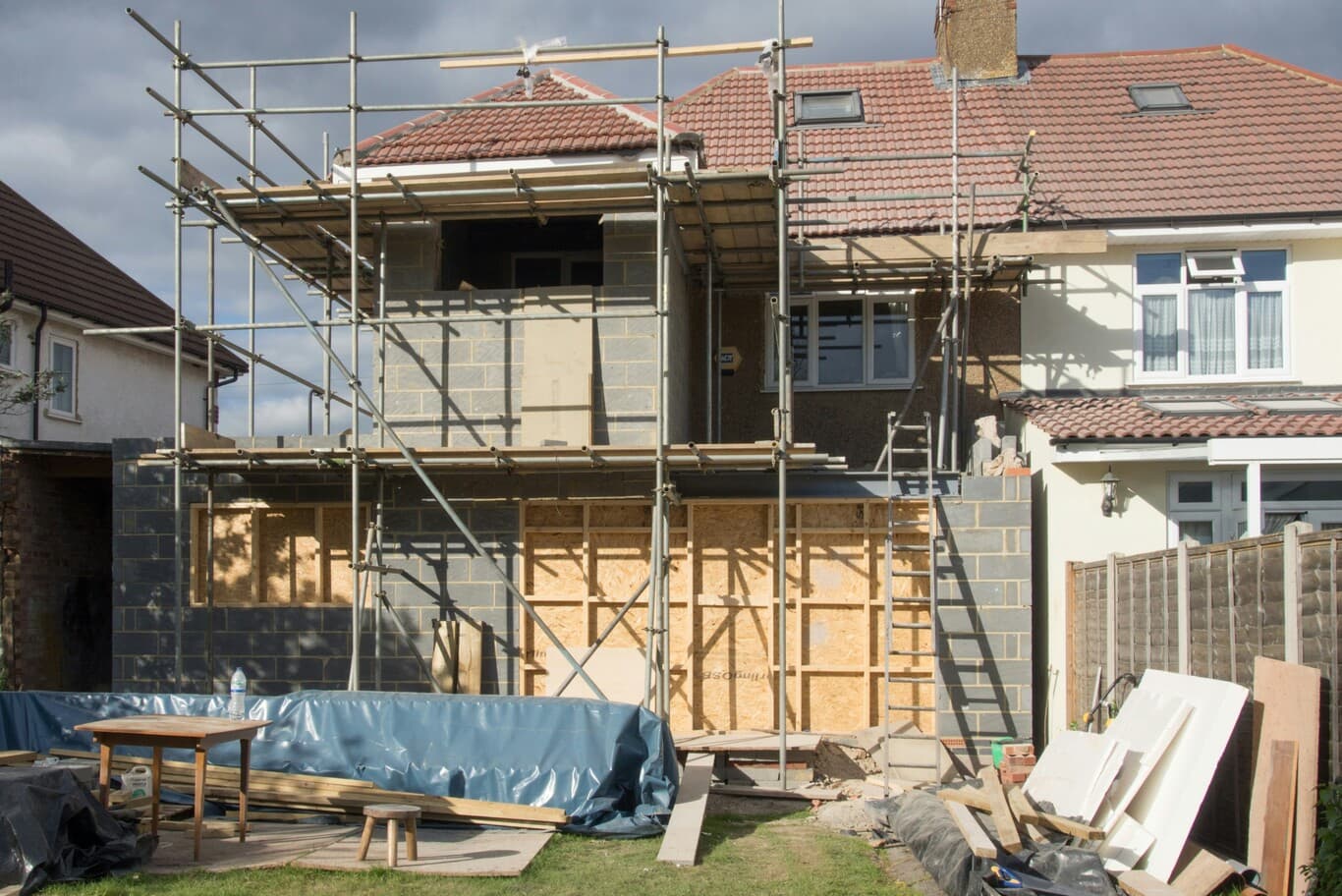
How to Choose a Renovation Contractor in Dubai
The renovation contractor market in Dubai is crowded, and the gap between the most and least capable practitioners is wide. Several indicators reliably distinguish contractors with genuine track records from those operating at the lower end of the market.
DM licensing is the baseline — only Dubai Municipality-licensed contractors can submit for permit approval. Request the licence number and verify it on the DM website independently before appointing. A contractor who proposes to start work without permits, or who suggests that permits are unnecessary for works that clearly require them, represents a compliance and financial risk to the owner.
Community NOC management capability matters as much as construction skill. A contractor who has no prior approved projects in the specific community the owner is working in will face unfamiliar rules, documentation requirements, and approval processes. Emaar's NOC requirements for Arabian Ranches differ from Nakheel's process for Jumeirah Islands, which differs again from Trakhees requirements for Palm Jumeirah. Request specific evidence of completed and NOC-approved projects in the same community — not just the same area — before appointment.
Quotation quality is one of the most reliable quality indicators available before construction starts. A contractor who produces a fully itemised quotation — trade by trade, with quantities, unit rates, and material specifications — is demonstrating that their estimating process is systematic. A contractor who produces a single-line total or a loosely itemised quote with vague scope descriptions is showing you what their project management process looks like. Renovation projects nearly always involve variations; the quality of a contractor's initial quotation predicts how well they will manage variation pricing during construction.
Payment structure matters. Reputable renovation contractors in Dubai structure payments against physical milestones — mobilisation, strip-out and demolition, structural works, MEP first fix, finishes, and completion — rather than requesting large upfront payments. A request for 50% or more of the contract value before work begins is a market signal worth treating carefully.
The guide to identifying trustworthy partners when selecting a contractor in Dubai covers the full evaluation framework, including the specific questions that reveal whether a contractor's claimed experience is genuine.
Capital Associated Building Contracting's renovation and remodelling service covers full villa renovation, apartment renovation, bathroom and kitchen upgrades, and structural modification works across Dubai, Abu Dhabi, and Sharjah, with in-house DM-licensed consultants managing all community NOC, DM permit, and DEWA approval submissions.
Planning Your Renovation Budget: A Practical Sequence
The most effective renovation budgets are built in a specific sequence, not assembled from a single quote.
Start with a professional condition survey of the property before any design decisions are made. The survey identifies MEP issues, structural concerns, and waterproofing failures that will affect scope and cost. Budget AED 2,000 to AED 8,000 for the survey — it is the most valuable investment in the project. The guide to how pre-construction planning saves time and money explains why the preparation phase consistently delivers the highest return of any spend in a construction or renovation programme.
Establish the scope hierarchy: which items are essential, which are value-adding, and which are aspirational. This prevents the most common renovation budgeting failure — a scope that expands during design until it exceeds the available budget, forcing late cuts that compromise the outcome.
Obtain the approval requirements for the specific community and scope before getting quotes. Knowing whether the project requires a DM permit, community NOC, Trakhees clearance, or DEWA load amendment tells you the true project timeline — approval processes are critical path items that most renovation timelines underestimate.
Get three itemised quotes from DM-licensed contractors. Itemised, not total. A total quote tells you nothing about where the money is being spent, what is included, or what is excluded. Comparing itemised quotes allows genuine cost analysis and reveals where different contractors are making different specification or methodology decisions.
For owners who want to reduce their renovation budget without compromising quality, cost-effective strategies in construction and design covers the procurement, material, and specification decisions that deliver the most meaningful savings — from bulk material procurement and modular joinery to phased renovation strategies that spread capital expenditure without compromising the final outcome.
For external works specifically, the guide to landscape design ideas for small garden spaces is useful for villa owners upgrading garden areas within a constrained budget, with practical ideas for maximising outdoor space impact without high material or civil works cost.
Build the contingency into the budget before finalising the scope. A contingency buffer of 10 to 15% is now standard in 2026 Dubai construction contracts based on market experience across hundreds of projects. Projects that do not allocate contingency spend it on surprises; projects that do allocate it frequently return a portion to the owner.
The complete planning and execution guide for villa renovation in Dubai covers the full project sequence from brief to handover in detail, including how to structure the contractor appointment and manage the works programme through to completion.
Frequently Asked Questions
How much does a full villa renovation cost in Dubai in 2026? A full villa renovation in Dubai typically costs between AED 250,000 and AED 5,000,000+ depending on villa size, finish specification, structural scope, and community location. Per square foot, the range is AED 250 to AED 400 for basic renovation, AED 400 to AED 650 for mid-range, and AED 650 to AED 1,200+ for luxury. A 3-bedroom villa of approximately 2,500 sq ft renovated to mid-range specification runs AED 1,000,000 to AED 1,625,000 including approval costs.
How much does apartment renovation cost in Dubai in 2026? Apartment renovation in Dubai runs AED 150 to AED 300 per sq ft for a basic refresh, AED 300 to AED 600 for mid-range, and AED 600 to AED 1,000+ for luxury specification. A 1,200 sq ft two-bedroom apartment renovated to mid-range standard runs AED 360,000 to AED 720,000. Apartments cost more per square foot than villas at equivalent specification levels because of building logistics, access restrictions, and working hour limitations.
Do I need a permit for villa renovation in Dubai? Structural changes, wet area relocations, MEP modifications, and façade works require a Dubai Municipality permit and a community NOC before works commence. Cosmetic works — repainting, replacing flooring like-for-like, installing new kitchen joinery in the same position — do not require a DM permit but still require a community NOC in managed communities. Proceeding with permit-required works without approval risks stop-work orders, fines, and forced reinstatement.
How long does villa renovation take in Dubai? A cosmetic villa renovation without structural changes takes 8 to 14 weeks from contract award to practical completion for a 3-bedroom property. A full renovation with structural modifications and complete MEP replacement takes 16 to 28 weeks. Adding community NOC and DM permit approval — which must be obtained before work begins — adds 4 to 14 weeks to the programme depending on the community and the complexity of the approval submission.
What is the renovation ROI in Dubai's villa market? Well-renovated villas in established communities command a 12 to 18% premium over comparable unrenovated stock in the secondary market according to Knight Frank Q1 2026 data. In rental terms, a mid-range renovation in Arabian Ranches or The Meadows typically delivers an annual rental premium of AED 20,000 to AED 50,000 over unrenovated comparable units, returning the renovation investment in 8 to 15 years through yield alone before capital appreciation.
What is the biggest hidden cost in Dubai renovation? The most consistently underestimated costs are: failed waterproofing behind existing tiles (particularly in bathrooms and wet areas of properties more than 10 years old); DEWA load amendment fees when upgrading AC systems, pools, or adding EV charging; community security deposits; and professional fees for design and project management. Allocating a 15 to 20% contingency above the quoted construction cost is the established industry standard for this reason.
Should I renovate or rebuild my villa in Dubai? The decision depends primarily on the structural condition of the existing property and the scope of the changes required. If the structural frame is sound and the changes are primarily cosmetic and MEP, renovation is almost always more cost-effective than demolition and rebuild. If the owner's requirements involve fundamentally changing the footprint, floor plate, or building height, a full rebuild may be warranted. The guide to choosing between renovation and rebuilding your Dubai villa works through the decision criteria in full.
Contact Us
Capital Associated Building Contracting LLC is a licensed renovation contractor in Dubai, delivering full villa renovation, apartment renovation, bathroom and kitchen upgrade, and structural modification works across Dubai, Abu Dhabi, and Sharjah. All renovation projects are managed with in-house DM-licensed consultants handling community NOC, DM permit, and DEWA approval submissions.
Planning a villa or apartment renovation in Dubai? Contact the Capital Associated team for a detailed scope assessment and cost estimate for your property.